


The NFU has called on the UK government to place a precautionary ban on imports of Brazilian poultry and beef if the country does not “demonstrate that it is using antibiotics responsibly”.
The call came after the EU asked Brazil to provide evidence that its products of animal origin are not derived from animals that have been treated with antimicrobials that are reserved for human health, or that have been used for growth promotion or yield improvement.
The NFU noted that Brazil has been given until 3 September to provide this evidence, or the EU will remove its authorisation to export. It added that the use of antibiotics for growth promotion has been banned in the UK and EU since 2006, and that UK farming has voluntarily reduced antibiotic use by 60% since 2014, only using antibiotics when there is a clinical need.
With imports of Brazilian products of animal origin facing limited testing at the UK border, the NFU has stressed that failure to act could “risk eroding public trust in the food sold in Britain”. It would also undermine UK farming’s progress in tackling antimicrobial resistance (AMR), and in turn threaten public health, it argued.
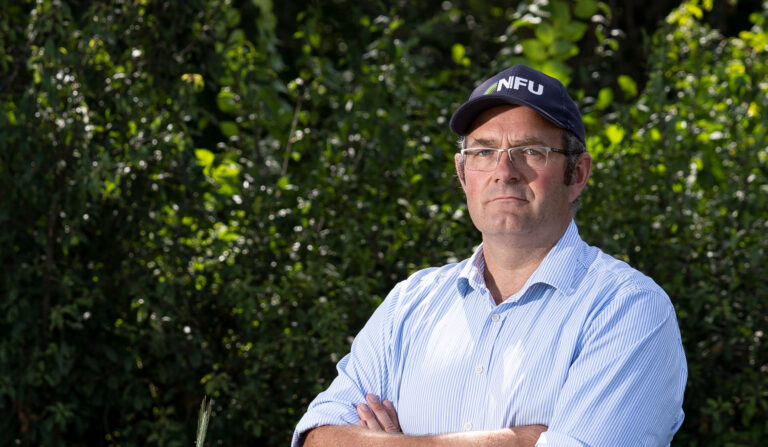
NFU president Tom Bradshaw said: “A key responsibility of government is to ensure that products entering the UK are safe and do not pose a human health risk. Unless there is full confidence that Brazilian meat has been produced responsibly, the government should take the same precautionary approach as the EU and ban the import of Brazilian products.
“It should also increase the frequency of testing for products entering the UK from high and medium-risk countries such as Brazil. If it does not, there are wider reputational risks for the British beef and poultry sectors. Public confidence could be undermined if consumers believe the UK is importing beef or poultry meat that the EU has deemed unsafe.”
Bradshaw added that if an EU ban is implemented without the UK mirroring it, it could lead to a significant influx into the UK of Brazilian beef and poultry imports.
Brazil is the EU’s largest supplier of chicken, exporting 211,000 tonnes to the bloc in 2025. “There is also a real risk that Brazilian beef and poultry originally destined for the EU could be diverted to the UK market, distorting trade and putting additional pressure on domestic producers,” Bradshaw said. “Maintaining trust in British meat must remain a priority and that’s why we advocate for clear country-of-origin labelling, particularly in the foodservice industry.”