


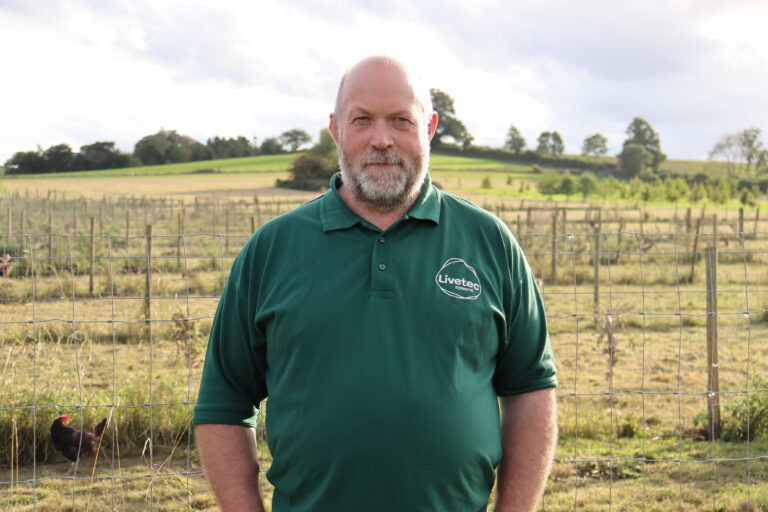
Poultry producers are being urged to use the summer months to strengthen structural biosecurity measures and maintain behavioural protocols.
Dr Paul Talling, biosecurity adviser at Livetec Systems, says this period is a valuable opportunity to tackle practical improvements to poultry buildings that may be harder to complete during winter or when birds are housed.
“The warmer, drier months provide an opportunity to review biosecurity weak points in and around housing, ensure buildings are secure and poultry are protected from direct disease ingress.”
Talling said producers should view summer biosecurity checks and improvements as essential maintenance.
“Proactive practical measures can make a real difference to disease prevention,” he said.
“This may include repairing damaged cladding, ensuring gutters and drainage are working effectively, addressing any water ingress via doors or walls and reviewing barrier systems at shed entry points. Keeping wild birds and vermin away from poultry housing is also essential for disease control.”
Many improvements are not complex or costly but can make a significant difference when disease pressure increases in the autumn.
For example, adapting step-over barriers to make boot changes easier can help reduce shortcuts, such as socked feet touching floors, and limit disease transmission risks at this crucial entry point.
He also reminds producers to ensure staff continue to follow daily biosecurity protocols consistently, particularly around shed entry, PPE changes and shared equipment use.
“The risk of avian influenza is often perceived to be lower in the summer, but recent years have shown us that the disease is unpredictable and can still be circulating,” said Talling.
“That means biosecurity best practice must remain front of mind for farm staff, suppliers, customers and visitors, with no let-up in how people gain entry to poultry units.
“Biosecurity cannot be something that’s switched on and off. Normal standards should be robust enough to keep disease out, and any steps taken now to maintain or improve biosecurity will make a difference when high disease pressure returns,” said Talling.