

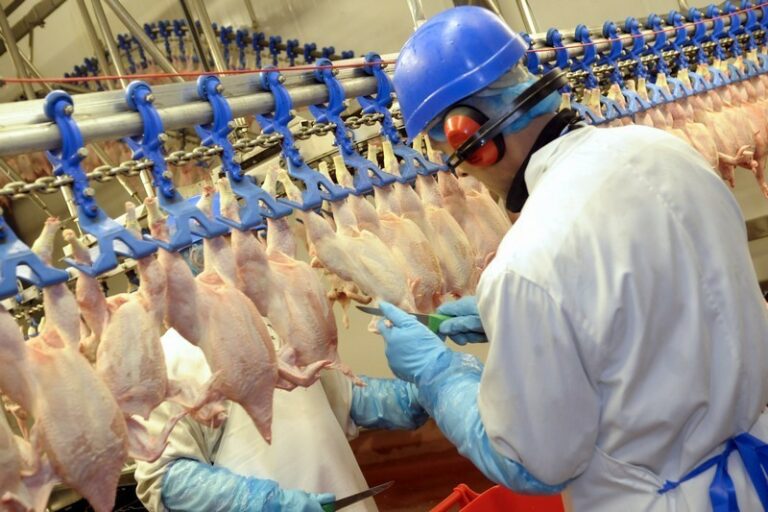
2 Sisters Food Group says its Willand poultry processing plant in Devon is operating after introducing contingency measures to address water supply restrictions.
The company has confirmed to Poultry News that it has activated contingency plans to bring water to the site by road, enabling the plant to operate at the level required for processing.
Late last week, 2 Sisters warned that water supply restrictions imposed by South West Water (SWW) had left the site unable to operate safely, raising concerns over animal welfare and disruption to the poultry supply chain.
A spokesperson previously said: “The proposed restrictions being made on water supplies to our Willand poultry processing site will create a serious and immediate animal welfare risk. Water is essential to every stage of our operation, including those relating to legally required hygiene and food safety procedures.
“We have already reduced our water consumption by almost 30% and below this level we cannot operate the site to the required food safety and animal health and welfare requirements.”
The company said poultry production is a continuous supply chain that “cannot simply be switched off”, warning that prolonged disruption could lead to overcrowding on farms, increased mortality, disease risks and wider impacts across the poultry sector and food supply chain.
A company spokesperson said birds that were already in transit to the plant had been processed, while the immediate welfare concern related to birds remaining on farms because processing had stopped. The spokesperson said some birds were being redirected to other 2 Sisters processing sites where possible, while remaining within animal welfare requirements.
The British Poultry Council (BPC) has called on the Government to intervene, arguing that water for livestock welfare and food production should be prioritised during periods of water scarcity.
Richard Griffiths, chief executive of the BPC, described the situation as “unconscionable”, saying restrictions on water supplies to the Willand plant showed “how little consideration has been given to bird welfare”. He warned that if processing plants are unable to operate, birds remaining on farms could face significant welfare problems and, in some cases, may have to be culled without entering the food chain.
The BPC said it had written to Defra ministers urging them to prioritise water supplies for livestock welfare and food production, similar to the approach taken for carbon dioxide supplies. Griffiths said fewer than 20 processing plants supply more than 90% of the chicken consumed in the UK and warned that disruption at multiple sites could have wider implications for food security.
South West Water previously said it had introduced emergency measures following exceptionally high demand during the recent heatwave and had agreed to increase the flow and pressure of water to the Willand site following a request from 2 Sisters. The water company said its priority was maintaining supplies for household customers, public health, animal welfare and then businesses.