
Poultry News
  • Production
    • Broiler Production
    • Ducks
    • Egg Production
    • Game
    • Hatching
    • Housing
    • Turkeys
  • Processing
  • Business & Politics
    • Business
    • Economics
    • EU & Politics
    • Marketing
    • People
    • Training & Education
  • Welfare
    • Environment
    • Food Safety
    • Vet & Medication
    • Welfare
  • Feed
  • Genetics
  • New Products
  • Magazines
    • February 2026
    • January 2026
    • December 2025
    • November 2025
    • October 2025
    • September 2025
    • 2025 Buildings supplement
    • August 2025
    • 2025 Poultry Health supplement
    • July 2025
    • 2025 National Egg and Poultry Awards finalists supplement
    • June 2025
    • 2025 Innovation supplement
    • May 2025
    • April 2025
    • March 2025
    • 2025 Feed and Nutrition supplement
    • February 2025
    • January 2025
    • December 2024
    • November 2024
    • October 2024
    • September 2024
    • 2024 Building for the Future supplement
    • August 2024
    • 2024 Poultry Health supplement
    • July 2024
    • 2024 National Egg and Poultry Awards finalists supplement
    • June 2024
    • 2024 Innovation supplement
    • Pig & Poultry Fair 2024
    • May 2024
    • April 2024
    • March 2024
    • February 2024
    • January 2024
    • December 2023
    • November 2023
    • Processing Equipment Supplement – Nov 2023
    • October 2023
    • Building Supplement – Sept 2023
    • September 2023
  • Jobs
    • Browse Jobs
    • Post a Job
    • Manage Jobs
  • Events
    • National Egg and Poultry Awards
    • Poultry Fair
    • Webinars
Twitter LinkedIn
  • FREE Email Newsletters
  • About Us
  • Advertise
  • Subscribe
  • Contact Us
Twitter LinkedIn
Podcast
Poultry News
  • Production
    • Broiler Production
    • Ducks
    • Egg Production
    • Game
    • Hatching
    • Housing
    • Turkeys
  • Processing
  • Business & Politics
    • Business
    • Economics
    • EU & Politics
    • Marketing
    • People
    • Training & Education
  • Welfare
    • Environment
    • Food Safety
    • Vet & Medication
    • Welfare
  • Feed
  • Genetics
  • New Products
  • Magazines
    1. February 2026
    2. January 2026
    3. December 2025
    4. November 2025
    5. October 2025
    6. September 2025
    7. 2025 Buildings supplement
    8. August 2025
    9. 2025 Poultry Health supplement
    10. July 2025
    11. 2025 National Egg and Poultry Awards finalists supplement
    12. June 2025
    13. 2025 Innovation supplement
    14. May 2025
    15. April 2025
    16. March 2025
    17. 2025 Feed and Nutrition supplement
    18. February 2025
    19. January 2025
    20. December 2024
    21. November 2024
    22. October 2024
    23. September 2024
    24. 2024 Building for the Future supplement
    25. August 2024
    26. 2024 Poultry Health supplement
    27. July 2024
    28. 2024 National Egg and Poultry Awards finalists supplement
    29. June 2024
    30. 2024 Innovation supplement
    31. Pig & Poultry Fair 2024
    32. May 2024
    33. April 2024
    34. March 2024
    35. February 2024
    36. January 2024
    37. December 2023
    38. November 2023
    39. Processing Equipment Supplement – Nov 2023
    40. October 2023
    41. Building Supplement – Sept 2023
    42. September 2023
    Featured

    Poultry Business – February 2026 issue out now

    By Chloe RyanFebruary 11, 2026
    Recent

    Poultry Business – February 2026 issue out now

    February 11, 2026

    Poultry Business – January 2026 issue out now

    January 13, 2026

    Poultry Business – December 2025 issue out now

    December 8, 2025
  • Jobs
    • Browse Jobs
    • Post a Job
    • Manage Jobs
  • Events
    • National Egg and Poultry Awards
    • Poultry Fair
    • Webinars
Twitter LinkedIn
Poultry News
Feed & Nutrition

New wheat strain could strengthen broilers’ legs

Chloe RyanBy Chloe RyanApril 24, 20174 Mins Read
Facebook Twitter LinkedIn Email
Share
Facebook Twitter LinkedIn Email

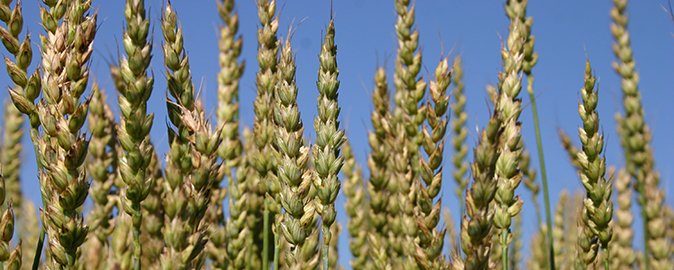
A study at Nottingham Trent University shows that specially-bred wheat could help provide some of the key nutrients essential for healthy bones in poultry, reducing the need to supplement the feed.  The wheat was originally identified and has been further characterised by Aarhus University.
 
Scientists from the Department of Molecular Biology and Genetics at Aarhus University, who made the initial identification of the high-phytase wheat, have shown that wheat can be bred naturally to produce high levels of phytase – an enzyme needed to release phosphorous, which the bird requires to grow a healthy skeleton. 
 
The wheat was tested on poultry in feed trials carried out at Nottingham Trent University’s Poultry Research Unit. 
 
The poultry industry has been very successful in improving bird productivity, with growth rates increasing threefold over the last 50 years. In order to ensure that bird welfare is not compromised, however, particular attention has to be focused on ensuring that a healthy, well-developed skeletal frame is produced.
 
Nutritionists have tackled this issue through supplements, to ensure the correct mineral balance in the diet. A key component is phosphorous, a mineral found in plant tissues, grains and oil seeds and which is vital for skeletal growth and maintenance. 
 
However, not only is phosphorous supplementation very expensive but also the phosphorous, from plant sources, present in the feed of poultry and pigs has a very low bio-availability, being bound up in a plant substance called phytate. 
 
Phosphorous bound in phytate can not be utilised by these monogastric animals because they have negligible amounts of the phytase enzyme in their gastrointestinal tract – which is needed to make the phosphorous from phytate bioavailable. 
 
This anti-nutritional effect of phytate is estimated to cost animal producers up to £1.3bn a year. In addition to this, phytate-bound phosphorous which is excreted can have negative impact on the environment, such as via eutrophication. For the latest work, published in the journal Animal: An International Journal of Animal Bioscience, plant-breeding scientists from Aarhus University used their expertise to make it simple and efficient to breed wheat with naturally high levels of phytase. 
 
Scientists in Nottingham Trent University’s poultry nutrition research team then designed and carried out a poultry nutrition trial to compare this new source of phytase to traditional poultry diet formulations. The trial shows that inclusion of the high phytase wheat in the feed is a highly effective way to unlock the phosphorous in the diet for use by the animal.
 
”Aiming for high phytase activity in wheat grains has been a key research target for many years,” said Dr Henrik Brinch-Pedersen, Group leader at Aarhus University’s Department of Molecular Biology and Genetics.
 
He said: ”Reaching it was a milestone, but seeing that it works well in animal feeding is extremely satisfactory. A particularly exciting additional implication of this work may actually be for humans. 700 million people globally suffer anaemia partly caused by the high phytate content of their diet. Providing a variety of wheat that contains its own phytate-destruction enzyme could improve the population health of many nations.”
 
Dr Emily Burton, Head of the Poultry Research Unit in Nottingham Trent University’s School of Animal, Rural and Environmental Sciences, added: ”It has been exciting to explore a completely different way of providing meat chickens with the phosphorous needed for healthy bones. 
 
”We will be looking to explore further the possibilities of wheat-derived phytase, as emerging research in this field shows the anti-nutritional effects of phytate in poultry extends far beyond locking away phosphorous. 
 
Steve Wilson, Monogastric Nutritionist at the animal feed producers ForFarmers, said: ”Wheat is the predominant ingredient used in poultry diets and over 50% of all the wheat grown in the EU is used in the manufacture of animal feeds. If the naturally occurring level of phytase in this major cereal can be increased then it can make a significant economic contribution to our aim to improve the efficiency and sustainability of future feed production.”

Share. Facebook Twitter LinkedIn Email
Previous ArticleAviagen’s plans to extend Wrexham farm expected to be approved today
Next Article Technical director retires from Aviagen after 47-year poultry career
Chloe Ryan

Editor of Poultry Business, Chloe has spent the past decade writing about the food industry from farming, through manufacturing, retail and foodservice. When not working, dog walking and reading biographies are her favourite hobbies.

Read Similar Stories

News

Sector resilience in focus at NFU conference poultry session

February 27, 20263 Mins Read
Genetics

Aviagen’s Rustic Rowan breed accepted by RSPCA Assured

February 19, 20261 Min Read
News

International Poultry Welfare Alliance and International Egg Foundation Sign partnership

February 4, 20262 Mins Read
Latest News

Sector resilience in focus at NFU conference poultry session

February 27, 2026

AIMS calls for immediate reform of UK–EU SPS system

February 26, 2026

EU poultry sector calls for precautionary suspension of imports from China

February 25, 2026
Sponsored Content

Stay one step ahead of outbreaks

December 3, 2025

Can Aviance improve production and shell quality in full laying cycle?

October 1, 2025
© 2024 MA Agriculture Ltd, a Mark Allen Group company

Privacy Policy | Cookies Policy | Terms & Conditions

  • Farmers Weekly
  • AA Farmer
  • Farm Contractor
  • Pig World

Type above and press Enter to search. Press Esc to cancel.