


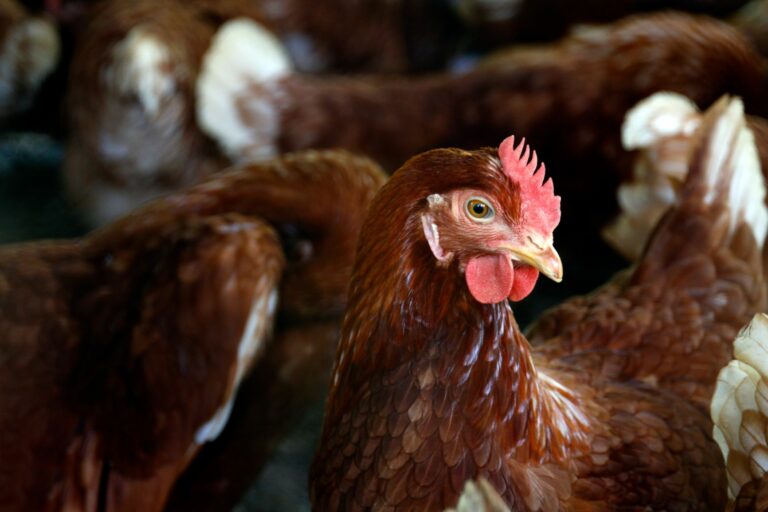
The Animal Welfare Committee (AWC) has called for improved staff training, closer co-operation between pullet rearers and egg producers, and a review of barn housing systems as the UK’s enriched cage egg production declines.
In its opinion on laying hen welfare, the committee says that non-cage systems offer greater opportunities for natural behaviour but bring other challenges including keel bone fractures, injuries and injurious pecking.
It recommends that existing and newer barn systems are reassessed using validated welfare outcome measures, ahead of an anticipated increase in barn production if cage production is banned.
The AWC says “any movement away from caged systems needs to be thoughtfully managed and supported”.
It also calls for comprehensive theoretical and practical training for staff responsible for hens, with regular assessments of their competence.
Closer co-operation between pullet rearers and laying hen producers is recommended to ensure birds are prepared for their laying environment, including experience of ramps, perches and multi-tier housing where appropriate.
Other recommendations include encouraging natural light, improving multi-tier system design to reduce injuries, and incentivising biosecure verandas through government grants.
The committee also highlights the need for free-range producers to have contingency plans for statutory housing orders during periods of heightened avian influenza risk, including measures to maintain air quality and provide suitable indoor enrichment.
The opinion warns that UK producers could face competitive pressure if domestic cage production is banned while eggs and egg products from cage systems remain available on the UK market.