


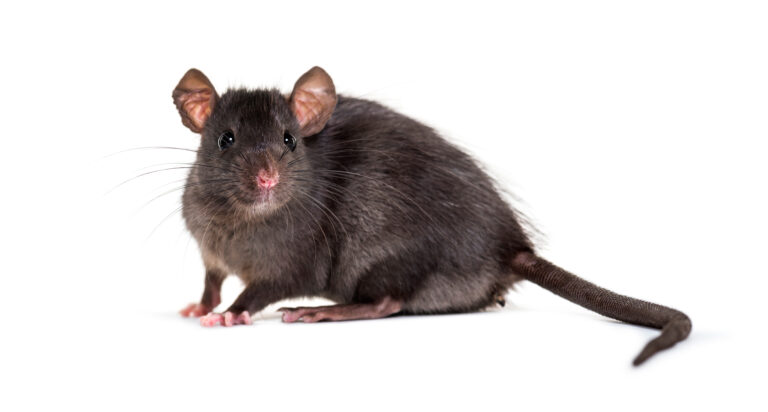
Farmers are being urged to watch for rodents moving into farm buildings earlier than usual as drought conditions and an early harvest reduce food, water and cover.
Ross Goodman, technical and key accounts director at Lodi, says the earlier harvest and prolonged period of drought will displace rodents from established habitats and drive them towards farmyards and buildings in search of food and water.
“Vegetation is very dry and combined with crops coming in earlier there is less food and cover available to rodents which will push them elsewhere,” he said.
Goodman said this reflects a wider shift towards rodent pressure becoming less predictable with extreme weather making traditional seasonal patterns increasingly unreliable.
“Farmers can no longer rely on the typical four seasons to predict when rodent pressure will begin,” he said.
“Measures need to be in place now to identify rodent activity before populations become established.”
Farmers should look for early warning signs including droppings, smear marks, runs and gnawing, while monitoring products can be used to build a clearer picture of rodent activity.
“Once you find evidence of rodents, that is the point to assess the scale of the problem and decide on the most appropriate control,” said Goodman.
Treatment should follow Think Wildlife best practice, starting with the least toxic effective option and taking the scale of the infestation into account.
Traps may be suitable for lower-level activity, while second-generation anticoagulants such as bromadiolone or difenacoum can be considered where rodenticides are needed and resistance is not known to be an issue.
Where resistance is known or suspected, Goodman sayid a brodifacoum-based product, such as Sapphire, may be more appropriate.
Alternatively, a non-anticoagulant containing cholecalciferol can provide a different mode of action.
Some products, such as Harmonix Rodent Paste (cholecalciferol), are approved for use in areas including burrows and open spaces.
“The key is to use the right product for the right application,” added Goodman.
“Assess the size of the infestation, where rodents are active and make sure bait can be used safely and securely.