


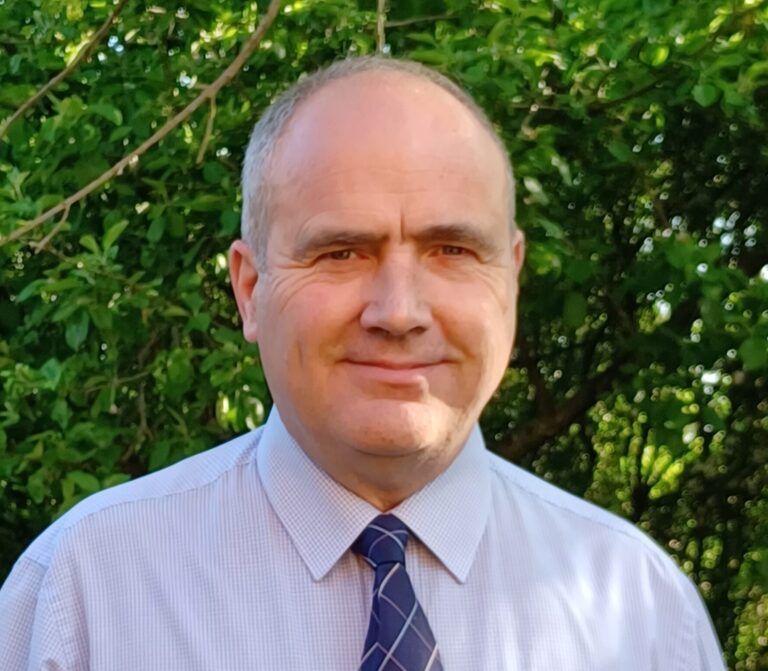
By Gary Ford, head of policy and producer engagement, BFREPA
I find myself obsessing about the ongoing heat wave and accompanying drought. I recently wrote about the important role that poultry shed roofs could play in capturing significant amounts of winter rainfall for utilisation – including for sale – in the summer months. I now find myself fighting a losing battle involving water trying to save a stretch of hedge that we planted earlier this year. Not the longest of hedges but at just over 160 metres a reasonable length particularly when it comes to watering and attempting to keep it alive.
The material – saplings, guards and stakes – were provided by the Woodand Trust at an appreciable discount – for which I am grateful. If however I properly costed my time in terms of planting and managing the hedge then I have ended up paying the majority share by far. It is my view that instead of being subsidised the saplings and associated material should be free of charge with the farmer’s contribution being the planting and post planting care.
If I am honest I think I have around 25% of the hedge still alive. Driving extensively around the country and looking at the copious amount of roadside planting – where the survival rate strikes me as being around 10% – I believe that I have done a reasonable job even though I don’t feel great about it. In the hot and dry weather the heavy clays in Worcestershire have cracked wide open for a second consecutive year and when I consider what we have gone through, three heat waves, I begin to think that perhaps I have done as good a job as I could have done. Nonetheless, if this is the weather is the norm going forward, the approach that my father’s generation took in the 1970s and 80s of just healing in and leaving the young hedge to its own devices is not an option now.
At a time when we are being asked to plant more natural cover on the range – with 20% being the norm for most producers – this matters.
The charitable sectors funding model needs to reflect the climatic challenges, with hedges and trees provided free of charge as the farmer’s contribution is significantly more when all is considered.