


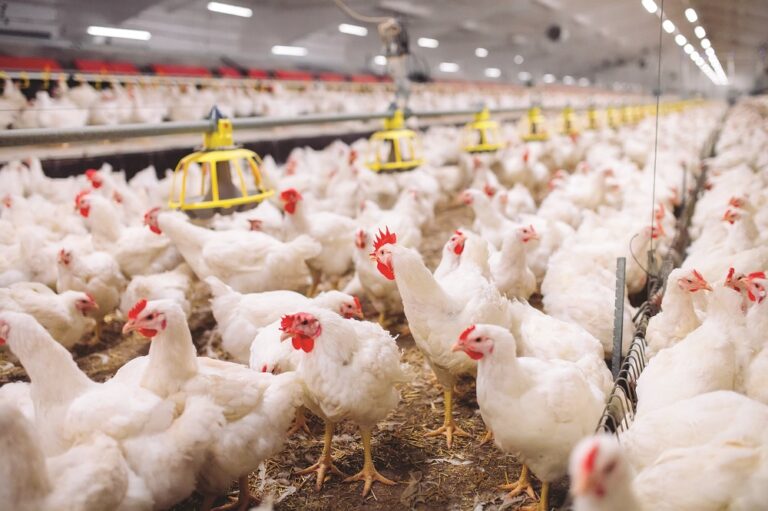
Northern Ireland’s planning system is being accused of holding back egg and poultry meat production at a time of potential growth. By Michael Barker
It’s fair to say that Northern Ireland punches above its weight when it comes to poultry production.
Despite its small size, the country produces an impressive 20% of all eggs consumed or processed in the UK, and around a sixth of its chicken. So when a leading political figure in the country says the sector is being severely held back by the legislative environment, it’s worth sitting up and paying attention.
That’s what happened in late April when DUP agriculture spokesperson Carla Lockhart claimed persistent planning delays were preventing the Northern Irish egg sector from reaching its full potential at a time of burgeoning consumer interest, and her views appear to have resonated with producers. Lockhart made her comments in reference to a recent BEIS Breakfast Smarter study that indicated egg consumption had increased by 27% over the past two decades, with approximately 39.6m eggs consumed daily across the UK.
“Earlier this year I highlighted that local farmers are being left in planning purgatory by Shared Environmental Services (SES) as a direct result of its failure to engage in a timely, transparent or constructive manner,” she said. “Long delays and a lack of co-operation continue to inflict financial burdens and mental pressure on farmers across the province.”
SES, set up in 2015, was intended to streamline environmental planning following the transfer of powers to local councils, but Lockhart argued that the body has instead become a major obstacle. “SES is a bureaucratic choke point, stifling farm development and investment through excessive delays, unnecessary duplication and ever-shifting goal posts,” she said. “Farmers are being held to ransom. Farm businesses are prevented from expanding, modernising or improving – not because they have failed to meet regulations, but because SES isn’t responding in a timely and efficient manner. There is no transparency, no accountability and no justification for these delays.”
Lockhart also claimed the creation of SES has duplicated work previously carried out by the Northern Ireland Environment Agency (NIEA). “If we are serious about supporting local food production, rural livelihoods and economic growth, then urgent reform of SES and the wider planning system is essential,” she said.
The Ulster Farmers’ Union (UFU) backed Lockhart’s view, but stressed the issue is bigger than just eggs. “The UFU agrees that the NI planning system is preventing further development and is causing a lack of floor space within the industry,” says UFU poultry chair Jonny Tuft. “However, we want to put emphasis on the fact that it isn’t just the egg sector which is growing in demand and suffering the consequences of the planning system. The broiler sector is growing in demand whilst being underreported within the media, however due to draconian planning limitations there are significant limits to how much the sector can grow, including being unable to make changes to existing buildings for replacement or betterment.”
As a result, Tuft says, many farmers have moved over from broiler production to eggs. “Both sectors are under increased pressure to produce more eggs and meat but are unable to make the changes necessary to meet demand,” he adds. “There is drive and passion within the industry to grow and develop, and if changes can be made to the planning system, the poultry sector as a whole will continue to thrive, however time is running out to ensure that farmers are willing to continue.”
Underlining the UFU’s point about the potential of both the egg and poultry meat sectors, according to the latest agricultural census data in Northern Ireland, total poultry numbers on farms in June 2025 were up by 9% from 2024 levels, with 25.8 million birds recorded. The total number of laying birds saw an increase of 18 per cent, but broiler numbers only increased by 1% compared to June 2024.
Across the UK, producers of many agricultural products have expressed frustration at both national and devolved governments over what they see as unhelpful planning environments, and continue to stress that there need to be changes if the nation is to improve its self-sufficiency in food.