


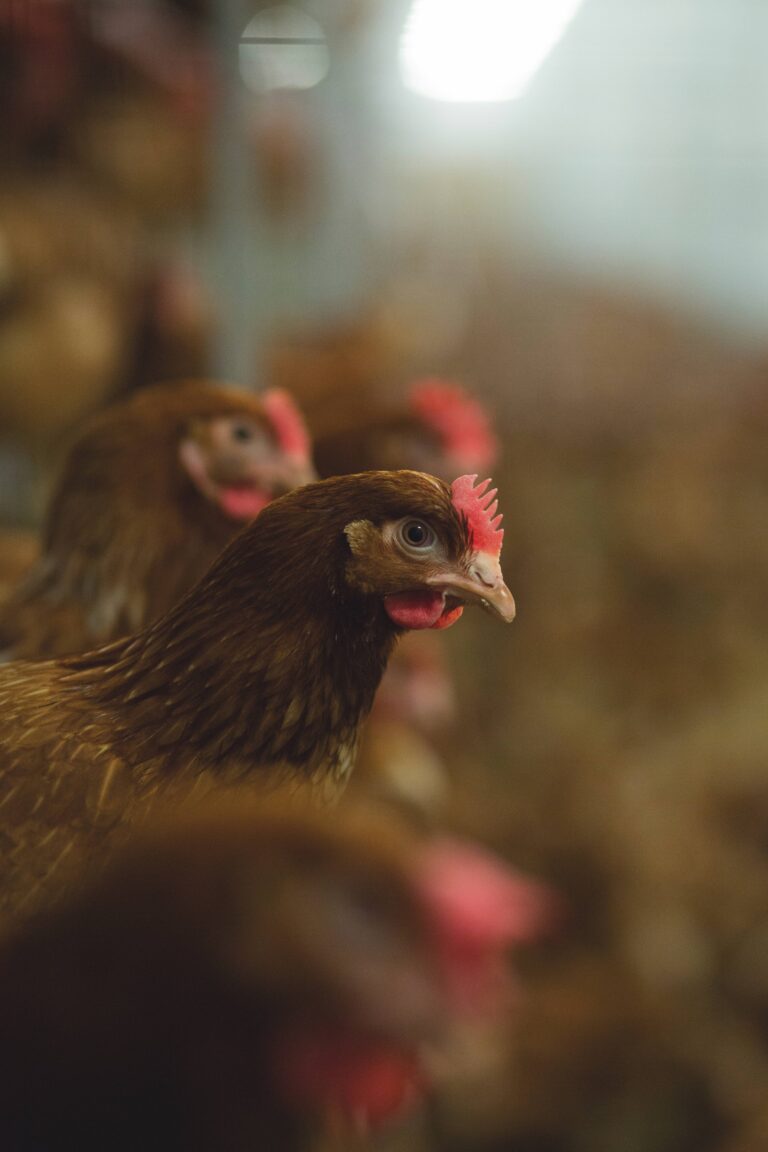
A combination of factors is making life complicated for egg producers as production costs rise and pullet availability tightens, writes Michael Barker
Cost increases are a growing headache for egg producers, and despite the hope that a breakthrough in Middle East conflict negotiations could bring respite, the situation looks set to be complicated for some time yet.
Both the British Free Range Egg Producers Association (BFREPA) and British Egg Products Association (BEPA) have issued warnings over the past month about the pressures being faced by their sectors as costs continue to rise.
BFREPA, speaking in April, noted that industry insiders have intimated that pullet prices could hit £6.50 per bird if chick prices rise by 30p as expected. Vaccinations would add additional costs onto that price.
Importantly, while the issue might have had its origins in the rising cost of production, BFREPA pointed out that it has now become mainly about market forces and opportunity, with breeders able to place birds into alternative systems – including barn production – that presently offer better returns.
“Some warn that by failing to improve returns for breeder flocks and pullet production, the industry is effectively encouraging further movement away from free-range pullet supply,” BREPA said.
There is concern that switching into broiler production is becoming an increasingly realistic option if returns continue to lag behind other sectors, which in turn could put greater pressure on already limited pullet availability. Some producers have reported that they are unable to secure birds until late 2027, and in some cases into 2028 – and many rearers are warning that existing orders booked over the next couple of years may require additional surcharges if market conditions continue to tighten further. These have been compared to the kind of fuel surcharges previously added by haulage companies during periods of exceptional volatility.
So what’s the solution? For one thing, rearers have called for prices to be adjusted to reflect the reality of current market conditions. BFREPA costings indicate that a 50p per bird surcharge on a 32,000-bird unit would add around £16,000 to the cost of a flock, bringing an unwelcome financial impact on producers even at a time of better egg prices in the market. That, in turn, raises questions of whether investment and expansion within the sector will be put on hold as margins tighten.
“Hatcheries and rearers argue that stronger returns throughout the supply chain will now be needed if long-term pullet availability is to improve,” BFREPA said.
The situation adds to an uneasy mood around the sector, which in itself is frustrating given that egg prices have improved over the past year and producers were reporting more sustainable returns.
For the British Egg Products Association, the ongoing situation in Iran has heaped pressure on manufacturers, foodservice operators and retailers alike, with the industry body reporting heavy cost increases across energy, fuel and packaging. Availability of raw material is also proving complicated.
As processing egg products is an energy-intensive activity, the disruption to the global energy markets has hit the cost of pasteurisation, drying and refrigeration. Packaging has also been affected by inflation in the petrochemical supply chain.
BEPA chair Elwyn Griffiths said: “The conflict in Iran is having a clear and immediate impact on our members’ cost base. Energy, fuel and packaging are all seeing significant inflation, and these are not optional inputs, they are fundamental to producing safe, high-quality egg products. Our members have worked hard to absorb as much of this pressure as possible, but the scale of these increases is becoming unsustainable.”
BEPA is calling for continued dialogue across the supply chain to ensure stability and transparency, and for the government to recognise the cumulative impact of global conflicts on UK food production. “Egg products are essential ingredients for thousands of food manufacturers and caterers,” Griffiths added. “We need a coordinated approach to maintain resilience and protect the long-term viability of the sector.”
The latest Defra Farm Income figures, published in June and covering 2025, suggest a well-performing poultry sector, but as NFU president Tom Bradshaw warns, the conflict in the Middle East has brought huge volatility to UK agriculture. Farmers’ margins have been eroded and the job of food production is much more difficult as a result.