
Poultry News
  • Production
    • Broiler Production
    • Ducks
    • Egg Production
    • Game
    • Hatching
    • Housing
    • Turkeys
  • Processing
  • Business & Politics
    • Business
    • Economics
    • EU & Politics
    • Marketing
    • People
    • Training & Education
  • Welfare
    • Environment
    • Food Safety
    • Vet & Medication
    • Welfare
  • Feed
  • Genetics
  • New Products
  • Magazines
    • July 2026
    • 2026 National Egg and Poultry Awards finalists supplement
    • June 2026
    • 2026 Innovation Supplement
    • 2026 British Pig & Poultry Fair guide
    • May 2026
    • March 2026
    • 2026 Feed & Nutrition supplement
    • February 2026
    • January 2026
    • December 2025
    • November 2025
    • October 2025
    • September 2025
    • 2025 Buildings supplement
    • August 2025
    • 2025 Poultry Health supplement
    • July 2025
    • 2025 National Egg and Poultry Awards finalists supplement
    • June 2025
    • 2025 Innovation supplement
    • May 2025
    • April 2025
    • March 2025
    • 2025 Feed and Nutrition supplement
    • February 2025
    • January 2025
    • December 2024
    • November 2024
    • October 2024
    • September 2024
    • 2024 Building for the Future supplement
    • August 2024
    • 2024 Poultry Health supplement
    • July 2024
    • 2024 National Egg and Poultry Awards finalists supplement
    • June 2024
    • 2024 Innovation supplement
    • Pig & Poultry Fair 2024
    • May 2024
    • April 2024
    • March 2024
    • February 2024
    • January 2024
    • December 2023
    • November 2023
    • Processing Equipment Supplement – Nov 2023
    • October 2023
    • Building Supplement – Sept 2023
    • September 2023
  • Jobs
    • Browse Jobs
    • Post a Job
    • Manage Jobs
  • Events
    • National Egg and Poultry Awards
    • Poultry Fair
    • Webinars
Twitter LinkedIn
  • FREE Email Newsletters
  • About Us
  • Advertise
  • Subscribe
  • Contact Us
Twitter LinkedIn
Podcast
Poultry News
  • Production
    • Broiler Production
    • Ducks
    • Egg Production
    • Game
    • Hatching
    • Housing
    • Turkeys
  • Processing
  • Business & Politics
    • Business
    • Economics
    • EU & Politics
    • Marketing
    • People
    • Training & Education
  • Welfare
    • Environment
    • Food Safety
    • Vet & Medication
    • Welfare
  • Feed
  • Genetics
  • New Products
  • Magazines
    1. July 2026
    2. 2026 National Egg and Poultry Awards finalists supplement
    3. June 2026
    4. 2026 Innovation Supplement
    5. 2026 British Pig & Poultry Fair guide
    6. May 2026
    7. March 2026
    8. 2026 Feed & Nutrition supplement
    9. February 2026
    10. January 2026
    11. December 2025
    12. November 2025
    13. October 2025
    14. September 2025
    15. 2025 Buildings supplement
    16. August 2025
    17. 2025 Poultry Health supplement
    18. July 2025
    19. 2025 National Egg and Poultry Awards finalists supplement
    20. June 2025
    21. 2025 Innovation supplement
    22. May 2025
    23. April 2025
    24. March 2025
    25. 2025 Feed and Nutrition supplement
    26. February 2025
    27. January 2025
    28. December 2024
    29. November 2024
    30. October 2024
    31. September 2024
    32. 2024 Building for the Future supplement
    33. August 2024
    34. 2024 Poultry Health supplement
    35. July 2024
    36. 2024 National Egg and Poultry Awards finalists supplement
    37. June 2024
    38. 2024 Innovation supplement
    39. Pig & Poultry Fair 2024
    40. May 2024
    41. April 2024
    42. March 2024
    43. February 2024
    44. January 2024
    45. December 2023
    46. November 2023
    47. Processing Equipment Supplement – Nov 2023
    48. October 2023
    49. Building Supplement – Sept 2023
    50. September 2023
    Featured

    Poultry Business – July 2026 issue out now

    By Chloe RyanJuly 2, 2026
    Recent

    Poultry Business – July 2026 issue out now

    July 2, 2026

    2026 National Egg and Poultry Awards finalists supplement out now

    July 2, 2026

    Poultry Business – June 2026 issue out now

    June 8, 2026
  • Jobs
    • Browse Jobs
    • Post a Job
    • Manage Jobs
  • Events
    • National Egg and Poultry Awards
    • Poultry Fair
    • Webinars
Twitter LinkedIn
Poultry News
Sponsored Content

Summer: Is this the best time to review and make improvements to your farm biosecurity?

Livetec SystemsBy Livetec SystemsAugust 1, 20263 Mins Read
Facebook Twitter LinkedIn Email
Share
Facebook Twitter LinkedIn Email
Sponsored Post

With respect to avian influenza (AI) the statistics still maintain that the summertime is the lowest risk period for disease outbreaks. Indeed, this summer is looking particularly low risk as the last outbreaks were in mid-April and since then there has only been a handful of infected dead wild birds collected.

Despite the apparent low risk, farmers should not see this summer as a time to switch off or relax their biosecurity. Moreover, this period should be utilised as a valuable opportunity to review and if necessary, strengthen both physical and behavioural biosecurity before disease pressure inevitably rises again in the autumn.

For Dr Paul Talling and Amy Davies, Livetec’s Biosecurity Advisors, the message is clear: Review, renovate and/or renew now. The same steps taken in the autumn will likely bring much greater risks.
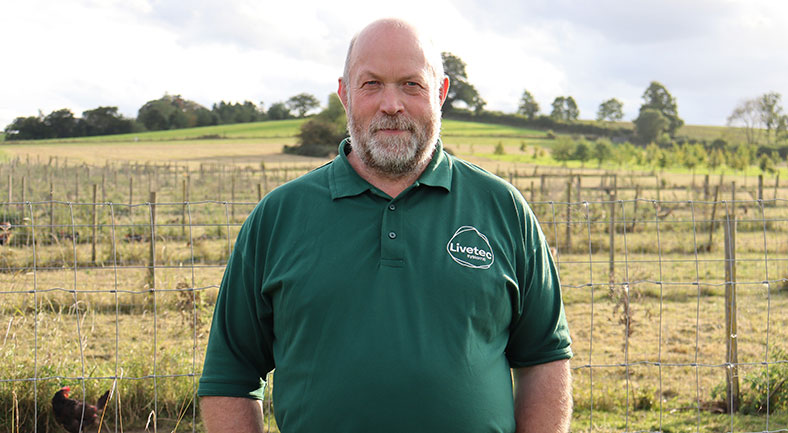
Dr Paul Talling

“Biosecurity is an investment,” says Paul. “Now is the time to be investing and it’s not necessarily about money. It’s only about investing time and making sure things are working as they should.”

Plenty of daylight hours, generally drier weather and good conditions underfoot will make it easier to carry out maintenance and address physical issues that could become significant problems later in the year. The lower disease risk also means it is a safer time to bring in contractors or extra staff without exposing your birds to the risk of increased visitor numbers and extra on-site movements.

As described summer is a good time to determine whether your current biosecurity measures are still effective?  Ask these questions:

  • Are there opportunities for wild birds and rodents to get into your buildings?
  • Can any dirty water from outside get in?
  • Can all staff and visitors enter the buildings bio-securely?
  • Do we know what to do if bird flu hits?

These are not simply compliance checks. They are opportunities to significantly reduce risk before it becomes a threat.

As stated, many of the most effective improvements require little more than time and attention. Cutting back vegetation and generally tidying up around poultry houses, clearing gutters and drains, repairing damaged surfaces and fixing potholes all help create a safer, more controlled environment.

Vermin activity should be taken seriously. “This (summer) should be a low-risk time of year for vermin,” says Paul. “If you’ve got vermin issues now, you’ve got a problem. Sort them out.”

Additionally, reducing harbourage, clearing vegetation, promptly clearing up any spilt feed from around the buildings, and reproofing where necessary, will all help prevent vermin problems getting worse or developing before the higher risk months arrive.

Water ingress can be easier to see in the summer when short, heavy showers can expose entry points. Typically, doorways and the joints between the floor slabs and walls can often be found wanting.

“If there’s evidence of water where it shouldn’t be during the summer, you’ve probably found an issue that needs fixing,” says Paul.

Pedestrian entries into buildings should be clean and dry at this time of year. If there is evidence of dirt, muck and feathers between biosecurity barriers this should be investigated and the question asked. Why? If debris can move over or through these barriers so can a virus.

As well as maintaining the physical environment it is very important to refresh a workforces’ understanding of behavioural biosecurity, i.e. their role in making biosecurity work. Pleasant weather can provide valuable opportunities to bring teams together, review and discuss procedures and reinforce the everyday behaviours that protect the flock.

“We often think of training as sitting in a classroom or staring at a screen,” says Amy. “But it doesn’t have to be. We often conduct “training” by simply walking around a farm and encouraging staff and managers to comment on their own biosecurity.”
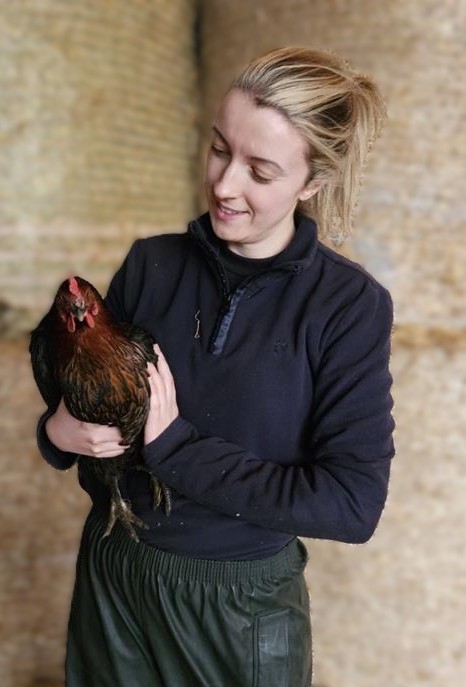
Amy Davies

Amy adds “My role is often just to start the conversation. Ensuing open discussions invariably highlight issues that may have been missed. This methodology gives staff a say in how these issues are rectified and this can help everyone to buy into their own biosecurity culture.

Amy concludes “Experience has shown us that the strongest biosecurity plans are never created during an outbreak. They are always built beforehand, when there is time to assess, design, implement, assess and improve.

Strong biosecurity is built on well prepared and tested protocols, but it also relies on having a clear plan when distinct challenges arise. Livetec’s Contingency Plans help poultry businesses develop practical, robust plans to strengthen resilience and protect their people, birds and business before an outbreak occurs.

Find out more about Livetec’s Contingency Plans and make preparedness part of your biosecurity strategy.


Share. Facebook Twitter LinkedIn Email
Previous ArticleNFU Scotland warns egg market softening as imports and supply rise
Livetec Systems
  • Website

Read Similar Stories

Sponsored Content

Longer laying cycles need longer Salmonella protection

July 1, 20263 Mins Read
Sponsored Content

Take Control of Your Farm’s Biosecurity with Livetec

May 1, 20262 Mins Read
Sponsored Content

Address beta-mannans in broiler diets to optimise bird health and performance

April 1, 20264 Mins Read
Latest News

Summer: Is this the best time to review and make improvements to your farm biosecurity?

August 1, 2026

NFU Scotland warns egg market softening as imports and supply rise

July 31, 2026

2Agriculture confirms Nick Davies’ departure and appoints Alice Swift to senior role

July 30, 2026
Sponsored Content

Summer: Is this the best time to review and make improvements to your farm biosecurity?

August 1, 2026

Longer laying cycles need longer Salmonella protection

July 1, 2026
© 2024 MA Agriculture Ltd, a Mark Allen Group company

Privacy Policy | Cookies Policy | Terms & Conditions

  • Farmers Weekly
  • AA Farmer
  • Farm Contractor
  • Pig World

Type above and press Enter to search. Press Esc to cancel.