


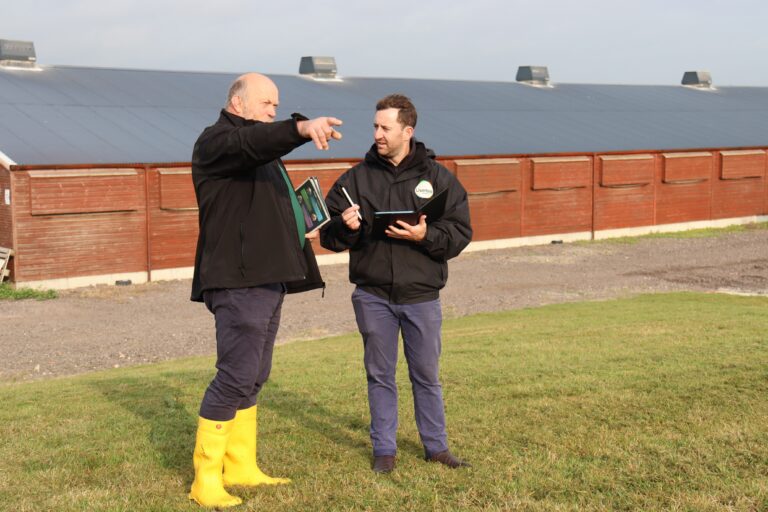
Poultry producers are being urged to maintain robust biosecurity measures during periods of hot and dry weather.
The warning from Livetec follows an early seasonal rise in salmonella cases across breeder, broiler and layer sites. While an increase in cases is normal as summer progresses, Livetec says the early harvest and prolonged hot weather may be contributing to it becoming a problem earlier than usual, given such conditions increase the risk of disease spreading on farms.
While producers are rightly focused on keeping birds cool at this time, Livetec biosecurity adviser Dr Paul Talling warned that the consequences of hot weather extend beyond heat stress. “Birds suffering from heat stress can experience weakened immunity, compromised gut health and exhibit physiological and behavioural changes such as excessive panting and drinking, making them more vulnerable to disease,” he explained.
Additionally, warm conditions allow bacteria and other pathogens – especially salmonella – to multiply more rapidly, significantly increasing the number of infectious organisms present.
Biosecurity priority
Talling stressed that robust and consistent biosecurity remains the first and best line of defence to reduce the risk of birds succumbing to disease. “Where biosecurity is good, producers should not need to change what they’re doing but must be careful if normal routines or infrastructure have to be altered to work around periods of hot weather,” he said.
The dry weather and early harvest, muck spreading and cultivation activity also create challenges by increasing dust levels in the environment and disturbing vermin.
Inside sheds, high temperatures may also lead producers to open catching or emergency doors, or windows, to help cool birds down. But Talling warned that open doors are an invitation for wild birds and rodents to enter and can encourage the uncontrolled movement of people in and out of sheds, which can facilitate disease spread.
“Once a disease has entered a building, human-mediated transfer is often responsible for disease spreading around the farm,” he added. “Where doors have to be opened, staff should maintain biosecurity by using only the entry and exit they normally use.”
Talling advised farms to check that fans, inlets and cooling systems are working effectively before relying on opening doors for additional ventilation.
Drinking water hygiene also requires close attention as biofilm can develop quicker during warm weather. Producers should flush and disinfect lines every few days, particularly when misting or cooling systems are in use.
High temperatures can also make personal protective equipment (PPE) less comfortable, but Talling insisted that staff should continue to wear clean, shed-specific wellies and overalls.