


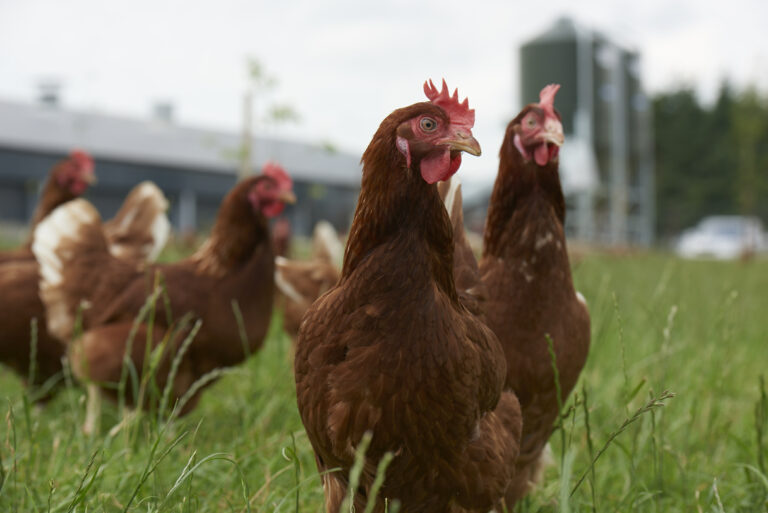
New research from Wageningen University & Research (WUR) has found that vaccination against highly pathogenic avian influenza (HPAI) can significantly reduce virus transmission and lower the likelihood of outbreaks in commercial layer flocks.
The multi-year study, carried out in collaboration with Royal GD and Utrecht University, evaluated HVT-based H5 vaccines under commercial farming conditions. Researchers found that while an infected unvaccinated hen could spread the virus to more than six birds on average, transmission was substantially reduced in vaccinated flocks.
Modelling based on the study suggests vaccination could reduce the probability of an outbreak following virus introduction from around 96% in unvaccinated flocks to between 10% and 30%, depending on the vaccination programme and use of booster doses.
The researchers also reported no adverse effects on flock health, welfare or egg production, supporting the practical use of vaccination alongside existing disease control measures.
However, the study emphasises that vaccination should not replace surveillance. Because vaccinated birds may show fewer clinical signs, active monitoring remains essential for the early detection of infection.
The findings add to growing evidence that vaccination can play an important role in HPAI control strategies, helping to reduce virus spread and improve flock resilience while supporting continuity of egg production.
The research comes as several countries continue to evaluate or expand vaccination programmes as part of their wider avian influenza prevention plans.