

Poultry News
  • Production
    • Broiler Production
    • Ducks
    • Egg Production
    • Game
    • Hatching
    • Housing
    • Turkeys
  • Processing
  • Business & Politics
    • Business
    • Economics
    • EU & Politics
    • Marketing
    • People
    • Training & Education
  • Welfare
    • Environment
    • Food Safety
    • Vet & Medication
    • Welfare
  • Feed
  • Genetics
  • New Products
  • Magazines
    • December 2025
    • November 2025
    • October 2025
    • September 2025
    • 2025 Buildings supplement
    • August 2025
    • 2025 Poultry Health supplement
    • July 2025
    • 2025 National Egg and Poultry Awards finalists supplement
    • June 2025
    • 2025 Innovation supplement
    • May 2025
    • April 2025
    • March 2025
    • 2025 Feed and Nutrition supplement
    • February 2025
    • January 2025
    • December 2024
    • November 2024
    • October 2024
    • September 2024
    • 2024 Building for the Future supplement
    • August 2024
    • 2024 Poultry Health supplement
    • July 2024
    • 2024 National Egg and Poultry Awards finalists supplement
    • June 2024
    • 2024 Innovation supplement
    • Pig & Poultry Fair 2024
    • May 2024
    • April 2024
    • March 2024
    • February 2024
    • January 2024
    • December 2023
    • November 2023
    • Processing Equipment Supplement – Nov 2023
    • October 2023
    • Building Supplement – Sept 2023
    • September 2023
  • Jobs
    • Browse Jobs
    • Post a Job
    • Manage Jobs
  • Events
    • National Egg and Poultry Awards
    • Poultry Fair
    • Webinars
Twitter LinkedIn
  • FREE Email Newsletters
  • About Us
  • Advertise
  • Subscribe
  • Contact Us
Twitter LinkedIn
Podcast
Poultry News
  • Production
    • Broiler Production
    • Ducks
    • Egg Production
    • Game
    • Hatching
    • Housing
    • Turkeys
  • Processing
  • Business & Politics
    • Business
    • Economics
    • EU & Politics
    • Marketing
    • People
    • Training & Education
  • Welfare
    • Environment
    • Food Safety
    • Vet & Medication
    • Welfare
  • Feed
  • Genetics
  • New Products
  • Magazines
    1. December 2025
    2. November 2025
    3. October 2025
    4. September 2025
    5. 2025 Buildings supplement
    6. August 2025
    7. 2025 Poultry Health supplement
    8. July 2025
    9. 2025 National Egg and Poultry Awards finalists supplement
    10. June 2025
    11. 2025 Innovation supplement
    12. May 2025
    13. April 2025
    14. March 2025
    15. 2025 Feed and Nutrition supplement
    16. February 2025
    17. January 2025
    18. December 2024
    19. November 2024
    20. October 2024
    21. September 2024
    22. 2024 Building for the Future supplement
    23. August 2024
    24. 2024 Poultry Health supplement
    25. July 2024
    26. 2024 National Egg and Poultry Awards finalists supplement
    27. June 2024
    28. 2024 Innovation supplement
    29. Pig & Poultry Fair 2024
    30. May 2024
    31. April 2024
    32. March 2024
    33. February 2024
    34. January 2024
    35. December 2023
    36. November 2023
    37. Processing Equipment Supplement – Nov 2023
    38. October 2023
    39. Building Supplement – Sept 2023
    40. September 2023
    Featured

    Poultry Business – December 2025 issue out now

    By Chloe RyanDecember 8, 2025
    Recent

    Poultry Business – December 2025 issue out now

    December 8, 2025

    Poultry Business – November 2025 issue out now

    November 9, 2025

    Poultry Business – October 2025 issue out now

    October 13, 2025
  • Jobs
    • Browse Jobs
    • Post a Job
    • Manage Jobs
  • Events
    • National Egg and Poultry Awards
    • Poultry Fair
    • Webinars
Twitter LinkedIn
Poultry News
Health & Welfare

Technical advice: Controlling Salmonella in laying hens

Chloe RyanBy Chloe RyanAugust 15, 20224 Mins Read
Facebook Twitter LinkedIn Email
Share
Facebook Twitter LinkedIn Email

Salmonella monitoring and differentiation tests are key to controlling the bacteria in laying hens

Salmonella enterica is a gram-negative enterobacteria with many different serovars affecting both humans and animals. Within poultry, Salmonella is divided into two groups: non-typhoid Salmonella and typhoid Salmonella.

Non-typhoid Salmonella are typically serovars that are a food safety issue as they cause severe infections such as diarrhoea, fever and stomach cramps in humans, for example Salmonella Enteritidis and Salmonella Typhimurium that do not necessarily cause disease in laying birds.

Typhoid Salmonella are relevant, host-specific serovars that only cause disease in chickens, such as Salmonella Gallinarum and Salmonella Pullorum.

Salmonella bacteria are well adapted to persisting in poultry environments. Biosecurity will always be a fundamental pillar in the control of Salmonella in poultry environments, with many aspects needing to be considered.

When it comes to the movement of personnel on to and around the farm, there are two main areas of consideration. The first point of biosecurity is the farm entrance; this should include barriers and cleaning and disinfection points for both vehicles and people. All personnel entering the site should be required to wash their hands and change to site-specific footwear and overalls.

The second point of biosecurity is the entrance to the poultry house – this should include changing boots and overalls and washing hands.

As part of Salmonella control, due care and attention also needs to be given to the control of rodents, insects, and wild birds, with steps taken to reduce and discourage their presence on farm as Salmonella can be easily replicated in these species and be widely spread to chickens.

Another pillar of protection is vaccination against Salmonella, specifically for the serovars of concern for human food safety. A requirement of the UK Lion Code is that all laying flocks are vaccinated against Salmonella Enteritidis and Salmonella Typhimurium during the rearing period, using a vaccine that is approved by the VMD and administered as per the manufacturer’s recommendations.

Ensuring that all vaccines are applied correctly is essential for their efficacy. With live Salmonella vaccination administered through the drinking water, care needs to be taken to not kill the vaccine strain. Several precautions must be taken.

No antibiotics should be given at least three days before or after vaccination. Competitive exclusions products (probiotics) should not be given for at least three days before vaccination. Water sanitisers should be removed at least 24 hours before vaccination. During the vaccination, water stabilisers should be used to remove any chlorine or heavy metals present in the birds’ drinking water.

Animal health companies have active poultry teams that are always willing to visit farms for training and auditing the vaccination process to ensure the best possible uptake of vaccine is obtained. To ensure continued food safety and maintain consumer confidence in the poultry industry, regular environmental sampling for Salmonella is undertaken. For laying hens enrolled in the Lion Code, this means sampling every 15 weeks, starting at 22-26 weeks of age.

Occasionally, during routine sampling, vaccine strains of Salmonella can be detected. To assist laboratories in detecting these cases, Ceva Animal Health provides two different tests to differentiate the Cevac Salmovac strain from field strains of Salmonella Enteritidis.

The first is the IDT Salmonella Diagnostic Kit, which consists of two vials: Medium A without adenine and histidine Medium B with adenine and histidine As the Cevac Salmovac vaccine strain has undergone a double chemical auxotropy it requires both adenine and histidine for growth and will only grow in medium B.

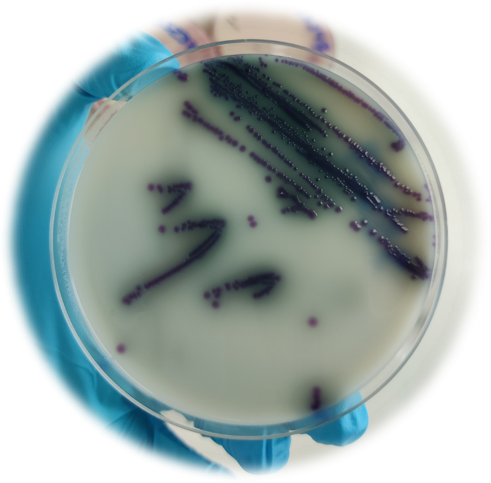
Wild Salmonella Enteritidis strains will grow successfully in both media, while an auxotrophic wild strain will not grow in either. In addition to the IDT Kit, Ceva Animal Health is to launch a new differentiation test using a chromogenic media, ASAP Medium, that demonstrates a unique colour for growth of the Cevac Salmovac strain.

Field strains of Salmonella grow as red and pink colonies, whereas Ceva Salmovac grow as dark, blue and green colonies. The ASAP medium is also a useful tool for monitoring Cevac Salmovac drinking water vaccination.

The identification of Cevac Salmovac strains during routine sampling is not a cause for concern with regards to food safety and can provide you with reassurance that the vaccine has been well administered during the rearing period.

Continued vigilance in the prevention and control of Salmonella throughout the supply chain maintains consumer confidence in the industry and ensures the UK remains a global example of the success of Salmonella control programmes.

Share. Facebook Twitter LinkedIn Email
Previous ArticleWater: the forgotten nutrient in poultry farming
Next Article Worst ever avian flu outbreak continues with four new cases confirmed in Devon in past week
Chloe Ryan

Editor of Poultry Business, Chloe has spent the past decade writing about the food industry from farming, through manufacturing, retail and foodservice. When not working, dog walking and reading biographies are her favourite hobbies.

Read Similar Stories

Health & Welfare

Avian flu confirmed at new poultry sites as UK case total reaches 68

December 15, 20252 Mins Read
Health & Welfare

Avian flu outbreaks continue as UK cases reach 66

December 10, 20252 Mins Read
Health & Welfare

UK bird flu outbreak reaches 58 cases 

December 1, 20252 Mins Read
Latest News

Batters review warns farm profitability under pressure

December 19, 2025

Egg producer prosecuted after death of worker

December 18, 2025

NFU welcomes consultation on planning reforms to ease farm building approvals

December 18, 2025
Sponsored Content

Stay one step ahead of outbreaks

December 3, 2025

Can Aviance improve production and shell quality in full laying cycle?

October 1, 2025
© 2024 MA Agriculture Ltd, a Mark Allen Group company

Privacy Policy | Cookies Policy | Terms & Conditions

  • Farmers Weekly
  • AA Farmer
  • Farm Contractor
  • Pig World

Type above and press Enter to search. Press Esc to cancel.