


Poultry News
  • Production
    • Broiler Production
    • Ducks
    • Egg Production
    • Game
    • Hatching
    • Housing
    • Turkeys
  • Processing
  • Business & Politics
    • Business
    • Economics
    • EU & Politics
    • Marketing
    • People
    • Training & Education
  • Welfare
    • Environment
    • Food Safety
    • Vet & Medication
    • Welfare
  • Feed
  • Genetics
  • New Products
  • Magazines
    • November 2025
    • October 2025
    • September 2025
    • 2025 Buildings supplement
    • August 2025
    • 2025 Poultry Health supplement
    • July 2025
    • 2025 National Egg and Poultry Awards finalists supplement
    • June 2025
    • 2025 Innovation supplement
    • May 2025
    • April 2025
    • March 2025
    • 2025 Feed and Nutrition supplement
    • February 2025
    • January 2025
    • December 2024
    • November 2024
    • October 2024
    • September 2024
    • 2024 Building for the Future supplement
    • August 2024
    • 2024 Poultry Health supplement
    • July 2024
    • 2024 National Egg and Poultry Awards finalists supplement
    • June 2024
    • 2024 Innovation supplement
    • Pig & Poultry Fair 2024
    • May 2024
    • April 2024
    • March 2024
    • February 2024
    • January 2024
    • December 2023
    • November 2023
    • Processing Equipment Supplement – Nov 2023
    • October 2023
    • Building Supplement – Sept 2023
    • September 2023
  • Jobs
    • Browse Jobs
    • Post a Job
    • Manage Jobs
  • Events
    • National Egg and Poultry Awards
    • Poultry Fair
    • Webinars
Twitter LinkedIn
  • FREE Email Newsletters
  • About Us
  • Advertise
  • Subscribe
  • Contact Us
Twitter LinkedIn
Podcast
Poultry News
  • Production
    • Broiler Production
    • Ducks
    • Egg Production
    • Game
    • Hatching
    • Housing
    • Turkeys
  • Processing
  • Business & Politics
    • Business
    • Economics
    • EU & Politics
    • Marketing
    • People
    • Training & Education
  • Welfare
    • Environment
    • Food Safety
    • Vet & Medication
    • Welfare
  • Feed
  • Genetics
  • New Products
  • Magazines
    1. November 2025
    2. October 2025
    3. September 2025
    4. 2025 Buildings supplement
    5. August 2025
    6. 2025 Poultry Health supplement
    7. July 2025
    8. 2025 National Egg and Poultry Awards finalists supplement
    9. June 2025
    10. 2025 Innovation supplement
    11. May 2025
    12. April 2025
    13. March 2025
    14. 2025 Feed and Nutrition supplement
    15. February 2025
    16. January 2025
    17. December 2024
    18. November 2024
    19. October 2024
    20. September 2024
    21. 2024 Building for the Future supplement
    22. August 2024
    23. 2024 Poultry Health supplement
    24. July 2024
    25. 2024 National Egg and Poultry Awards finalists supplement
    26. June 2024
    27. 2024 Innovation supplement
    28. Pig & Poultry Fair 2024
    29. May 2024
    30. April 2024
    31. March 2024
    32. February 2024
    33. January 2024
    34. December 2023
    35. November 2023
    36. Processing Equipment Supplement – Nov 2023
    37. October 2023
    38. Building Supplement – Sept 2023
    39. September 2023
    Featured

    Poultry Business – November 2025 issue out now

    By Chloe RyanNovember 9, 2025
    Recent

    Poultry Business – November 2025 issue out now

    November 9, 2025

    Poultry Business – October 2025 issue out now

    October 13, 2025

    Poultry Business – September 2025 issue out now

    September 19, 2025
  • Jobs
    • Browse Jobs
    • Post a Job
    • Manage Jobs
  • Events
    • National Egg and Poultry Awards
    • Poultry Fair
    • Webinars
Twitter LinkedIn
Poultry News
Egg Production

Egg value improved as sensor technology identifies causes of shell fractures

Chloe RyanBy Chloe RyanSeptember 10, 20203 Mins Read
Facebook Twitter LinkedIn Email
Share
Facebook Twitter LinkedIn Email

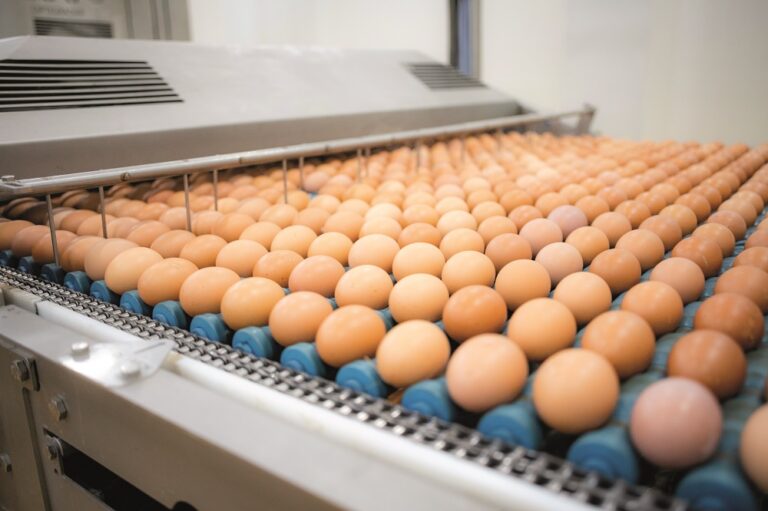
Small adjustments to the egg collection and sorting equipment at a Welsh free range unit has resulted in fewer eggs being graded as seconds.

Hairline cracks in eggs are often not noticeable to the naked eye at farm level but they are picked up by sensors at the packing plant.

Osian Williams runs a 32,000-hen free range flock of Bovans Browns at Wern, a Farming Connect demonstration site near Welshpool.

Micro cracks can occur as eggs are collected and sorted – if just 1% of his eggs are graded as seconds it can mean a £5,500 loss to the business.

Catherine Price, poultry technical officer at Farming Connect, said cracked eggs, combined with eggs dirtied by cracked eggs on a transporting conveyor belt, can contribute to a high percentage of eggs being classed as seconds.

“Once eggs are damaged in this way, eggs are devalued considerably,’’ she said. “This, combined with the current challenging egg market, means it’s beneficial for egg producers to prevent unnecessary damage to eggs during transport from the laying nest box through to the packing machine.’’

The issue is not a major one at Wern but as the flock is now running at 70 weeks and egg shell quality could become more vulnerable, Williams embarked on a project to identify pinch points in his system.

The project, carried out in conjunction with Farming Connect and his feed supplier, Lloyds Animal Feeds, involved running a sensor in the shape of an egg along the transfer points and graders, to identify trouble spots.

It identified a steep gradient at the top of the egg belt near to the transfer point, a glitch that could result in damaged shells. It only needs a small adjustment with a spanner to resolve.

The speed of the egg conveyor belt – a common cause of shell fractures – was also altered.

“Everyone thinks their system is fine but it was quite surprising to learn how a small drop can affect egg quality,’’ Williams told his audience at the recent Farming Connect Demo Farm Live event from Wern.

With margins over feed and pullets very tight in free range egg production, running a sensor through the system can be a very cheap and easy means of making improvements.

Gwesyn Davies, of Lloyds Animal Feeds, a speaker at the Demo Farm Live event, said seconds are becoming more of a problem now that flocks are run for longer.

“We are seeing plenty of flocks run to 80 weeks and shells become more vulnerable at this stage,’’ he said.

“Breeding and nutrition come into it but it is an easy win to look at improvements that can be made in the shed.’’

Farming Connect, which is delivered by Menter a Busnes and Lantra, has received funding through the Welsh Government Rural Communities – Rural Development Programme 2014-2020, which is funded by the European Agricultural Fund for Rural Development and the Welsh Government.


Share. Facebook Twitter LinkedIn Email
Previous ArticleStaff begin to return to work at Banham Poultry
Next Article Antibiotic Reduction: the sums don’t add up
Chloe Ryan

Editor of Poultry Business, Chloe has spent the past decade writing about the food industry from farming, through manufacturing, retail and foodservice. When not working, dog walking and reading biographies are her favourite hobbies.

Read Similar Stories

Production

UK poultry meat production lifts by 2.2%

December 5, 20252 Mins Read
Egg Production

Farmlay showcases growing poultry enterprise during QMS ‘Meating Our Potential’ visit

December 2, 20254 Mins Read
Hatching

Getting the best start

November 26, 20255 Mins Read
Latest News

EU egg market rally further, while broiler prices ease

December 5, 2025

UK poultry meat production lifts by 2.2%

December 5, 2025

Grounded Research launches study on poultry food safety, seeks industry participants

December 4, 2025
Sponsored Content

Stay one step ahead of outbreaks

December 3, 2025

Can Aviance improve production and shell quality in full laying cycle?

October 1, 2025
© 2024 MA Agriculture Ltd, a Mark Allen Group company

Privacy Policy | Cookies Policy | Terms & Conditions

  • Farmers Weekly
  • AA Farmer
  • Farm Contractor
  • Pig World

Type above and press Enter to search. Press Esc to cancel.