


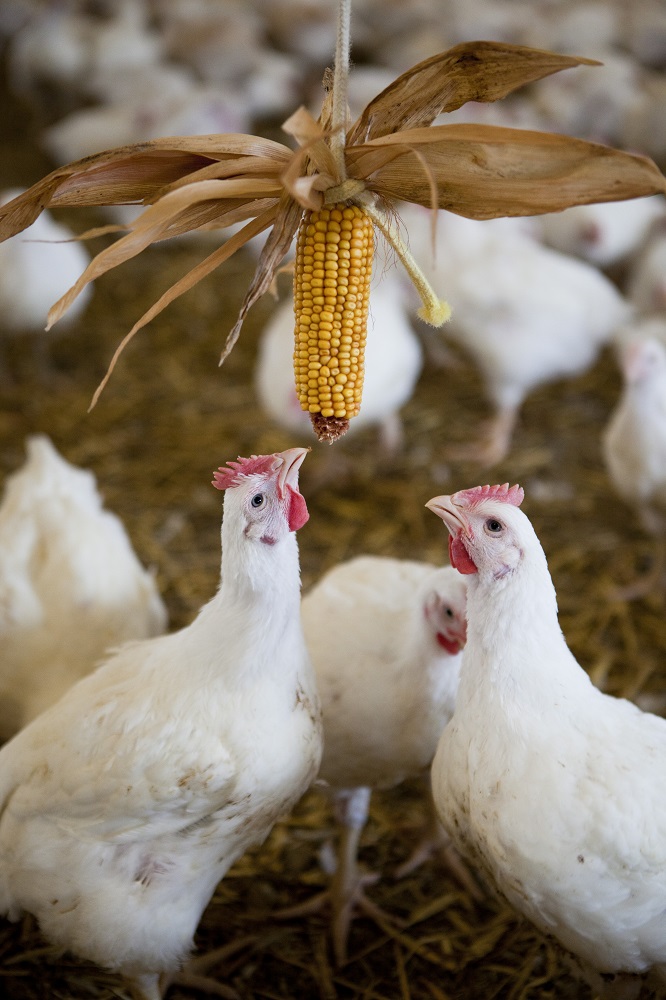
Poultry farmers across England and Wales are preparing to allow birds back outdoors after the UK government confirmed that housing restrictions will be lifted at midnight on April 9, 2026.
With the deadline approaching, RSPCA Assured is encouraging producers to take a cautious and welfare-focused approach as free-range and organic birds regain access to the range.
Kelly Grellier, chief commercial officer at RSPCA Assured, acknowledged the strain the sector has faced in recent months. She said many farmers had worked tirelessly to maintain welfare standards during the housing period, despite the wider impact of avian influenza, including flock losses. She added that the organisation’s farming and technical engagement team stands ready to support members through the transition and help safeguard bird welfare.
Farm assessor Lucy Anderson described the lifting of restrictions as a positive step that would bring relief for many producers but stressed the importance of careful planning. She noted that a gradual return to outdoor access is essential, particularly for younger laying hens that may be experiencing the range for the first time. A sudden environmental change, she warned, can lead to stress and unsettled behaviour.
RSPCA Assured is advising farmers to prepare range areas thoroughly before opening popholes. This includes checking fencing and shelters, removing hazards that may have developed during housing, and ensuring ground conditions are suitable to avoid wet or poached areas near sheds. Providing a dry, well-maintained surface outside popholes is also seen as key to maintaining indoor litter quality.
To support birds during the transition, farmers are encouraged to create sheltered “corridors” leading from popholes using structures such as trailers, fencing with windbreak netting or natural materials. Additional dustbathing areas, perches and natural cover close to the shed can help encourage birds to explore the range while reducing fear. Windbreaks in exposed areas and fencing off standing water are also recommended.
Close monitoring of flock behaviour will be critical in the early stages of turnout. Farmers are urged to watch for signs of stress, injury or feather pecking and to introduce outdoor access gradually, particularly for flocks that have been housed for extended periods.
Despite the easing of housing measures, strict biosecurity requirements under the Avian Influenza Protection Zone remain in place across Great Britain. Producers must continue to follow the latest guidance from the Animal and Plant Health Agency and DEFRA, with ongoing vigilance around contact between poultry and wild birds considered essential.
RSPCA Assured confirmed that it will now return to its usual assessment regime, including unannounced visits. The organisation said its standards, which apply to chickens, laying hens and turkeys, are designed to maintain welfare throughout all stages of production, including periods when birds must be housed indoors.
Farmers with concerns about avian influenza or the transition back to free range are being encouraged to seek advice from the RSPCA Assured support team as the sector moves into the next phase of recovery.