
Poultry News
  • Production
    • Broiler Production
    • Ducks
    • Egg Production
    • Game
    • Hatching
    • Housing
    • Turkeys
  • Processing
  • Business & Politics
    • Business
    • Economics
    • EU & Politics
    • Marketing
    • People
    • Training & Education
  • Welfare
    • Environment
    • Food Safety
    • Vet & Medication
    • Welfare
  • Feed
  • Genetics
  • New Products
  • Magazines
    • October 2026
    • September 2026
    • 2026 Buildings supplement
    • August 2026
    • 2026 Health supplement
    • July 2026
    • 2026 National Egg and Poultry Awards finalists supplement
    • June 2026
    • 2026 Innovation supplement
    • 2026 British Pig & Poultry Fair guide
    • May 2026
    • March 2026
    • 2026 Feed & Nutrition supplement
    • February 2026
    • January 2026
    • December 2025
    • November 2025
    • October 2025
    • September 2025
    • 2025 Buildings supplement
    • August 2025
    • 2025 Poultry Health supplement
    • July 2025
    • 2025 National Egg and Poultry Awards finalists supplement
    • June 2025
    • 2025 Innovation supplement
    • May 2025
    • April 2025
    • March 2025
    • 2025 Feed and Nutrition supplement
    • February 2025
    • January 2025
    • December 2024
    • November 2024
    • October 2024
    • September 2024
    • 2024 Building for the Future supplement
    • August 2024
    • 2024 Poultry Health supplement
    • July 2024
    • 2024 National Egg and Poultry Awards finalists supplement
    • June 2024
    • 2024 Innovation supplement
    • Pig & Poultry Fair 2024
    • May 2024
    • April 2024
    • March 2024
    • February 2024
    • January 2024
    • December 2023
    • November 2023
    • Processing Equipment Supplement – Nov 2023
    • October 2023
    • Building Supplement – Sept 2023
    • September 2023
  • Jobs
    • Browse Jobs
    • Post a Job
    • Manage Jobs
  • Events
    • National Egg and Poultry Awards
    • Poultry Fair
    • Webinars
Twitter LinkedIn
  • FREE Email Newsletters
  • About Us
  • Advertise
  • Subscribe
  • Contact Us
Twitter LinkedIn
Podcast
Poultry News
  • Production
    • Broiler Production
    • Ducks
    • Egg Production
    • Game
    • Hatching
    • Housing
    • Turkeys
  • Processing
  • Business & Politics
    • Business
    • Economics
    • EU & Politics
    • Marketing
    • People
    • Training & Education
  • Welfare
    • Environment
    • Food Safety
    • Vet & Medication
    • Welfare
  • Feed
  • Genetics
  • New Products
  • Magazines
    1. October 2026
    2. September 2026
    3. 2026 Buildings supplement
    4. August 2026
    5. 2026 Health supplement
    6. July 2026
    7. 2026 National Egg and Poultry Awards finalists supplement
    8. June 2026
    9. 2026 Innovation supplement
    10. 2026 British Pig & Poultry Fair guide
    11. May 2026
    12. March 2026
    13. 2026 Feed & Nutrition supplement
    14. February 2026
    15. January 2026
    16. December 2025
    17. November 2025
    18. October 2025
    19. September 2025
    20. 2025 Buildings supplement
    21. August 2025
    22. 2025 Poultry Health supplement
    23. July 2025
    24. 2025 National Egg and Poultry Awards finalists supplement
    25. June 2025
    26. 2025 Innovation supplement
    27. May 2025
    28. April 2025
    29. March 2025
    30. 2025 Feed and Nutrition supplement
    31. February 2025
    32. January 2025
    33. December 2024
    34. November 2024
    35. October 2024
    36. September 2024
    37. 2024 Building for the Future supplement
    38. August 2024
    39. 2024 Poultry Health supplement
    40. July 2024
    41. 2024 National Egg and Poultry Awards finalists supplement
    42. June 2024
    43. 2024 Innovation supplement
    44. Pig & Poultry Fair 2024
    45. May 2024
    46. April 2024
    47. March 2024
    48. February 2024
    49. January 2024
    50. December 2023
    51. November 2023
    52. Processing Equipment Supplement – Nov 2023
    53. October 2023
    54. Building Supplement – Sept 2023
    55. September 2023
    Featured

    Poultry Business – October 2026 issue out now

    By Chloe RyanOctober 15, 2026
    Recent

    Poultry Business – October 2026 issue out now

    October 15, 2026

    Poultry Business – September 2026 issue out now

    September 9, 2026

    Poultry Business – 2026 Buildings supplement out now

    September 9, 2026
  • Jobs
    • Browse Jobs
    • Post a Job
    • Manage Jobs
  • Events
    • National Egg and Poultry Awards
    • Poultry Fair
    • Webinars
Twitter LinkedIn
Poultry News
Feed & Nutrition

New Tesco and WWF report predicts insects will partially replace soya as animal feed

Chloe RyanBy Chloe RyanJuly 1, 20213 Mins Read
Facebook Twitter LinkedIn Email
Share
Facebook Twitter LinkedIn Email

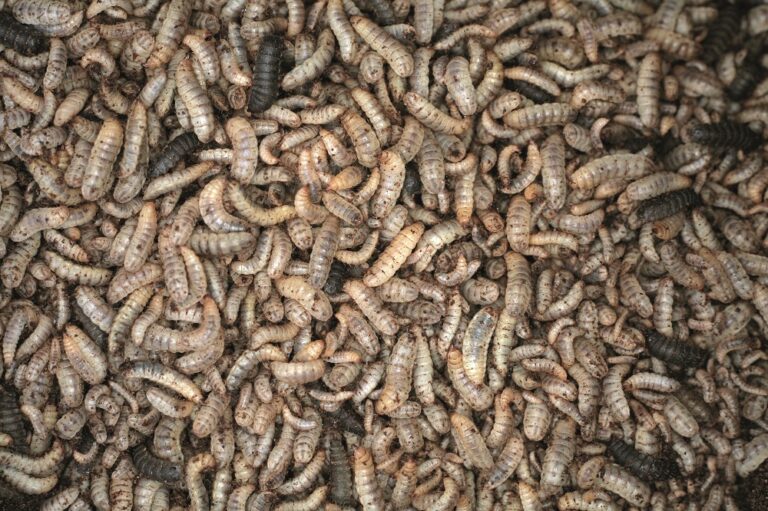
Using insect meal to feed livestock and dish could cut the UK’s future soya footprint by a fifth, according to new report published on 1 July. The research, commissioned by WWF in partnership with Tesco, highlights the huge potential for insect farming in helping to tackle climate change.
‘The Future of Feed: a WWF roadmap to accelerating insect protein in UK feeds’ projects the total demand for insect meal from the UK’s pig, poultry and salmon sectors could reach around 540,000 tonnes a year by 2050. This could result in about 16,000 tonnes of fishmeal and 524,000 tonnes of soy being replaced – equivalent to one fifth of the UK’s projected soy imports in 2050, or Tesco UK’s entire 2018 soy footprint. Around 150,000 hectares of land is required to produce this amount of soy annually, almost the size of Greater London.
Animal feed accounts for around 75% of soy production, but cultivation of the crop is fuelling climate change, deforestation and habitat conversion in several key ecosystems, including the Brazillian Cerrado, where more than 100,000 hectares of precious habitat is lost each year to make way for soy production.
In addition to reducing deforestation risk, insect farming has the advantage that many insects are biological waste processors, helping to recycle and decompose material. They can be reared from a vast range of feedstocks, or substrates, and can process surplus food, by-products and other raw materials which might otherwise go to waste.
Currently, processed insect protein cannot be fed to any farmed livestock intended for human consumption. The EU has said it will amend legislation to permit its use in pig and poultry feed, and the UK could follow suit. Even though the use of insect meal is permitted within aquaculture, the volumes are currently too low and so prices are high, preventing significant uptake.
This new research suggests around 240,000 tonnes of insect meal per year could potentially be sourced from UK insect farms. But the growth of the industry in the UK is lagging behind mainland Europe and North America. Some new UK facilities are in construction, but the sector is constrained by several factors, including only a limited number of substrates being authorised for rearing insects which are intended to be used in animal feed.
WWF and Tesco are calling on the UK government to mandate the Food Standards Agency, with input from Food Standards Scotland, to research the potential and regulatory requirements for using additional substrates for insect farming, which could allow a broader range of feedstocks to be used to farm insects.
Tesco is also urging the government to develop financial incentives to support innovative farming methods, such as insect farming, which will support the scale up of these new industries. WWF calls for aquaculture suppliers and retailers to work together to increase demand for insect meal, supporting the move away from a feed system that drives the destruction of nature.
Ashwin Prasad, Chief Product Officer, at Tesco said: “The development of alternative animal feeds like insect meal is vital in tackling the environmental impact of food production. Retailers like Tesco and the food industry as a whole have a key role to play in scaling up the use of insect feed, and we’re already trialling its use in our aquaculture supply chain.
“We’re calling on Government to build on this report and develop financial incentives to support innovative farming methods, such as insect farming, which will support the scale up of these new industries.”

Share. Facebook Twitter LinkedIn Email
Previous ArticleExtension to Northern Ireland Protocol grace period for chilled meats agreed
Next Article 2 Sisters forms agriculture partnership with Leeds University
Chloe Ryan

Editor of Poultry Business, Chloe has spent the past decade writing about the food industry from farming, through manufacturing, retail and foodservice. When not working, dog walking and reading biographies are her favourite hobbies.

Read Similar Stories

News

Nearly half of farmers report worsening fly-tipping

October 7, 20261 Min Read
Feed & Nutrition

Poor harvest poses risk to feed nutrient levels

September 23, 20262 Mins Read
New Products

dsm-firmenich launches new product to combat heat stress

September 18, 20261 Min Read
Latest News

Fridays increases turnover and profit as egg demand grows

October 16, 2026

Organic action plan targets domestic market growth

October 16, 2026

Annyalla Chicks profit rises to almost £2m as turnover tops £63m

October 16, 2026
Sponsored Content

Why Some Flocks Produce More Saleable Eggs Than Others. Lifetime Eggshell Quality Starts with Trace Minerals.

October 1, 2026

Make poultry diets more sustainable without compromising performance

September 7, 2026
© 2024 MA Agriculture Ltd, a Mark Allen Group company

Privacy Policy | Cookies Policy | Terms & Conditions

  • Farmers Weekly
  • AA Farmer
  • Farm Contractor
  • Pig World

Type above and press Enter to search. Press Esc to cancel.