

Poultry News
  • Production
    • Broiler Production
    • Ducks
    • Egg Production
    • Game
    • Hatching
    • Housing
    • Turkeys
  • Processing
  • Business & Politics
    • Business
    • Economics
    • EU & Politics
    • Marketing
    • People
    • Training & Education
  • Welfare
    • Environment
    • Food Safety
    • Vet & Medication
    • Welfare
  • Feed
  • Genetics
  • New Products
  • Magazines
    • May 2026
    • March 2026
    • 2026 Feed & Nutrition supplement
    • February 2026
    • January 2026
    • December 2025
    • November 2025
    • October 2025
    • September 2025
    • 2025 Buildings supplement
    • August 2025
    • 2025 Poultry Health supplement
    • July 2025
    • 2025 National Egg and Poultry Awards finalists supplement
    • June 2025
    • 2025 Innovation supplement
    • May 2025
    • April 2025
    • March 2025
    • 2025 Feed and Nutrition supplement
    • February 2025
    • January 2025
    • December 2024
    • November 2024
    • October 2024
    • September 2024
    • 2024 Building for the Future supplement
    • August 2024
    • 2024 Poultry Health supplement
    • July 2024
    • 2024 National Egg and Poultry Awards finalists supplement
    • June 2024
    • 2024 Innovation supplement
    • Pig & Poultry Fair 2024
    • May 2024
    • April 2024
    • March 2024
    • February 2024
    • January 2024
    • December 2023
    • November 2023
    • Processing Equipment Supplement – Nov 2023
    • October 2023
    • Building Supplement – Sept 2023
    • September 2023
  • Jobs
    • Browse Jobs
    • Post a Job
    • Manage Jobs
  • Events
    • National Egg and Poultry Awards
    • Poultry Fair
    • Webinars
Twitter LinkedIn
  • FREE Email Newsletters
  • About Us
  • Advertise
  • Subscribe
  • Contact Us
Twitter LinkedIn
Podcast
Poultry News
  • Production
    • Broiler Production
    • Ducks
    • Egg Production
    • Game
    • Hatching
    • Housing
    • Turkeys
  • Processing
  • Business & Politics
    • Business
    • Economics
    • EU & Politics
    • Marketing
    • People
    • Training & Education
  • Welfare
    • Environment
    • Food Safety
    • Vet & Medication
    • Welfare
  • Feed
  • Genetics
  • New Products
  • Magazines
    1. May 2026
    2. March 2026
    3. 2026 Feed & Nutrition supplement
    4. February 2026
    5. January 2026
    6. December 2025
    7. November 2025
    8. October 2025
    9. September 2025
    10. 2025 Buildings supplement
    11. August 2025
    12. 2025 Poultry Health supplement
    13. July 2025
    14. 2025 National Egg and Poultry Awards finalists supplement
    15. June 2025
    16. 2025 Innovation supplement
    17. May 2025
    18. April 2025
    19. March 2025
    20. 2025 Feed and Nutrition supplement
    21. February 2025
    22. January 2025
    23. December 2024
    24. November 2024
    25. October 2024
    26. September 2024
    27. 2024 Building for the Future supplement
    28. August 2024
    29. 2024 Poultry Health supplement
    30. July 2024
    31. 2024 National Egg and Poultry Awards finalists supplement
    32. June 2024
    33. 2024 Innovation supplement
    34. Pig & Poultry Fair 2024
    35. May 2024
    36. April 2024
    37. March 2024
    38. February 2024
    39. January 2024
    40. December 2023
    41. November 2023
    42. Processing Equipment Supplement – Nov 2023
    43. October 2023
    44. Building Supplement – Sept 2023
    45. September 2023
    Featured

    Poultry Business – May 2026 issue out now

    By Chloe RyanMay 6, 2026
    Recent

    Poultry Business – May 2026 issue out now

    May 6, 2026

    Poultry Business – April 2026 issue out now

    April 7, 2026

    Poultry Business – March 2026 issue out now

    March 11, 2026
  • Jobs
    • Browse Jobs
    • Post a Job
    • Manage Jobs
  • Events
    • National Egg and Poultry Awards
    • Poultry Fair
    • Webinars
Twitter LinkedIn
Poultry News
Environment

Defra confirms new measures to protect against avian flu

Chloe RyanBy Chloe RyanFebruary 27, 20174 Mins Read
Facebook Twitter LinkedIn Email
Share
Facebook Twitter LinkedIn Email
The government’s chief vet has confirmed new measures to protect against avian flu that take a more targeted approach to controlling the disease.
Following plans set out earlier this month, all poultry keepers across England must continue to observe strict biosecurity measures, with housing or netting required in higher risk areas.
This approach is based on the current situation and the latest veterinary advice, which concludes that it is the best option to control disease, protect birds’ welfare and ensure consumers can buy free range products.
This new approach will apply from 28 February, when the current prevention zone expires. It gives most keepers the option to let birds outside whilst still taking reasonable precautions against avian flu. The ban on poultry gatherings remains in force.
All poultry keepers – whether they keep a commercial flock or a few chickens in their back garden – must continue to practice strict disease prevention measures.
Chief Veterinary Officer Nigel Gibbens said: “Effective disease control will always be our priority. H5N8 continues to circulate in wild birds and we must all continue to do everything we can to reduce the risk of disease. All keepers across the country must follow strict mandatory disease prevention measures.
“Based on clear scientific evidence, the risk from wild birds is too high in some areas of England to rely on biosecurity measures alone. That’s why we are requiring birds in Higher Risk Areas to be housed or protected from wild bird contact by netting.
“We believe this is the best approach to control disease, protect birds’ welfare and ensure consumers can buy free range products. As with any disease control measures these will be kept under review based on the latest situation and up-to-date scientific advice.”
The risk of disease across the country remains high and measures are likely to be in place until at least the end of April.
The advice from Public Health England is that the risk to public health is very low and the Food Standards Agency has said there is no food safety risk for consumers.
What poultry keepers must do
H5N8 is spread from wild birds, as well as from infected kept birds, which is why people who keep poultry are currently required to take action to try to avoid contact between poultry and wild birds – either direct, bird-to-bird contact, or indirect contact via the environment, where disease can be spread through things like contaminated bird droppings.
The best way to avoid contact between poultry and wild birds is to keep them housed in a suitable building. However, the new targeted approach is designed to give keepers options and allow free range production to continue.
  • Keepers in higher risk areas must continue to keep birds housed or netted. This is because, based on extensive scientific advice, Defra said it believed the risk from wild birds in these areas to be higher. These areas are close to large bodies of water where wild waterfowl congregate.


  • All other keepers can choose to continue to house birds or let birds outside into fenced areas, but must follow strict Defra guidance to reduce the risk of infection. This includes a risk assessment to check that outside areas are not contaminated and the risk of contact with wild birds is low. If you have any concerns you should continue to house your birds or keep them in covered runs or netted areas.
The H5N8 strain of the disease has been confirmed at a poultry farm in Suffolk, three linked premises on a commercial game farm in Lancashire, three separate poultry farms in Lincolnshire and in backyard flocks in North Yorkshire and Carmarthenshire. Where avian flu is confirmed, Defra said it takes
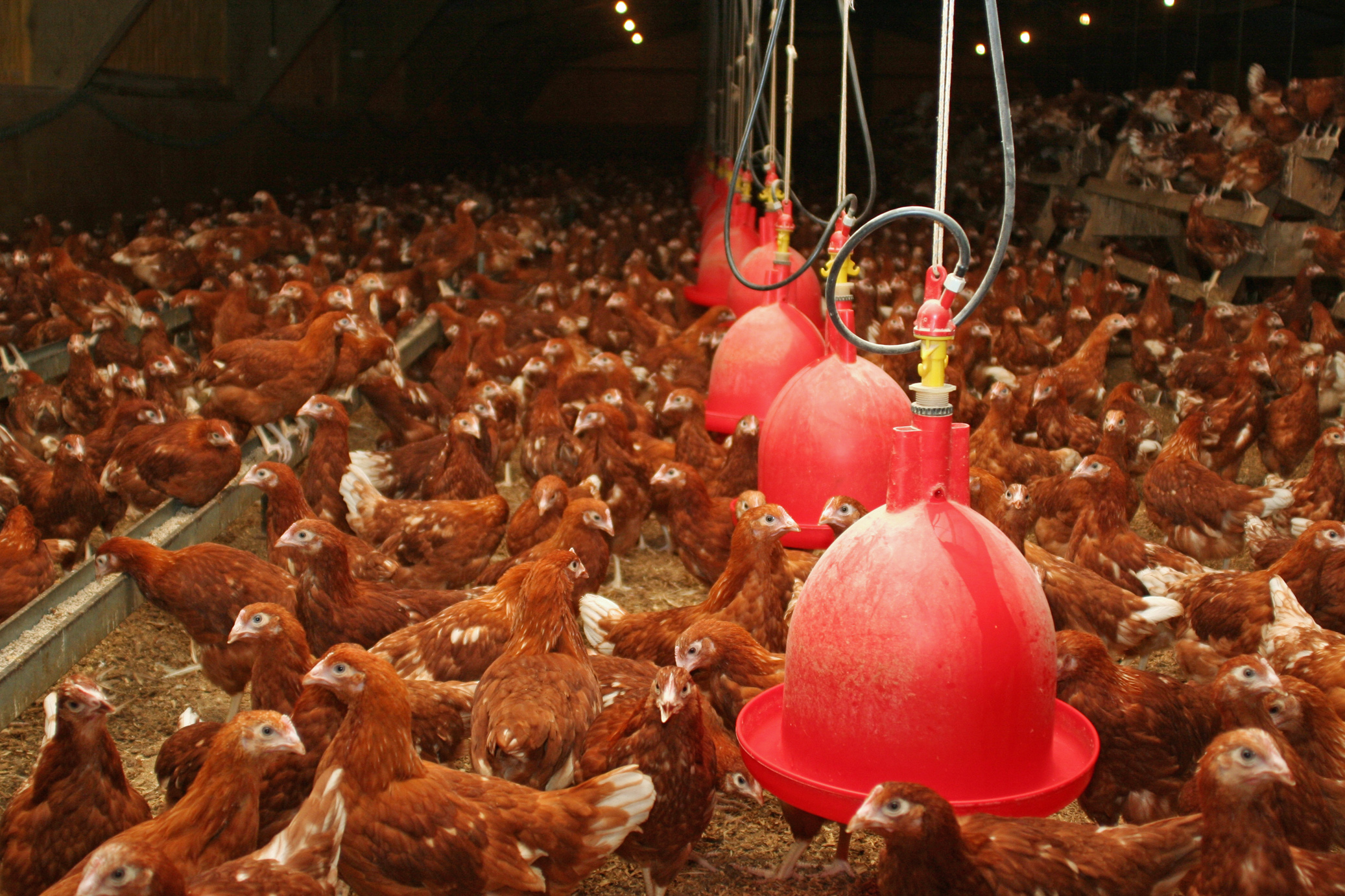
pulletsswift action to limit the spread of disease with restrictions around affected premises and full investigations to determine the source of infection.
  • Keepers can find out if they are in a Higher Risk Area using Defra’s interactive map at http://www.gisdiseasemap.defra.gov.uk/intmaps/avian/map.jsp
  • Guidance on what keepers must do under the new Prevention Zone is available at https://www.gov.uk/guidance/avian-influenza-bird-flu or by calling the Defra helpline on 03459 33 55 77
  • A paper on the rationale for Higher Risk Areas in England from 28 February is available at https://www.gov.uk/government/publications/avian-influenza-bird-flu-in-europe
Share. Facebook Twitter LinkedIn Email
Previous ArticleBerkshire chicken farm shed destroyed in fire
Next Article Brits put welfare of egg laying hens before meat chickens
Chloe Ryan

Editor of Poultry Business, Chloe has spent the past decade writing about the food industry from farming, through manufacturing, retail and foodservice. When not working, dog walking and reading biographies are her favourite hobbies.

Read Similar Stories

Health & Welfare

BVA calls for cage ban as NFU warns of import risks and cost pressures

May 1, 20262 Mins Read
Health & Welfare

Animal welfare law change to be challenged in court

January 22, 20262 Mins Read
Health & Welfare

Government confirms January consultation on ending laying hen cages

January 8, 20261 Min Read
Latest News

Comment: Good stock people are at the heart of every farm

May 7, 2026

Comment: Our slurry cushions us against global nitrogen prices

May 7, 2026

Winners announced at National Women in Agriculture Awards 2026

May 6, 2026
Sponsored Content

Take Control of Your Farm’s Biosecurity with Livetec

May 1, 2026

Address beta-mannans in broiler diets to optimise bird health and performance

April 1, 2026
© 2024 MA Agriculture Ltd, a Mark Allen Group company

Privacy Policy | Cookies Policy | Terms & Conditions

  • Farmers Weekly
  • AA Farmer
  • Farm Contractor
  • Pig World

Type above and press Enter to search. Press Esc to cancel.