


Poultry News
  • Production
    • Broiler Production
    • Ducks
    • Egg Production
    • Game
    • Hatching
    • Housing
    • Turkeys
  • Processing
  • Business & Politics
    • Business
    • Economics
    • EU & Politics
    • Marketing
    • People
    • Training & Education
  • Welfare
    • Environment
    • Food Safety
    • Vet & Medication
    • Welfare
  • Feed
  • Genetics
  • New Products
  • Magazines
    • July 2026
    • 2026 National Egg and Poultry Awards finalists supplement
    • June 2026
    • 2026 Innovation Supplement
    • 2026 British Pig & Poultry Fair guide
    • May 2026
    • March 2026
    • 2026 Feed & Nutrition supplement
    • February 2026
    • January 2026
    • December 2025
    • November 2025
    • October 2025
    • September 2025
    • 2025 Buildings supplement
    • August 2025
    • 2025 Poultry Health supplement
    • July 2025
    • 2025 National Egg and Poultry Awards finalists supplement
    • June 2025
    • 2025 Innovation supplement
    • May 2025
    • April 2025
    • March 2025
    • 2025 Feed and Nutrition supplement
    • February 2025
    • January 2025
    • December 2024
    • November 2024
    • October 2024
    • September 2024
    • 2024 Building for the Future supplement
    • August 2024
    • 2024 Poultry Health supplement
    • July 2024
    • 2024 National Egg and Poultry Awards finalists supplement
    • June 2024
    • 2024 Innovation supplement
    • Pig & Poultry Fair 2024
    • May 2024
    • April 2024
    • March 2024
    • February 2024
    • January 2024
    • December 2023
    • November 2023
    • Processing Equipment Supplement – Nov 2023
    • October 2023
    • Building Supplement – Sept 2023
    • September 2023
  • Jobs
    • Browse Jobs
    • Post a Job
    • Manage Jobs
  • Events
    • National Egg and Poultry Awards
    • Poultry Fair
    • Webinars
Twitter LinkedIn
  • FREE Email Newsletters
  • About Us
  • Advertise
  • Subscribe
  • Contact Us
Twitter LinkedIn
Podcast
Poultry News
  • Production
    • Broiler Production
    • Ducks
    • Egg Production
    • Game
    • Hatching
    • Housing
    • Turkeys
  • Processing
  • Business & Politics
    • Business
    • Economics
    • EU & Politics
    • Marketing
    • People
    • Training & Education
  • Welfare
    • Environment
    • Food Safety
    • Vet & Medication
    • Welfare
  • Feed
  • Genetics
  • New Products
  • Magazines
    1. July 2026
    2. 2026 National Egg and Poultry Awards finalists supplement
    3. June 2026
    4. 2026 Innovation Supplement
    5. 2026 British Pig & Poultry Fair guide
    6. May 2026
    7. March 2026
    8. 2026 Feed & Nutrition supplement
    9. February 2026
    10. January 2026
    11. December 2025
    12. November 2025
    13. October 2025
    14. September 2025
    15. 2025 Buildings supplement
    16. August 2025
    17. 2025 Poultry Health supplement
    18. July 2025
    19. 2025 National Egg and Poultry Awards finalists supplement
    20. June 2025
    21. 2025 Innovation supplement
    22. May 2025
    23. April 2025
    24. March 2025
    25. 2025 Feed and Nutrition supplement
    26. February 2025
    27. January 2025
    28. December 2024
    29. November 2024
    30. October 2024
    31. September 2024
    32. 2024 Building for the Future supplement
    33. August 2024
    34. 2024 Poultry Health supplement
    35. July 2024
    36. 2024 National Egg and Poultry Awards finalists supplement
    37. June 2024
    38. 2024 Innovation supplement
    39. Pig & Poultry Fair 2024
    40. May 2024
    41. April 2024
    42. March 2024
    43. February 2024
    44. January 2024
    45. December 2023
    46. November 2023
    47. Processing Equipment Supplement – Nov 2023
    48. October 2023
    49. Building Supplement – Sept 2023
    50. September 2023
    Featured

    Poultry Business – July 2026 issue out now

    By Chloe RyanJuly 2, 2026
    Recent

    Poultry Business – July 2026 issue out now

    July 2, 2026

    2026 National Egg and Poultry Awards finalists supplement out now

    July 2, 2026

    Poultry Business – June 2026 issue out now

    June 8, 2026
  • Jobs
    • Browse Jobs
    • Post a Job
    • Manage Jobs
  • Events
    • National Egg and Poultry Awards
    • Poultry Fair
    • Webinars
Twitter LinkedIn
Poultry News
Food Safety

New Royal Veterinary College research provides international insight into antimicrobial residues in poultry

Chloe RyanBy Chloe RyanAugust 5, 20263 Mins Read
Facebook Twitter LinkedIn Email
Share
Facebook Twitter LinkedIn Email

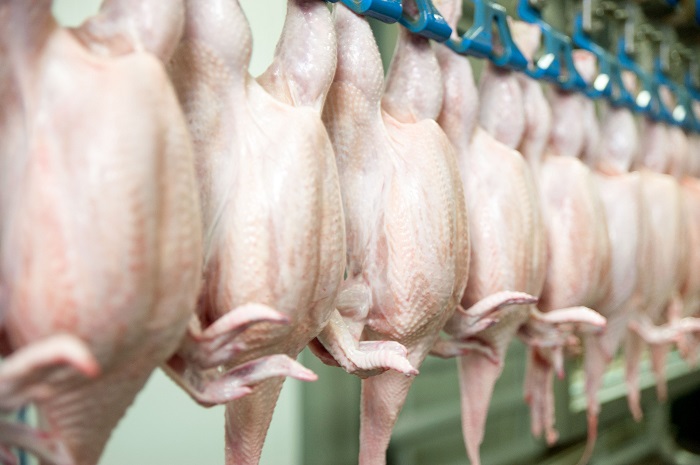
New research from the Royal Veterinary College (RVC), carried out in collaboration with research institutions in South and Southeast Asia, provides one of the first directly comparable assessments of antimicrobial residues in poultry, using a standardised testing approach across multiple countries. The findings offer new insights for food safety and public health, after identifying antimicrobial residues in chicken meat samples from Bangladesh, India and northern Vietnam, with some exceeding internationally recognised safety limits.

Antimicrobial resistance (AMR) is a growing global health concern, possibly driven in part by the use of antimicrobials in food-producing animals. When these medicines are used to treat or prevent disease, traces can remain in the meat if sufficient time is not allowed for them to leave the animal’s system before slaughter. These residues may contribute to AMR, posing potential risks to both animal and human health.

In the UK and the EU, strict regulations mean antimicrobial residues exceeding safety limits are rare. However, much less is known about the prevalence in developing regions, where there is less regulation and limited awareness of withdrawal periods (the time between end of treatment and slaughter). Although international benchmarks provide a consistent standard for food safety, differences in testing methods have made cross-country comparisons difficult.

To address this, a study led by Ludovic Pelligand, Professor of Veterinary Clinical Pharmacology and Anaesthesia at the RVC, was conducted in collaboration with international partners and local institutions in Bangladesh, India and Vietnam. Researchers analysed 558 chicken breast samples collected in 2021-22, at the end of the production cycle and at points of sale in each country. Samples were tested for 69 veterinary antimicrobials using a method aligned with EU reference laboratory standards, carried out at Nanyang Technological University in Singapore.

The findings revealed a high prevalence of non-compliant samples. At some points of sale, between 3.7% and 8.6% of samples exceeded safety limits, compared to around 0.05% to 0.09% in the EU for 2021-22. This suggests antimicrobial use, including potential administration close to slaughter, as well as possible contamination from other sources such as chicken feed and drinking water.

This level of non-compliance highlights important implications for public health and global food systems, particularly in regions where regulatory oversight may be limited. There are also economic consequences, as failure to meet international residue standards can act as a barrier to trade.

By establishing a baseline for antimicrobial residue levels across multiple countries, this research provides a clearer picture of exposure within poultry systems. This evidence can support policymakers in strengthening antimicrobial stewardship, improving food safety and protecting consumer health, while also informing future research and targeted interventions to reduce antimicrobial use.

Building on this work, the research team will now investigate how antimicrobial use throughout the poultry production cycle contributes to residue levels in meat and the development of antimicrobial resistance, through a new UKRI-funded project involving partners in Vietnam and the UK.

Ludovic Pelligand, Professor of Veterinary Clinical Pharmacology and Anaesthesia at the RVC, said: “This is a landmark study as until now, no cross-country residue data was available with the same standardised methodology in Asia. It required a sustained international effort, for analytical method transfer, sample collection to coordinated parcel of frozen parcels. We hope the momentum provided by the study will help raise awareness about veterinary drug residues and improve food safety locally.”

This research was funded by the UK Research and Innovation Global Challenges Research Fund through the One Health Poultry Hub.

Share. Facebook Twitter LinkedIn Email
Previous ArticleAIMS launches legal challenge over French border checks
Chloe Ryan

Editor of Poultry Business, Chloe has spent the past decade writing about the food industry from farming, through manufacturing, retail and foodservice. When not working, dog walking and reading biographies are her favourite hobbies.

Read Similar Stories

Environment

Meat industry calls for processors to be included in Government drought planning

July 29, 20263 Mins Read
Health & Welfare

Joice & Hill counts £2.1m salmonella cost

July 27, 20262 Mins Read
Health & Welfare

EFSA calls for continued bird flu vigilance despite seasonal decline

July 6, 20261 Min Read
Latest News

New Royal Veterinary College research provides international insight into antimicrobial residues in poultry

August 5, 2026

AIMS launches legal challenge over French border checks

August 4, 2026

Chicken prices buck the trend as supermarket meat inflation eases

August 4, 2026
Sponsored Content

Summer: Is this the best time to review and make improvements to your farm biosecurity?

August 1, 2026

Longer laying cycles need longer Salmonella protection

July 1, 2026
© 2024 MA Agriculture Ltd, a Mark Allen Group company

Privacy Policy | Cookies Policy | Terms & Conditions

  • Farmers Weekly
  • AA Farmer
  • Farm Contractor
  • Pig World

Type above and press Enter to search. Press Esc to cancel.