


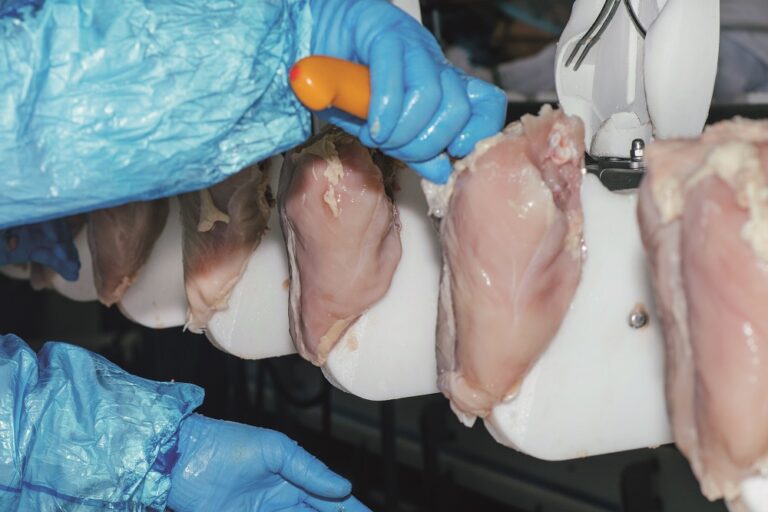
The global poultry sector has strengthened its position as a leading supplier of animal protein, with new figures showing people now consume around six times more chicken than they did in 1961.
The findings, published by the UN’s Food and Agriculture Organization (FAO), show that average global poultry supply increased from less than 3kg per person in 1961 to around 17kg in 2022. During the same period, total global meat supply rose from 25kg to 47kg per person, with chicken accounting for much of that growth.
The figures underline poultry’s increasing importance in meeting demand for affordable, accessible protein as populations grow and dietary preferences evolve across the world.
However, the FAO noted that access to animal protein remains uneven. “The regional distribution and access is still very unequal,” said Daniela Battaglia, Livestock Development Officer at the FAO and co-author of the report. She added that while consumption in high-income countries has remained relatively stable, “low-income countries are still constrained by the affordability of [animal products].”
The report also examines the environmental impacts associated with rising consumption of animal foods, prompting calls from some environmental groups for stronger recommendations on reducing meat intake in wealthier nations. However, the FAO report itself focuses on documenting global consumption trends and the role livestock products continue to play in food security and nutrition, while projecting that per-capita consumption of animal products will continue to increase.