

Poultry News
  • Production
    • Broiler Production
    • Ducks
    • Egg Production
    • Game
    • Hatching
    • Housing
    • Turkeys
  • Processing
  • Business & Politics
    • Business
    • Economics
    • EU & Politics
    • Marketing
    • People
    • Training & Education
  • Welfare
    • Environment
    • Food Safety
    • Vet & Medication
    • Welfare
  • Feed
  • Genetics
  • New Products
  • Magazines
    • February 2026
    • January 2026
    • December 2025
    • November 2025
    • October 2025
    • September 2025
    • 2025 Buildings supplement
    • August 2025
    • 2025 Poultry Health supplement
    • July 2025
    • 2025 National Egg and Poultry Awards finalists supplement
    • June 2025
    • 2025 Innovation supplement
    • May 2025
    • April 2025
    • March 2025
    • 2025 Feed and Nutrition supplement
    • February 2025
    • January 2025
    • December 2024
    • November 2024
    • October 2024
    • September 2024
    • 2024 Building for the Future supplement
    • August 2024
    • 2024 Poultry Health supplement
    • July 2024
    • 2024 National Egg and Poultry Awards finalists supplement
    • June 2024
    • 2024 Innovation supplement
    • Pig & Poultry Fair 2024
    • May 2024
    • April 2024
    • March 2024
    • February 2024
    • January 2024
    • December 2023
    • November 2023
    • Processing Equipment Supplement – Nov 2023
    • October 2023
    • Building Supplement – Sept 2023
    • September 2023
  • Jobs
    • Browse Jobs
    • Post a Job
    • Manage Jobs
  • Events
    • National Egg and Poultry Awards
    • Poultry Fair
    • Webinars
Twitter LinkedIn
  • FREE Email Newsletters
  • About Us
  • Advertise
  • Subscribe
  • Contact Us
Twitter LinkedIn
Podcast
Poultry News
  • Production
    • Broiler Production
    • Ducks
    • Egg Production
    • Game
    • Hatching
    • Housing
    • Turkeys
  • Processing
  • Business & Politics
    • Business
    • Economics
    • EU & Politics
    • Marketing
    • People
    • Training & Education
  • Welfare
    • Environment
    • Food Safety
    • Vet & Medication
    • Welfare
  • Feed
  • Genetics
  • New Products
  • Magazines
    1. February 2026
    2. January 2026
    3. December 2025
    4. November 2025
    5. October 2025
    6. September 2025
    7. 2025 Buildings supplement
    8. August 2025
    9. 2025 Poultry Health supplement
    10. July 2025
    11. 2025 National Egg and Poultry Awards finalists supplement
    12. June 2025
    13. 2025 Innovation supplement
    14. May 2025
    15. April 2025
    16. March 2025
    17. 2025 Feed and Nutrition supplement
    18. February 2025
    19. January 2025
    20. December 2024
    21. November 2024
    22. October 2024
    23. September 2024
    24. 2024 Building for the Future supplement
    25. August 2024
    26. 2024 Poultry Health supplement
    27. July 2024
    28. 2024 National Egg and Poultry Awards finalists supplement
    29. June 2024
    30. 2024 Innovation supplement
    31. Pig & Poultry Fair 2024
    32. May 2024
    33. April 2024
    34. March 2024
    35. February 2024
    36. January 2024
    37. December 2023
    38. November 2023
    39. Processing Equipment Supplement – Nov 2023
    40. October 2023
    41. Building Supplement – Sept 2023
    42. September 2023
    Featured

    Poultry Business – February 2026 issue out now

    By Chloe RyanFebruary 11, 2026
    Recent

    Poultry Business – February 2026 issue out now

    February 11, 2026

    Poultry Business – January 2026 issue out now

    January 13, 2026

    Poultry Business – December 2025 issue out now

    December 8, 2025
  • Jobs
    • Browse Jobs
    • Post a Job
    • Manage Jobs
  • Events
    • National Egg and Poultry Awards
    • Poultry Fair
    • Webinars
Twitter LinkedIn
Poultry News
Feed & Nutrition

The potential for pulses in poultry rations

Chloe RyanBy Chloe RyanMarch 11, 20265 Mins Read
Facebook Twitter LinkedIn Email
Share
Facebook Twitter LinkedIn Email

UK pulses can play huge part in solving poultry’s emission issues 

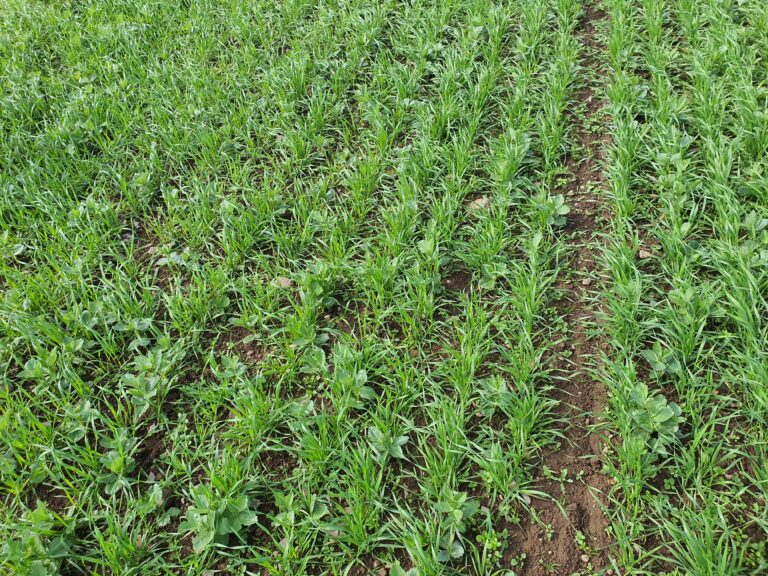
Increasing the rate at which pulses are included in poultry rations can play a huge role in reducing the sector’s greenhouse gas emissions, new UK research has shown.

Imported soya in both broiler and layer feed is the single greatest contributing factor to the industry’s CO₂ figures.

But work carried out over the past 18 months by partners of The Nitrogen Climate Smart (NCS) Project has shown that processed beans can be fed to birds at higher rates than previously thought.

Small-scale studies at SRUC in Scotland, and commercial trials run by feed company ABN have both concluded there is more room for beans.

The Andersons Centre calculates that if UK pulses made up 30% of poultry rations in the future, it would result in a saving of one million tonnes of carbon.

The work was presented at the cross-industry From Soya to Sustainability conference in Peterborough in January.

Meaningful progress 

Monogastric expert Professor Jos Houdijk from SRUC and ABN’s Senior Poultry Nutritionist, Brian Kenyon, provided updates on trials conducted as part of workstream four in the NCS project, which looks at how beans can be incorporated more into monogastric or specifically, poultry diets.

Professor Houdijk outlined feeding trials showing that post-harvest processing of beans can overcome previous limitations associated with higher bean inclusion in poultry rations.

Part of the work focused on layers, as earlier research suggested that 5–10% inclusion of whole beans could be achieved without compromising performance.

“Our question was: if we process the beans, can we increase that? Because if, through processing, we increase the nutritional value of the faba bean, we should, in theory, be able to replace more soybean,” Prof Houdijk says.

“When we feed more beans to poultry, we get a dent in production efficiency because the animal can’t digest it,” Prof Houdijk reveals. “But when we de-hull or de-hull and toast beans, that dent is taken away.

“This work tells us that, both in broilers and in laying hens, processing beans helps us increase the soya replacement potential of faba beans.”

The trial diets included whole beans, de-hulled beans, and de-hulled and toasted beans, fed at inclusion rates of 10%, 20% and 30%.

“From a purely pragmatic point of view, the biggest win came from the de-hulling,” Prof Houdijk says. “Whether toasting provides significant extra benefits is something to be discussed further, although the data currently suggests the extra benefit is probably relatively small.”

One interesting observation was that feeding poultry faba beans resulted in darker yolks, particularly when they were toasted.

“Consumers like darker yolks, so it may well be that these eggs could demand higher prices,” he adds.

Broilers and layers

ABN’s Senior Poultry Nutritionist, Brian Kenyon, has extrapolated this work into commercial broiler and laying flocks.

“We’re getting more confident in using beans to feed poultry and livestock. It’s not unusual to use it in a diet, but what we’re doing is increasing the level. Even boosting inclusion from 5% to 10% of the poultry diet is going to have a significant impact on the carbon emissions from UK agriculture.”

The broiler trial achieved an average 27% reduction in soya content and a 14% reduction in carbon emissions with a 10% pulse inclusion. The layer trial, despite some challenges, reached a 7.5% pulse inclusion and delivered a 24–26% reduction in soya content.

Further work using de-hulled beans in a free-range egg flock, compared with a control flock fed a conventional soya-based ration, has also produced positive outcomes.

“There has been no real impact on egg size from introducing beans into the ration, and everything is looking good,” he says.

A large-scale trial involving 80,000 broilers fed de-hulled beans is ongoing, with early results indicating a 20% reduction in soya use and an 11% reduction in carbon emissions.

“We’ve also got on the ground a series of broiler trials looking at an extruded bean and OSR product. So, instead of 50/50, we’re pushing the pulse content to 90/10, so really pushing the pulse component part of the diet.”

Achievable targets

The conference heard how a combination of science, applied research, farmer-led trials and growing supply chain engagement is creating the right conditions for a major shift towards domestic pulse production.

Notable progress has been made in key areas of the supply chain where, previously, doubts had been cast on whether unsustainable proteins, such as uncertified South American soya, could ever be replaced.

This work forms part of the Nitrogen Efficient Plants for Climate Smart Arable Cropping Systems Project, a four-year, £5.9M research programme involving 200 UK farms and 17 partner organisations. The project aims to deliver a reduction of 3.4Mt CO₂e per year by increasing pulse and legume crops to 20% of arable rotations across the UK and replacing 50% of imported soya meal in livestock rations with home-grown legumes.

Share. Facebook Twitter LinkedIn Email
Previous ArticleBritish Lion retains top spot as UK’s most recognised food assurance mark
Chloe Ryan

Editor of Poultry Business, Chloe has spent the past decade writing about the food industry from farming, through manufacturing, retail and foodservice. When not working, dog walking and reading biographies are her favourite hobbies.

Read Similar Stories

Feed & Nutrition

Building better layers

March 10, 20264 Mins Read
News

Sector resilience in focus at NFU conference poultry session

February 27, 20263 Mins Read
Genetics

Aviagen’s Rustic Rowan breed accepted by RSPCA Assured

February 19, 20261 Min Read
Latest News

The potential for pulses in poultry rations

March 11, 2026

British Lion retains top spot as UK’s most recognised food assurance mark

March 11, 2026

The Campylobacter Conundrum

March 10, 2026
Sponsored Content

Stay one step ahead of outbreaks

December 3, 2025

Can Aviance improve production and shell quality in full laying cycle?

October 1, 2025
© 2024 MA Agriculture Ltd, a Mark Allen Group company

Privacy Policy | Cookies Policy | Terms & Conditions

  • Farmers Weekly
  • AA Farmer
  • Farm Contractor
  • Pig World

Type above and press Enter to search. Press Esc to cancel.