

Poultry News
  • Production
    • Broiler Production
    • Ducks
    • Egg Production
    • Game
    • Hatching
    • Housing
    • Turkeys
  • Processing
  • Business & Politics
    • Business
    • Economics
    • EU & Politics
    • Marketing
    • People
    • Training & Education
  • Welfare
    • Environment
    • Food Safety
    • Vet & Medication
    • Welfare
  • Feed
  • Genetics
  • New Products
  • Magazines
    • March 2026
    • 2026 Feed & Nutrition supplement
    • February 2026
    • January 2026
    • December 2025
    • November 2025
    • October 2025
    • September 2025
    • 2025 Buildings supplement
    • August 2025
    • 2025 Poultry Health supplement
    • July 2025
    • 2025 National Egg and Poultry Awards finalists supplement
    • June 2025
    • 2025 Innovation supplement
    • May 2025
    • April 2025
    • March 2025
    • 2025 Feed and Nutrition supplement
    • February 2025
    • January 2025
    • December 2024
    • November 2024
    • October 2024
    • September 2024
    • 2024 Building for the Future supplement
    • August 2024
    • 2024 Poultry Health supplement
    • July 2024
    • 2024 National Egg and Poultry Awards finalists supplement
    • June 2024
    • 2024 Innovation supplement
    • Pig & Poultry Fair 2024
    • May 2024
    • April 2024
    • March 2024
    • February 2024
    • January 2024
    • December 2023
    • November 2023
    • Processing Equipment Supplement – Nov 2023
    • October 2023
    • Building Supplement – Sept 2023
    • September 2023
  • Jobs
    • Browse Jobs
    • Post a Job
    • Manage Jobs
  • Events
    • National Egg and Poultry Awards
    • Poultry Fair
    • Webinars
Twitter LinkedIn
  • FREE Email Newsletters
  • About Us
  • Advertise
  • Subscribe
  • Contact Us
Twitter LinkedIn
Podcast
Poultry News
  • Production
    • Broiler Production
    • Ducks
    • Egg Production
    • Game
    • Hatching
    • Housing
    • Turkeys
  • Processing
  • Business & Politics
    • Business
    • Economics
    • EU & Politics
    • Marketing
    • People
    • Training & Education
  • Welfare
    • Environment
    • Food Safety
    • Vet & Medication
    • Welfare
  • Feed
  • Genetics
  • New Products
  • Magazines
    1. March 2026
    2. 2026 Feed & Nutrition supplement
    3. February 2026
    4. January 2026
    5. December 2025
    6. November 2025
    7. October 2025
    8. September 2025
    9. 2025 Buildings supplement
    10. August 2025
    11. 2025 Poultry Health supplement
    12. July 2025
    13. 2025 National Egg and Poultry Awards finalists supplement
    14. June 2025
    15. 2025 Innovation supplement
    16. May 2025
    17. April 2025
    18. March 2025
    19. 2025 Feed and Nutrition supplement
    20. February 2025
    21. January 2025
    22. December 2024
    23. November 2024
    24. October 2024
    25. September 2024
    26. 2024 Building for the Future supplement
    27. August 2024
    28. 2024 Poultry Health supplement
    29. July 2024
    30. 2024 National Egg and Poultry Awards finalists supplement
    31. June 2024
    32. 2024 Innovation supplement
    33. Pig & Poultry Fair 2024
    34. May 2024
    35. April 2024
    36. March 2024
    37. February 2024
    38. January 2024
    39. December 2023
    40. November 2023
    41. Processing Equipment Supplement – Nov 2023
    42. October 2023
    43. Building Supplement – Sept 2023
    44. September 2023
    Featured

    Poultry Business – March 2026 issue out now

    By Chloe RyanMarch 11, 2026
    Recent

    Poultry Business – March 2026 issue out now

    March 11, 2026

    Poultry Business – 2026 Feed & Nutrition supplement out now

    March 11, 2026

    Poultry Business – February 2026 issue out now

    February 11, 2026
  • Jobs
    • Browse Jobs
    • Post a Job
    • Manage Jobs
  • Events
    • National Egg and Poultry Awards
    • Poultry Fair
    • Webinars
Twitter LinkedIn
Poultry News
Health & Welfare

Housing measures introduced in parts of Yorkshire and the East as avian flu cases increase

Chloe RyanBy Chloe RyanDecember 27, 20244 Mins Read
Facebook Twitter LinkedIn Email
Share
Facebook Twitter LinkedIn Email

New mandatory housing measures for kept birds have been introduced across East Riding of Yorkshire, City of Kingston Upon Hull, Lincolnshire, Norfolk and Suffolk, following a decision by ministers after advice from the United Kingdom’s Chief Veterinary Officer.

These enhanced measures are in response to the escalating local risk and number of cases of bird flu in the area and are in force from 23 December.

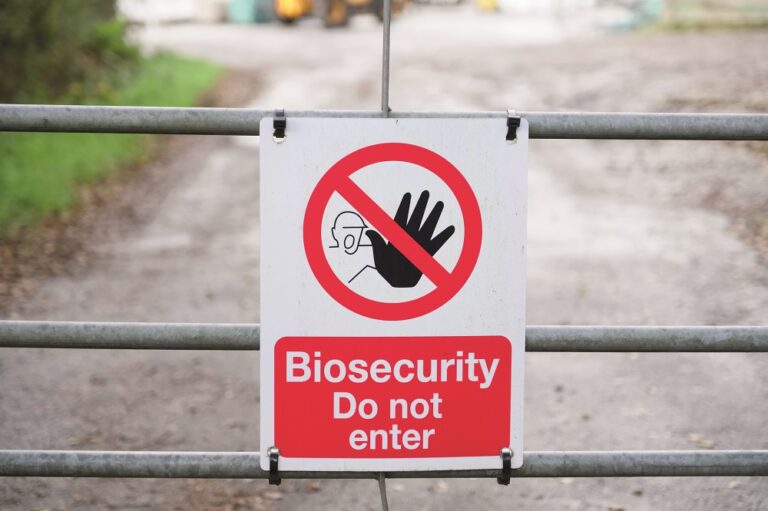
The housing order is in addition the requirement to follow the stringent biosecurity measures which have been in force across the area since the 13 December as part of the Avian Influenza Prevention Zone (AIPZ).

UK Chief Veterinary Officer Christine Middlemiss said: “There continues to be a growing number of bird flu cases on commercial farms and in backyard birds across East Riding of Yorkshire, City of Kingston Upon Hull, Lincolnshire, Norfolk and Suffolk. We have taken action to try and prevent the further spread of disease and urge bird keepers to comply with the new housing measures.”

Bird keepers must continue to exercise robust biosecurity measures, remain alert for any signs of disease and report suspected disease immediately to the Animal and Plant Health Agency.

The Chief Veterinary Officer is now encouraging all bird keepers in the affected regions to take action now to comply with the new mandatory housing measures and protect the health of their birds, including taking steps to safeguard animal welfare. Keepers should consult their private vet and expand and enhance housing where necessary. In addition to areas where an AIPZ including housing is in force, in order to mitigate the risk of disease spread, mandatory housing for all poultry and other captive birds also applies in any 3km Protection Zone in force surrounding infected premises.

The new housing measures build on the strengthened biosecurity measures that were brought in as part of the AIPZ last week, covering the East Riding of Yorkshire, City of Kingston Upon Hull, Lincolnshire, Norfolk and Suffolk. The AIPZ means that all bird keepers need to take extra precautions, such as restricting access for non-essential people on site, ensuring workers change clothing and footwear before entering bird enclosures and cleaning and disinfecting vehicles regularly to limit the risk of the disease spreading.

A high standard of biosecurity, separation of poultry from wild birds including through housing in the areas of highest risk, heightened vigilance by bird keepers, and regular monitoring for signs of disease remain the most effective means of controlling an outbreak of bird flu and protecting flocks both in the area and across the country from bird flu.

The prevention measures introduced through an AIPZ are introduced in a phased and escalating manner proportionate to the escalating risk to an area. The need for AIPZs is kept under regular review as part of the government’s work to monitor and manage the risks of bird flu. Any decisions on when to reintroduce a national or further regional AIPZs or extend AIPZs to include housing measures are based on risk assessments built on the latest scientific and ornithological evidence and veterinary advice.

The housing measure means bird keepers in the affected area must:

  • house all poultry and captive birds (except in specific circumstances e.g. zoo birds)
  • keep feed and bedding inside
  • cleanse and disinfect clothing, footwear, equipment and vehicles before and after contact with poultry and captive birds– if practical, use disposable protective clothing
  • reduce the movement of people, vehicles or equipment to and from areas where poultry and captive birds are kept, to minimise contamination from manure, slurry and other products
  • carry out effective vermin control in any areas where poultry and captive birds are kept
  • thoroughly cleanse and disinfect housing and concrete walkways on a continuous basis
  • keep fresh disinfectant at the right concentration at all farm and poultry housing entry and exit points
  • make your premises unattractive to wild birds (e.g. use bird scarers, foils or streamers)


Share. Facebook Twitter LinkedIn Email
Previous ArticlePrime minister defends farm tax in face of liaison committee grilling
Next Article Farmer protests to ramp up over inheritance tax, with new event planned for January
Chloe Ryan

Editor of Poultry Business, Chloe has spent the past decade writing about the food industry from farming, through manufacturing, retail and foodservice. When not working, dog walking and reading biographies are her favourite hobbies.

Read Similar Stories

Health & Welfare

The Campylobacter Conundrum

March 10, 20265 Mins Read
Health & Welfare

Producers urged to act as AI cases continue to rise

March 6, 20262 Mins Read
Health & Welfare

New avian influenza vaccine trials begin in UK

March 5, 20263 Mins Read
Latest News

Comment: There is an unfamiliar yellow disc in the sky

March 13, 2026

Comment: The good AI and the bad AI

March 13, 2026

Hugh Carter’s carbon journey

March 12, 2026
Sponsored Content

Stay one step ahead of outbreaks

December 3, 2025

Can Aviance improve production and shell quality in full laying cycle?

October 1, 2025
© 2024 MA Agriculture Ltd, a Mark Allen Group company

Privacy Policy | Cookies Policy | Terms & Conditions

  • Farmers Weekly
  • AA Farmer
  • Farm Contractor
  • Pig World

Type above and press Enter to search. Press Esc to cancel.