


Poultry News
  • Production
    • Broiler Production
    • Ducks
    • Egg Production
    • Game
    • Hatching
    • Housing
    • Turkeys
  • Processing
  • Business & Politics
    • Business
    • Economics
    • EU & Politics
    • Marketing
    • People
    • Training & Education
  • Welfare
    • Environment
    • Food Safety
    • Vet & Medication
    • Welfare
  • Feed
  • Genetics
  • New Products
  • Magazines
    • January 2026
    • December 2025
    • November 2025
    • October 2025
    • September 2025
    • 2025 Buildings supplement
    • August 2025
    • 2025 Poultry Health supplement
    • July 2025
    • 2025 National Egg and Poultry Awards finalists supplement
    • June 2025
    • 2025 Innovation supplement
    • May 2025
    • April 2025
    • March 2025
    • 2025 Feed and Nutrition supplement
    • February 2025
    • January 2025
    • December 2024
    • November 2024
    • October 2024
    • September 2024
    • 2024 Building for the Future supplement
    • August 2024
    • 2024 Poultry Health supplement
    • July 2024
    • 2024 National Egg and Poultry Awards finalists supplement
    • June 2024
    • 2024 Innovation supplement
    • Pig & Poultry Fair 2024
    • May 2024
    • April 2024
    • March 2024
    • February 2024
    • January 2024
    • December 2023
    • November 2023
    • Processing Equipment Supplement – Nov 2023
    • October 2023
    • Building Supplement – Sept 2023
    • September 2023
  • Jobs
    • Browse Jobs
    • Post a Job
    • Manage Jobs
  • Events
    • National Egg and Poultry Awards
    • Poultry Fair
    • Webinars
Twitter LinkedIn
  • FREE Email Newsletters
  • About Us
  • Advertise
  • Subscribe
  • Contact Us
Twitter LinkedIn
Podcast
Poultry News
  • Production
    • Broiler Production
    • Ducks
    • Egg Production
    • Game
    • Hatching
    • Housing
    • Turkeys
  • Processing
  • Business & Politics
    • Business
    • Economics
    • EU & Politics
    • Marketing
    • People
    • Training & Education
  • Welfare
    • Environment
    • Food Safety
    • Vet & Medication
    • Welfare
  • Feed
  • Genetics
  • New Products
  • Magazines
    1. January 2026
    2. December 2025
    3. November 2025
    4. October 2025
    5. September 2025
    6. 2025 Buildings supplement
    7. August 2025
    8. 2025 Poultry Health supplement
    9. July 2025
    10. 2025 National Egg and Poultry Awards finalists supplement
    11. June 2025
    12. 2025 Innovation supplement
    13. May 2025
    14. April 2025
    15. March 2025
    16. 2025 Feed and Nutrition supplement
    17. February 2025
    18. January 2025
    19. December 2024
    20. November 2024
    21. October 2024
    22. September 2024
    23. 2024 Building for the Future supplement
    24. August 2024
    25. 2024 Poultry Health supplement
    26. July 2024
    27. 2024 National Egg and Poultry Awards finalists supplement
    28. June 2024
    29. 2024 Innovation supplement
    30. Pig & Poultry Fair 2024
    31. May 2024
    32. April 2024
    33. March 2024
    34. February 2024
    35. January 2024
    36. December 2023
    37. November 2023
    38. Processing Equipment Supplement – Nov 2023
    39. October 2023
    40. Building Supplement – Sept 2023
    41. September 2023
    Featured

    Poultry Business – January 2026 issue out now

    By Chloe RyanJanuary 13, 2026
    Recent

    Poultry Business – January 2026 issue out now

    January 13, 2026

    Poultry Business – December 2025 issue out now

    December 8, 2025

    Poultry Business – November 2025 issue out now

    November 9, 2025
  • Jobs
    • Browse Jobs
    • Post a Job
    • Manage Jobs
  • Events
    • National Egg and Poultry Awards
    • Poultry Fair
    • Webinars
Twitter LinkedIn
Poultry News
Egg Production

Why gut and liver health is crucial to hen longevity

Chloe RyanBy Chloe RyanMay 7, 20244 Mins Read
Facebook Twitter LinkedIn Email
Share
Facebook Twitter LinkedIn Email

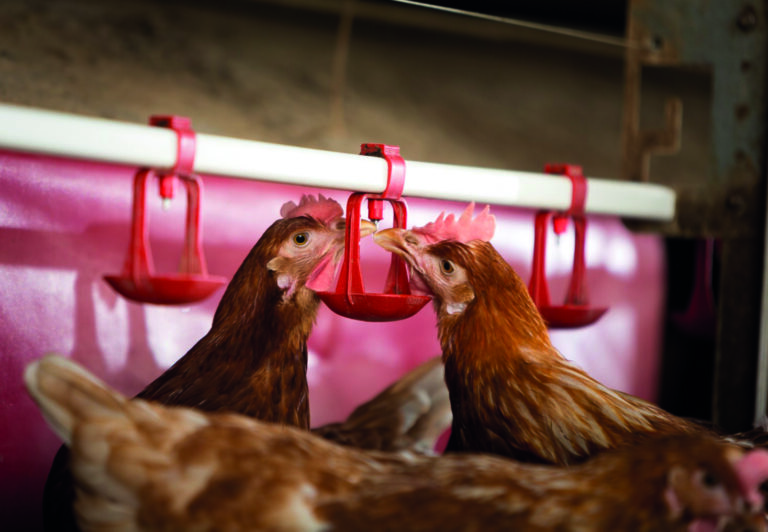
Extending the duration of lay to keep laying hens longer is a proven way to reduce the carbon footprint of egg production through increased lifetime performance.

“To achieve a longer laying cycle and increase efficiency it is important to improve feed and feeding techniques,” says Chloe Paine, poultry technical manager at Trouw Nutrition GB.  “In layer production, the majority of greenhouse gas emissions are linked to feed formulation.  Understanding the environmental footprint of poultry feed enables farms and feed mills to optimise their operations and reduce overall impact, but this cannot be assessed in isolation.”

To drive down carbon footprint (CO2/kg egg), Paine stresses it is essential to also improve production efficiency.  While the most direct way of reducing the impact of egg production is through the feed, the nutrients in this feed need to be absorbed by the bird and used efficiently for optimal production.  Maintaining high levels of gut health and liver health are key to this.”

Paine says layer hen longevity involves a multifactorial approach beyond feed formulation.  All nutrients used by the bird are absorbed through the gut.  Anything that compromises gut health will reduce performance and feed efficiency.

“A healthy gut ensures optimal nutrient and mineral absorption and is essential for shell quality.  Supporting gut health through various options is good practice.  For example, incorporating organic acids into poultry feed may reduce enteric infections in addition to aiding feed decontamination.  Organic acids have the ability to penetrate the cell membrane of bacteria and interfere with the regular functions of specific types of bacteria, such as Salmonella species, E. Coli or Clostridium species.  They also enhance food digestibility, by boosting endogenous digestive enzyme production and activity.”

Digestive and nutritional absorption are impacted when gut health is compromised, which may have a negative impact on feed conversion.  There is also a greater risk to poor skeletal health, calcium deficiency, and decreased eggshell weight that leads to weaker and thinner shells, she adds.

A stable, diverse microbiota and strong gut wall are important for gut health.  Trouw Nutrition solution Presan-FY offers an integrated approach to gut health by helping stabilise the resident microflora population whilst simultaneously boosting gut barrier integrity and function.  It includes the optimal combination of medium chain fatty acids and organic acids to bolster the function of the intestinal barrier and stabilize the microbiota.

Maintaining high-quality egg production throughout an extended laying cycle also requires an efficiently functioning liver.  The liver is a vital organ that is involved in a wide range of functions.  These include the metabolism of fat, carbohydrate, protein, vitamins and minerals, and the removal and detoxification of waste products.  The liver is also involved in part of the activation of feed fed vitamin D3 into its active form.  The active form of Vit D3 is essential in the bird’s calcium mobilisation cycle.

“Any problem that affects the integrity of the liver will have an adverse effect on the action of vitamin D3, calcium absorption and metabolism and ultimately eggshell quality.

Managing mycotoxins is a particularly important management task.  Aflatoxin and ochratoxin attack the liver and kidneys respectively, reducing vitamin D metabolism. This reduces the bird’s ability to absorb calcium from the diet and transport it to the shell gland and medullary bones.  Mycotoxins have been linked to lower eggshell strength related to the impairment of calcium, zinc and D3 metabolism.

Highly pure smectite clays, the foundation of Trouw Nutrition’s mycotoxin risk management program, effectively lower the bioavailability of a wide range of mycotoxins. They do this by stopping mycotoxins from entering the hens’ digestive systems where they can have negative effects. Additionally, the use of refined ß-glucans and glucose biopolymers stimulates the immune system and the function of the intestinal barrier.

“By ensuring layers have high levels of gut and liver health, it will be possible to extend productive life, improve feed efficiency and reduce the carbon footprint of egg production,” Paine says.

Share. Facebook Twitter LinkedIn Email
Previous ArticleNFU survey shows collapse in farmer confidence
Next Article Aviagen’s Rustic Gold breed accepted into RSPCA Assured scheme
Chloe Ryan

Editor of Poultry Business, Chloe has spent the past decade writing about the food industry from farming, through manufacturing, retail and foodservice. When not working, dog walking and reading biographies are her favourite hobbies.

Read Similar Stories

Egg Production

Industry warns of risks to farmers and consumers of phasing out hen cages

January 14, 20263 Mins Read
Egg Production

Interview: Bex Tonks, St Ewe Free Range Eggs

January 14, 202611 Mins Read
Broiler Production

Comment: Will this be the year we get a grip on avian flu?

January 13, 20262 Mins Read
Latest News

Focus on water, humans and rodents when managing avian influenza risk this winter

January 15, 2026

Comment: A modern day ‘pen and sword’

January 15, 2026

Industry warns of risks to farmers and consumers of phasing out hen cages

January 14, 2026
Sponsored Content

Stay one step ahead of outbreaks

December 3, 2025

Can Aviance improve production and shell quality in full laying cycle?

October 1, 2025
© 2024 MA Agriculture Ltd, a Mark Allen Group company

Privacy Policy | Cookies Policy | Terms & Conditions

  • Farmers Weekly
  • AA Farmer
  • Farm Contractor
  • Pig World

Type above and press Enter to search. Press Esc to cancel.