


Poultry News
  • Production
    • Broiler Production
    • Ducks
    • Egg Production
    • Game
    • Hatching
    • Housing
    • Turkeys
  • Processing
  • Business & Politics
    • Business
    • Economics
    • EU & Politics
    • Marketing
    • People
    • Training & Education
  • Welfare
    • Environment
    • Food Safety
    • Vet & Medication
    • Welfare
  • Feed
  • Genetics
  • New Products
  • Magazines
    • February 2026
    • January 2026
    • December 2025
    • November 2025
    • October 2025
    • September 2025
    • 2025 Buildings supplement
    • August 2025
    • 2025 Poultry Health supplement
    • July 2025
    • 2025 National Egg and Poultry Awards finalists supplement
    • June 2025
    • 2025 Innovation supplement
    • May 2025
    • April 2025
    • March 2025
    • 2025 Feed and Nutrition supplement
    • February 2025
    • January 2025
    • December 2024
    • November 2024
    • October 2024
    • September 2024
    • 2024 Building for the Future supplement
    • August 2024
    • 2024 Poultry Health supplement
    • July 2024
    • 2024 National Egg and Poultry Awards finalists supplement
    • June 2024
    • 2024 Innovation supplement
    • Pig & Poultry Fair 2024
    • May 2024
    • April 2024
    • March 2024
    • February 2024
    • January 2024
    • December 2023
    • November 2023
    • Processing Equipment Supplement – Nov 2023
    • October 2023
    • Building Supplement – Sept 2023
    • September 2023
  • Jobs
    • Browse Jobs
    • Post a Job
    • Manage Jobs
  • Events
    • National Egg and Poultry Awards
    • Poultry Fair
    • Webinars
Twitter LinkedIn
  • FREE Email Newsletters
  • About Us
  • Advertise
  • Subscribe
  • Contact Us
Twitter LinkedIn
Podcast
Poultry News
  • Production
    • Broiler Production
    • Ducks
    • Egg Production
    • Game
    • Hatching
    • Housing
    • Turkeys
  • Processing
  • Business & Politics
    • Business
    • Economics
    • EU & Politics
    • Marketing
    • People
    • Training & Education
  • Welfare
    • Environment
    • Food Safety
    • Vet & Medication
    • Welfare
  • Feed
  • Genetics
  • New Products
  • Magazines
    1. February 2026
    2. January 2026
    3. December 2025
    4. November 2025
    5. October 2025
    6. September 2025
    7. 2025 Buildings supplement
    8. August 2025
    9. 2025 Poultry Health supplement
    10. July 2025
    11. 2025 National Egg and Poultry Awards finalists supplement
    12. June 2025
    13. 2025 Innovation supplement
    14. May 2025
    15. April 2025
    16. March 2025
    17. 2025 Feed and Nutrition supplement
    18. February 2025
    19. January 2025
    20. December 2024
    21. November 2024
    22. October 2024
    23. September 2024
    24. 2024 Building for the Future supplement
    25. August 2024
    26. 2024 Poultry Health supplement
    27. July 2024
    28. 2024 National Egg and Poultry Awards finalists supplement
    29. June 2024
    30. 2024 Innovation supplement
    31. Pig & Poultry Fair 2024
    32. May 2024
    33. April 2024
    34. March 2024
    35. February 2024
    36. January 2024
    37. December 2023
    38. November 2023
    39. Processing Equipment Supplement – Nov 2023
    40. October 2023
    41. Building Supplement – Sept 2023
    42. September 2023
    Featured

    Poultry Business – February 2026 issue out now

    By Chloe RyanFebruary 11, 2026
    Recent

    Poultry Business – February 2026 issue out now

    February 11, 2026

    Poultry Business – January 2026 issue out now

    January 13, 2026

    Poultry Business – December 2025 issue out now

    December 8, 2025
  • Jobs
    • Browse Jobs
    • Post a Job
    • Manage Jobs
  • Events
    • National Egg and Poultry Awards
    • Poultry Fair
    • Webinars
Twitter LinkedIn
Poultry News
Health & Welfare

Keep red mite front of mind during housing order

Chloe RyanBy Chloe RyanNovember 25, 20223 Mins Read
Facebook Twitter LinkedIn Email
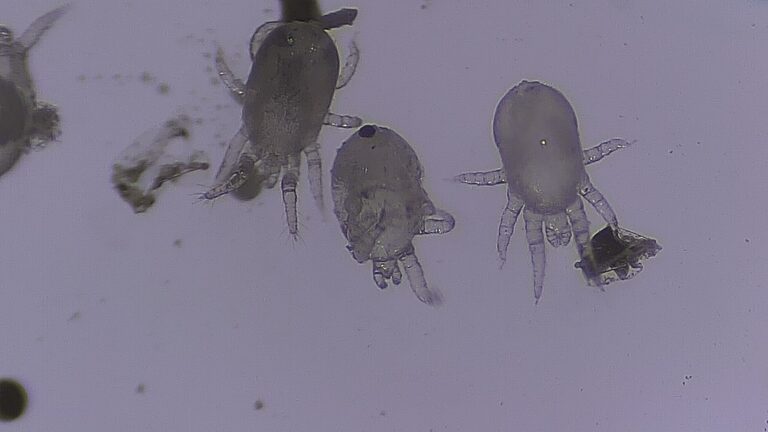
Red mite. Photo credit: MSD Animal Health
Share
Facebook Twitter LinkedIn Email

Poultry producers are being urged to continue monitoring for red mite among flocks during the housing order in England.

“Normally, during the winter period when the weather is cooler, red mite activity declines,” said Katie Pitman, technical poultry manager at MSD Animal Health UK. “However, with the housing order requiring birds to be kept indoors at all times, with pop holes closed, this creates favourable conditions for red mite populations to thrive.”

“The birds will already be stressed due to being permanently housed, and so producers don’t want to add to this pressure by not keeping on top of red mite,” said Pitman.

Birds affected by red mite can display restlessness, weight loss and a drop in egg production and quality. In extreme cases the parasite may also cause anaemia and mortality.

Additionally, red mite suppresses a bird’s immune system, meaning chickens affected by high infestations are more susceptible to other infections.

Producers should not rely on birds displaying symptoms as an indicator of a red mite infestation. “Red mite are typically more active at nighttime and often feed when the house lights are off, making it hard to visually assess whether you have an issue. Producers should place traps to accurately quantify the threat to flocks,” said Pitman.

Producers can create their own simple red mite traps made from corrugated card which is rolled up and inserted into a plastic tube, similar in diameter to a water pipe. They should be placed strategically around the shed where red mite are likely to travel at night, such as near nesting boxes or perches.

After 48 hours, the traps can be collected, put into individual bags, and placed in the freezer for a further 48 hours to kill the mites, making it easier to count the number of mites.

There are various thresholds to be aware of when monitoring red mite which indicate levels of infestation. Producers are advised to speak to a veterinary professional for advice on treatment if infestation levels are deemed high. A suitable product can then be recommended, along with other management tools.

“It’s recommended that monitoring is continued throughout the period the housing order is in place because by the time an infestation is noticeable, it’s likely that flock productivity and welfare have already been compromised,” said Pitman.

Alongside monitoring, proactive biosecurity measures are essential to help prevent red mite infestations from spreading in the first place. For example, keeping equipment clean and avoiding sharing of equipment between poultry sheds is advised. Providing clean footwear and overalls for all team members to wear in each shed and limiting external visitors on the site should also be considered.


Share. Facebook Twitter LinkedIn Email
Previous ArticleNoble Foods announces new price increase for egg producers
Next Article Aldi increases price paid to egg producers by £12.5 million
Chloe Ryan

Editor of Poultry Business, Chloe has spent the past decade writing about the food industry from farming, through manufacturing, retail and foodservice. When not working, dog walking and reading biographies are her favourite hobbies.

Read Similar Stories

Health & Welfare

Focus on vets: Taking the temperature

February 10, 20268 Mins Read
Health & Welfare

Free-range egg producers urged to invest in disease mitigation measures

February 2, 20263 Mins Read
Health & Welfare

Avian flu cases reach 93

February 2, 20262 Mins Read
Latest News

Unilever steps away from global cage-free commitments citing supply chain challenges

February 13, 2026

Comment: People make this industry so special

February 12, 2026

Comment: Winter puts real pressure on chick quality

February 12, 2026
Sponsored Content

Stay one step ahead of outbreaks

December 3, 2025

Can Aviance improve production and shell quality in full laying cycle?

October 1, 2025
© 2024 MA Agriculture Ltd, a Mark Allen Group company

Privacy Policy | Cookies Policy | Terms & Conditions

  • Farmers Weekly
  • AA Farmer
  • Farm Contractor
  • Pig World

Type above and press Enter to search. Press Esc to cancel.