


Poultry News
  • Production
    • Broiler Production
    • Ducks
    • Egg Production
    • Game
    • Hatching
    • Housing
    • Turkeys
  • Processing
  • Business & Politics
    • Business
    • Economics
    • EU & Politics
    • Marketing
    • People
    • Training & Education
  • Welfare
    • Environment
    • Food Safety
    • Vet & Medication
    • Welfare
  • Feed
  • Genetics
  • New Products
  • Magazines
    • June 2026
    • 2026 Innovation Supplement
    • 2026 British Pig & Poultry Fair guide
    • May 2026
    • March 2026
    • 2026 Feed & Nutrition supplement
    • February 2026
    • January 2026
    • December 2025
    • November 2025
    • October 2025
    • September 2025
    • 2025 Buildings supplement
    • August 2025
    • 2025 Poultry Health supplement
    • July 2025
    • 2025 National Egg and Poultry Awards finalists supplement
    • June 2025
    • 2025 Innovation supplement
    • May 2025
    • April 2025
    • March 2025
    • 2025 Feed and Nutrition supplement
    • February 2025
    • January 2025
    • December 2024
    • November 2024
    • October 2024
    • September 2024
    • 2024 Building for the Future supplement
    • August 2024
    • 2024 Poultry Health supplement
    • July 2024
    • 2024 National Egg and Poultry Awards finalists supplement
    • June 2024
    • 2024 Innovation supplement
    • Pig & Poultry Fair 2024
    • May 2024
    • April 2024
    • March 2024
    • February 2024
    • January 2024
    • December 2023
    • November 2023
    • Processing Equipment Supplement – Nov 2023
    • October 2023
    • Building Supplement – Sept 2023
    • September 2023
  • Jobs
    • Browse Jobs
    • Post a Job
    • Manage Jobs
  • Events
    • National Egg and Poultry Awards
    • Poultry Fair
    • Webinars
Twitter LinkedIn
  • FREE Email Newsletters
  • About Us
  • Advertise
  • Subscribe
  • Contact Us
Twitter LinkedIn
Podcast
Poultry News
  • Production
    • Broiler Production
    • Ducks
    • Egg Production
    • Game
    • Hatching
    • Housing
    • Turkeys
  • Processing
  • Business & Politics
    • Business
    • Economics
    • EU & Politics
    • Marketing
    • People
    • Training & Education
  • Welfare
    • Environment
    • Food Safety
    • Vet & Medication
    • Welfare
  • Feed
  • Genetics
  • New Products
  • Magazines
    1. June 2026
    2. 2026 Innovation Supplement
    3. 2026 British Pig & Poultry Fair guide
    4. May 2026
    5. March 2026
    6. 2026 Feed & Nutrition supplement
    7. February 2026
    8. January 2026
    9. December 2025
    10. November 2025
    11. October 2025
    12. September 2025
    13. 2025 Buildings supplement
    14. August 2025
    15. 2025 Poultry Health supplement
    16. July 2025
    17. 2025 National Egg and Poultry Awards finalists supplement
    18. June 2025
    19. 2025 Innovation supplement
    20. May 2025
    21. April 2025
    22. March 2025
    23. 2025 Feed and Nutrition supplement
    24. February 2025
    25. January 2025
    26. December 2024
    27. November 2024
    28. October 2024
    29. September 2024
    30. 2024 Building for the Future supplement
    31. August 2024
    32. 2024 Poultry Health supplement
    33. July 2024
    34. 2024 National Egg and Poultry Awards finalists supplement
    35. June 2024
    36. 2024 Innovation supplement
    37. Pig & Poultry Fair 2024
    38. May 2024
    39. April 2024
    40. March 2024
    41. February 2024
    42. January 2024
    43. December 2023
    44. November 2023
    45. Processing Equipment Supplement – Nov 2023
    46. October 2023
    47. Building Supplement – Sept 2023
    48. September 2023
    Featured

    Poultry Business – June 2026 issue out now

    By Chloe RyanJune 8, 2026
    Recent

    Poultry Business – June 2026 issue out now

    June 8, 2026

    2026 Innovation Supplement out now

    June 8, 2026

    2026 British Pig & Poultry Fair guide out now

    May 13, 2026
  • Jobs
    • Browse Jobs
    • Post a Job
    • Manage Jobs
  • Events
    • National Egg and Poultry Awards
    • Poultry Fair
    • Webinars
Twitter LinkedIn
Poultry News
Health & Welfare

New report shows 20 year trend in antimicrobial resistance in campylobacter in chicken

Chloe RyanBy Chloe RyanOctober 3, 20222 Mins Read
Facebook Twitter LinkedIn Email
Share
Facebook Twitter LinkedIn Email

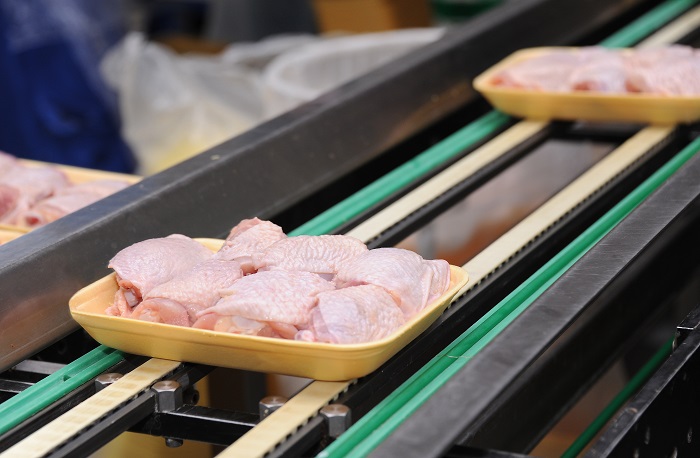
The Food Standards Agency (FSA) has published a report analysing 20 years of data on antimicrobial resistance (AMR) in Campylobacter from retail chicken in the UK.

The study aimed to assess any trends during this 20-year period and provides a baseline against which to evaluate future, hoped-for reductions in AMR.

AMR is when bacteria adapt to become resistant to the killing effects of antimicrobials, such as antibiotics. This resistance subsequently makes such infections in humans more difficult to treat using drugs.  AMR can develop in any bacteria, including Campylobacter. Campylobacter is the main cause of bacterial food poisoning in the developed world and it is estimated that there are in excess of half a million cases annually in the UK.

The FSA’s Science lead in Microbiological Risk Assessment, Dr Paul Cook, said: “While the data shows a marked increase in AMR in Campylobacter to certain antimicrobials, it is encouraging that there has been no significant increase in resistance since 2014.

“Any increase of AMR in Campylobacter is a concern and continued surveillance is essential. We will continue to carry out AMR surveillance in chicken and other meats and to monitor any long-term trends in resistance, while promoting good food hygiene practice to reduce exposure to AMR bacteria and protect consumer safety.”

Since its formation in 2000, the FSA has commissioned several UK-wide retail surveys and sampling studies that involved testing for Campylobacter in chicken. A significant proportion of the Campylobacter isolates detected were further tested to assess resistance to a range of antimicrobials.

Key findings from the report vary between the five main types of antimicrobial drugs included in the study. Resistance to quinolones (ciprofloxacin and nalidixic acid) and tetracycline was common in the most prevalent types of Campylobacter from chicken (Campylobacter jejuni and Campylobacter coli). In comparison, resistance to erythromycin and streptomycin was much rarer in the Campylobacter isolates examined.  Gentamicin resistance was very rare.

Share. Facebook Twitter LinkedIn Email
Previous ArticleBanham Poultry fined £300,000 for ‘chronic’ odour pollution
Next Article Comment: We need a national housing order
Chloe Ryan

Editor of Poultry Business, Chloe has spent the past decade writing about the food industry from farming, through manufacturing, retail and foodservice. When not working, dog walking and reading biographies are her favourite hobbies.

Read Similar Stories

Health & Welfare

HPAI vaccination shown to cut transmission risk in layer flocks

June 11, 20262 Mins Read
Health & Welfare

Vigilance key as ND risk rises

June 8, 20267 Mins Read
Health & Welfare

Avian Influenza  Prevention Zone lifts as risk reduces 

June 8, 20262 Mins Read
Latest News

Comment: When the industry doesn’t tell its own story, someone else will

June 12, 2026

Hatching a plan for turkey

June 12, 2026

Trouw conference discusses sustainability

June 11, 2026
Sponsored Content

Take Control of Your Farm’s Biosecurity with Livetec

May 1, 2026

Address beta-mannans in broiler diets to optimise bird health and performance

April 1, 2026
© 2024 MA Agriculture Ltd, a Mark Allen Group company

Privacy Policy | Cookies Policy | Terms & Conditions

  • Farmers Weekly
  • AA Farmer
  • Farm Contractor
  • Pig World

Type above and press Enter to search. Press Esc to cancel.