


Poultry News
  • Production
    • Broiler Production
    • Ducks
    • Egg Production
    • Game
    • Hatching
    • Housing
    • Turkeys
  • Processing
  • Business & Politics
    • Business
    • Economics
    • EU & Politics
    • Marketing
    • People
    • Training & Education
  • Welfare
    • Environment
    • Food Safety
    • Vet & Medication
    • Welfare
  • Feed
  • Genetics
  • New Products
  • Magazines
    • March 2026
    • 2026 Feed & Nutrition supplement
    • February 2026
    • January 2026
    • December 2025
    • November 2025
    • October 2025
    • September 2025
    • 2025 Buildings supplement
    • August 2025
    • 2025 Poultry Health supplement
    • July 2025
    • 2025 National Egg and Poultry Awards finalists supplement
    • June 2025
    • 2025 Innovation supplement
    • May 2025
    • April 2025
    • March 2025
    • 2025 Feed and Nutrition supplement
    • February 2025
    • January 2025
    • December 2024
    • November 2024
    • October 2024
    • September 2024
    • 2024 Building for the Future supplement
    • August 2024
    • 2024 Poultry Health supplement
    • July 2024
    • 2024 National Egg and Poultry Awards finalists supplement
    • June 2024
    • 2024 Innovation supplement
    • Pig & Poultry Fair 2024
    • May 2024
    • April 2024
    • March 2024
    • February 2024
    • January 2024
    • December 2023
    • November 2023
    • Processing Equipment Supplement – Nov 2023
    • October 2023
    • Building Supplement – Sept 2023
    • September 2023
  • Jobs
    • Browse Jobs
    • Post a Job
    • Manage Jobs
  • Events
    • National Egg and Poultry Awards
    • Poultry Fair
    • Webinars
Twitter LinkedIn
  • FREE Email Newsletters
  • About Us
  • Advertise
  • Subscribe
  • Contact Us
Twitter LinkedIn
Podcast
Poultry News
  • Production
    • Broiler Production
    • Ducks
    • Egg Production
    • Game
    • Hatching
    • Housing
    • Turkeys
  • Processing
  • Business & Politics
    • Business
    • Economics
    • EU & Politics
    • Marketing
    • People
    • Training & Education
  • Welfare
    • Environment
    • Food Safety
    • Vet & Medication
    • Welfare
  • Feed
  • Genetics
  • New Products
  • Magazines
    1. March 2026
    2. 2026 Feed & Nutrition supplement
    3. February 2026
    4. January 2026
    5. December 2025
    6. November 2025
    7. October 2025
    8. September 2025
    9. 2025 Buildings supplement
    10. August 2025
    11. 2025 Poultry Health supplement
    12. July 2025
    13. 2025 National Egg and Poultry Awards finalists supplement
    14. June 2025
    15. 2025 Innovation supplement
    16. May 2025
    17. April 2025
    18. March 2025
    19. 2025 Feed and Nutrition supplement
    20. February 2025
    21. January 2025
    22. December 2024
    23. November 2024
    24. October 2024
    25. September 2024
    26. 2024 Building for the Future supplement
    27. August 2024
    28. 2024 Poultry Health supplement
    29. July 2024
    30. 2024 National Egg and Poultry Awards finalists supplement
    31. June 2024
    32. 2024 Innovation supplement
    33. Pig & Poultry Fair 2024
    34. May 2024
    35. April 2024
    36. March 2024
    37. February 2024
    38. January 2024
    39. December 2023
    40. November 2023
    41. Processing Equipment Supplement – Nov 2023
    42. October 2023
    43. Building Supplement – Sept 2023
    44. September 2023
    Featured

    Poultry Business – April 2026 issue out now

    By Chloe RyanApril 7, 2026
    Recent

    Poultry Business – April 2026 issue out now

    April 7, 2026

    Poultry Business – March 2026 issue out now

    March 11, 2026

    Poultry Business – 2026 Feed & Nutrition supplement out now

    March 11, 2026
  • Jobs
    • Browse Jobs
    • Post a Job
    • Manage Jobs
  • Events
    • National Egg and Poultry Awards
    • Poultry Fair
    • Webinars
Twitter LinkedIn
Poultry News
Uncategorized

Red mite tackled with monitoring traps

Chloe RyanBy Chloe RyanNovember 1, 20192 Mins Read
Facebook Twitter LinkedIn Email
Share
Facebook Twitter LinkedIn Email

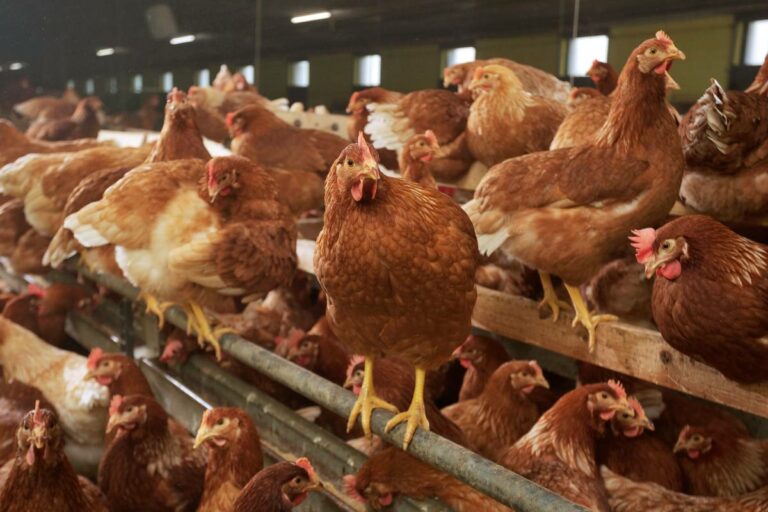
New trials and research have shown how monitoring traps can help to warn producers of levels of red mite in their sheds, indicating the need for treatment.

Using a highly sensitive weighing system accurate to 0.120mg and accompanying software, vets working with MSD Animal Health have trapped and monitor red mite populations in sheds to fully analyse the extent of the problem.

“The trapping system we’ve supplied produces reliable, quantitative results which provide extremely accurate red mite numbers showcasing ‘hot spots’ in the sheds which help to shape successful treatment advice,” said Wesley Thorne, Poultry Key Account Manager, MSD Animal Health.

“We know the traps are highly accurate as recent peer reviewed research has confirmed that the weight of red mite in the monitoring traps is accurate to 99.6% when correlated with the counted number of all five life cycle stages of red mite,” he said.

“Tackling red mite has been a continuing challenge for the poultry industry with it having a significant impact on bird welfare and productivity. Historically, with limited resources available to monitor red mite levels in sheds, farmers were often unaware of the severity of the problem.”

Through continuous monitoring and field trial work MSD Animal Health has assigned threshold levels to indicate red mite numbers in sheds. Under 250mg of trapped red mites demonstrates a low level while 250 – 500mg is classed as a moderate level, with above 500mg suggesting a high ‘threshold’ red mite infestation which is when treatment would be recommended.

“This monitoring tool offers a reliable and simple solution that measures the extent of the red mite problem, across egg, larvae, protonymph, deutonymph and adult stages. By placing traps in tried and tested strategic positions in sheds, red mite hotspots can be identified which means farmers can assess these areas when carrying out their regular checks,” Thorne said.

“As an industry we need to improve our monitoring practices and manage red mite to prevent poultry units from reaching significant levels. Red mite monitoring traps are a simple and effective tool to achieve this and they will improve the industry’s ability to make informed treatment timing decisions and assess efficacy of treatments, tackling the issue of red mites much more effectively than has been possible to date.”


Share. Facebook Twitter LinkedIn Email
Previous ArticleFarmers vow to lobby politicians ahead of general election
Next Article Cobb-Vantress partners with The Roslin Institute to address food security
Chloe Ryan

Editor of Poultry Business, Chloe has spent the past decade writing about the food industry from farming, through manufacturing, retail and foodservice. When not working, dog walking and reading biographies are her favourite hobbies.

Read Similar Stories

Housing

Four areas of biosecurity to consider when building or adapting poultry houses

September 12, 20255 Mins Read
Uncategorized

Comment: Get your sheds in order for winter

September 11, 20252 Mins Read
Uncategorized

Comment: Endurance for what?

November 11, 20243 Mins Read
Latest News

Comment: Bring on the warmer weather

April 22, 2026

Bird Brothers launches new packaging

April 22, 2026

Comment: Gen Z wants more from work; we need to give it to them

April 21, 2026
Sponsored Content

Address beta-mannans in broiler diets to optimise bird health and performance

April 1, 2026

Stay one step ahead of outbreaks

December 3, 2025
© 2024 MA Agriculture Ltd, a Mark Allen Group company

Privacy Policy | Cookies Policy | Terms & Conditions

  • Farmers Weekly
  • AA Farmer
  • Farm Contractor
  • Pig World

Type above and press Enter to search. Press Esc to cancel.