
Poultry News
  • Production
    • Broiler Production
    • Ducks
    • Egg Production
    • Game
    • Hatching
    • Housing
    • Turkeys
  • Processing
  • Business & Politics
    • Business
    • Economics
    • EU & Politics
    • Marketing
    • People
    • Training & Education
  • Welfare
    • Environment
    • Food Safety
    • Vet & Medication
    • Welfare
  • Feed
  • Genetics
  • New Products
  • Magazines
    • September 2026
    • 2026 Buildings supplement
    • August 2026
    • 2026 Health supplement
    • July 2026
    • 2026 National Egg and Poultry Awards finalists supplement
    • June 2026
    • 2026 Innovation supplement
    • 2026 British Pig & Poultry Fair guide
    • May 2026
    • March 2026
    • 2026 Feed & Nutrition supplement
    • February 2026
    • January 2026
    • December 2025
    • November 2025
    • October 2025
    • September 2025
    • 2025 Buildings supplement
    • August 2025
    • 2025 Poultry Health supplement
    • July 2025
    • 2025 National Egg and Poultry Awards finalists supplement
    • June 2025
    • 2025 Innovation supplement
    • May 2025
    • April 2025
    • March 2025
    • 2025 Feed and Nutrition supplement
    • February 2025
    • January 2025
    • December 2024
    • November 2024
    • October 2024
    • September 2024
    • 2024 Building for the Future supplement
    • August 2024
    • 2024 Poultry Health supplement
    • July 2024
    • 2024 National Egg and Poultry Awards finalists supplement
    • June 2024
    • 2024 Innovation supplement
    • Pig & Poultry Fair 2024
    • May 2024
    • April 2024
    • March 2024
    • February 2024
    • January 2024
    • December 2023
    • November 2023
    • Processing Equipment Supplement – Nov 2023
    • October 2023
    • Building Supplement – Sept 2023
    • September 2023
  • Jobs
    • Browse Jobs
    • Post a Job
    • Manage Jobs
  • Events
    • National Egg and Poultry Awards
    • Poultry Fair
    • Webinars
Twitter LinkedIn
  • FREE Email Newsletters
  • About Us
  • Advertise
  • Subscribe
  • Contact Us
Twitter LinkedIn
Podcast
Poultry News
  • Production
    • Broiler Production
    • Ducks
    • Egg Production
    • Game
    • Hatching
    • Housing
    • Turkeys
  • Processing
  • Business & Politics
    • Business
    • Economics
    • EU & Politics
    • Marketing
    • People
    • Training & Education
  • Welfare
    • Environment
    • Food Safety
    • Vet & Medication
    • Welfare
  • Feed
  • Genetics
  • New Products
  • Magazines
    1. September 2026
    2. 2026 Buildings supplement
    3. August 2026
    4. 2026 Health supplement
    5. July 2026
    6. 2026 National Egg and Poultry Awards finalists supplement
    7. June 2026
    8. 2026 Innovation supplement
    9. 2026 British Pig & Poultry Fair guide
    10. May 2026
    11. March 2026
    12. 2026 Feed & Nutrition supplement
    13. February 2026
    14. January 2026
    15. December 2025
    16. November 2025
    17. October 2025
    18. September 2025
    19. 2025 Buildings supplement
    20. August 2025
    21. 2025 Poultry Health supplement
    22. July 2025
    23. 2025 National Egg and Poultry Awards finalists supplement
    24. June 2025
    25. 2025 Innovation supplement
    26. May 2025
    27. April 2025
    28. March 2025
    29. 2025 Feed and Nutrition supplement
    30. February 2025
    31. January 2025
    32. December 2024
    33. November 2024
    34. October 2024
    35. September 2024
    36. 2024 Building for the Future supplement
    37. August 2024
    38. 2024 Poultry Health supplement
    39. July 2024
    40. 2024 National Egg and Poultry Awards finalists supplement
    41. June 2024
    42. 2024 Innovation supplement
    43. Pig & Poultry Fair 2024
    44. May 2024
    45. April 2024
    46. March 2024
    47. February 2024
    48. January 2024
    49. December 2023
    50. November 2023
    51. Processing Equipment Supplement – Nov 2023
    52. October 2023
    53. Building Supplement – Sept 2023
    54. September 2023
    Featured

    Poultry Business – September 2026 issue out now

    By Chloe RyanSeptember 9, 2026
    Recent

    Poultry Business – September 2026 issue out now

    September 9, 2026

    Poultry Business – 2026 Buildings supplement out now

    September 9, 2026

    Poultry Business – August 2026 issue out now

    August 13, 2026
  • Jobs
    • Browse Jobs
    • Post a Job
    • Manage Jobs
  • Events
    • National Egg and Poultry Awards
    • Poultry Fair
    • Webinars
Twitter LinkedIn
Poultry News
Environment

Dutch study finds problems in feed use of housefly larvae

Colin LeyBy Colin LeyJune 28, 20162 Mins Read
Facebook Twitter LinkedIn Email
Share
Facebook Twitter LinkedIn Email

The direct environmental benefits of using housefly larvae in animal feed rations could be offset by the indirect negatives caused by using waste to produce insect protein instead of applying the same waste to generate bio-energy.

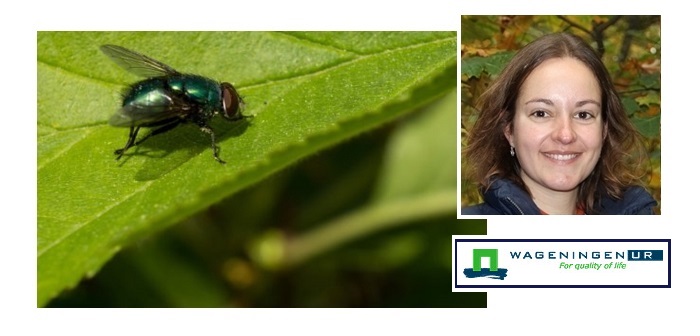
This is the key conclusion of studies carried out in the Netherlands by Wageningen University scientist, Hannah van Zanten.

“Looking to insects as a protein-rich source of animal feed is logical,” said Ms van Zanten (pictured above), noting that alternatives, such as soya cultivation have had “major negative effects” such as deforestation, loss of biodiversity and high CO2 emissions, especially in Brazil and Argentina.

After studying the environmental effects of using housefly larvae for animal feed production in the Netherlands, using data from an insect farm, two waste processing companies and an animal feed company that processes the larvae, she said that the housefly larvae appeared to be more eco-friendly per kilo than either soya or fishmeal. That conclusion, however, only applied in terms of the direct effects of switching from soya and fishmeal to housefly larvae.

When Ms van Zanten also analysed the indirect effects of the switch, the story became much more “nuanced”.

“In this part of the study we fed the larvae partly with chicken manure and partly with waste,” she said. “The waste was the problem as 98% is currently being fermented for generating bio-energy, which replaces fossil fuels and so benefits the environment. Feeding all this waste to insects would increase the need for fossil fuels, resulting in a negative environmental balance overall.”

Her final conclusion, therefore, is that it’s currently “unwise” to aim at insect production for animal feed, a result which she agreed would be different if the Netherlands was to become less reliant on fossil fuels in favour of wind and solar power, so reducing its use of waste for bio-energy.

Share. Facebook Twitter LinkedIn Email
Previous ArticleRodenticide training is still available
Next Article Major improvements for Poland’s SuperDrob company
Colin Ley

Read Similar Stories

Environment

Comment: I’m worried about my hedges

August 10, 20262 Mins Read
Environment

Meat industry calls for processors to be included in Government drought planning

July 29, 20263 Mins Read
Environment

Comment: British farms have a vast uptapped water asset

July 3, 20262 Mins Read
Latest News

Pilgrim’s Europe reports higher revenue and operating profit

October 5, 2026

H5N5 bird flu confirmed on Isle of Lewis

October 5, 2026

EPIC 2026: What to expect

October 1, 2026
Sponsored Content

Why Some Flocks Produce More Saleable Eggs Than Others. Lifetime Eggshell Quality Starts with Trace Minerals.

October 1, 2026

Make poultry diets more sustainable without compromising performance

September 7, 2026
© 2024 MA Agriculture Ltd, a Mark Allen Group company

Privacy Policy | Cookies Policy | Terms & Conditions

  • Farmers Weekly
  • AA Farmer
  • Farm Contractor
  • Pig World

Type above and press Enter to search. Press Esc to cancel.