


Poultry News
  • Production
    • Broiler Production
    • Ducks
    • Egg Production
    • Game
    • Hatching
    • Housing
    • Turkeys
  • Processing
  • Business & Politics
    • Business
    • Economics
    • EU & Politics
    • Marketing
    • People
    • Training & Education
  • Welfare
    • Environment
    • Food Safety
    • Vet & Medication
    • Welfare
  • Feed
  • Genetics
  • New Products
  • Magazines
    • 2026 British Pig & Poultry Fair guide
    • May 2026
    • March 2026
    • 2026 Feed & Nutrition supplement
    • February 2026
    • January 2026
    • December 2025
    • November 2025
    • October 2025
    • September 2025
    • 2025 Buildings supplement
    • August 2025
    • 2025 Poultry Health supplement
    • July 2025
    • 2025 National Egg and Poultry Awards finalists supplement
    • June 2025
    • 2025 Innovation supplement
    • May 2025
    • April 2025
    • March 2025
    • 2025 Feed and Nutrition supplement
    • February 2025
    • January 2025
    • December 2024
    • November 2024
    • October 2024
    • September 2024
    • 2024 Building for the Future supplement
    • August 2024
    • 2024 Poultry Health supplement
    • July 2024
    • 2024 National Egg and Poultry Awards finalists supplement
    • June 2024
    • 2024 Innovation supplement
    • Pig & Poultry Fair 2024
    • May 2024
    • April 2024
    • March 2024
    • February 2024
    • January 2024
    • December 2023
    • November 2023
    • Processing Equipment Supplement – Nov 2023
    • October 2023
    • Building Supplement – Sept 2023
    • September 2023
  • Jobs
    • Browse Jobs
    • Post a Job
    • Manage Jobs
  • Events
    • National Egg and Poultry Awards
    • Poultry Fair
    • Webinars
Twitter LinkedIn
  • FREE Email Newsletters
  • About Us
  • Advertise
  • Subscribe
  • Contact Us
Twitter LinkedIn
Podcast
Poultry News
  • Production
    • Broiler Production
    • Ducks
    • Egg Production
    • Game
    • Hatching
    • Housing
    • Turkeys
  • Processing
  • Business & Politics
    • Business
    • Economics
    • EU & Politics
    • Marketing
    • People
    • Training & Education
  • Welfare
    • Environment
    • Food Safety
    • Vet & Medication
    • Welfare
  • Feed
  • Genetics
  • New Products
  • Magazines
    1. 2026 British Pig & Poultry Fair guide
    2. May 2026
    3. March 2026
    4. 2026 Feed & Nutrition supplement
    5. February 2026
    6. January 2026
    7. December 2025
    8. November 2025
    9. October 2025
    10. September 2025
    11. 2025 Buildings supplement
    12. August 2025
    13. 2025 Poultry Health supplement
    14. July 2025
    15. 2025 National Egg and Poultry Awards finalists supplement
    16. June 2025
    17. 2025 Innovation supplement
    18. May 2025
    19. April 2025
    20. March 2025
    21. 2025 Feed and Nutrition supplement
    22. February 2025
    23. January 2025
    24. December 2024
    25. November 2024
    26. October 2024
    27. September 2024
    28. 2024 Building for the Future supplement
    29. August 2024
    30. 2024 Poultry Health supplement
    31. July 2024
    32. 2024 National Egg and Poultry Awards finalists supplement
    33. June 2024
    34. 2024 Innovation supplement
    35. Pig & Poultry Fair 2024
    36. May 2024
    37. April 2024
    38. March 2024
    39. February 2024
    40. January 2024
    41. December 2023
    42. November 2023
    43. Processing Equipment Supplement – Nov 2023
    44. October 2023
    45. Building Supplement – Sept 2023
    46. September 2023
    Featured

    2026 British Pig & Poultry Fair guide out now

    By Elmarie BassonMay 13, 2026
    Recent

    2026 British Pig & Poultry Fair guide out now

    May 13, 2026

    Poultry Business – May 2026 issue out now

    May 6, 2026

    Poultry Business – April 2026 issue out now

    April 7, 2026
  • Jobs
    • Browse Jobs
    • Post a Job
    • Manage Jobs
  • Events
    • National Egg and Poultry Awards
    • Poultry Fair
    • Webinars
Twitter LinkedIn
Poultry News
Egg Production

Why a rounded approach to pest control matters

Chloe RyanBy Chloe RyanSeptember 18, 20254 Mins Read
Facebook Twitter LinkedIn Email
Share
Facebook Twitter LinkedIn Email

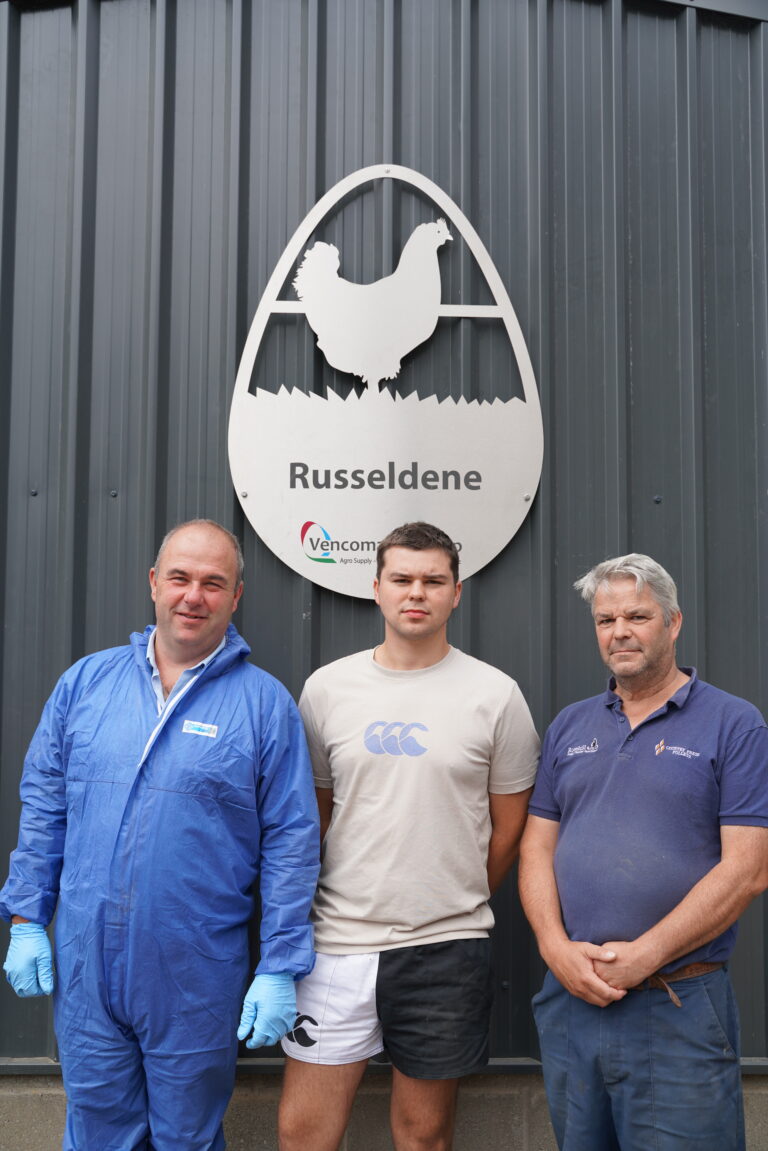
For egg producers Gareth & Lewis Morgan, pest control is essential for profitability and continuous production. Poultry Business visited Russeldene Farm in South Shropshire to see how a holistic approach to pest management is supporting the production of barn eggs.

The Morgan family business operates across two sites – one producing free range eggs for Fridays and the other barn eggs, for Noble Foods, supplying Tesco. The free-range unit houses 48,000 hens, while the barn unit has 34,000 birds split across a total of six sheds.

At Russeldene farm, birds are kept to 100 weeks, so robust pest control is key.

Gareth Morgan says pest control is integral to the production plan: “Birds are kept for longer, so if we have a disease breakdown early in the cycle, it’s a long time until our next crop of layers is due in.”

Year-round pest pressures

Morgan says there are pest pressures all year round for the farm.

“Flies are one of our biggest summer issues, and with warmer months starting earlier and lasting longer, that challenge now stretches over more of the year,” he explains.

Flies feed by regurgitating their last meal onto the surface they are on, and when this happens to be the eggs, this can have large financial implications.
“Eggs with any contamination from flies, whether regurgitation or defecation, are downgraded,” explains Morgan.

“Our goal is to keep seconds to a minimum, as they can be worth up to five times less than first-grade eggs, which can dramatically affect returns.”

Rodent pressure is usually greater in winter as cold weather drives them indoors for food and shelter. The programme includes using Lodi UK’s Sheila Fly Bait and Lodi’s Gems rodent bait to keep pressures under control year-round.

“Rodents threaten the eggs, but also the machinery and equipment inside the sheds,” says Morgan.

“We pack around 32,000 eggs a day, so if rodents compromise the packing machine, downtime can cause a major backlog and disrupt operations.”

All sheds are fitted with humidity, temperature, and lighting controls, along with systems to monitor water consumption.

“Rodent damage can cause system failures or even fires, so protecting these is vital,” he adds.

The farm is tested every 105 days for traces of Salmonella, and Morgan says strong rodent control protocols give him peace of mind that he’s doing everything possible to keep disease out.

Preventing and monitoring pests

Russeldene Farm follows a three-pronged approach when it comes to pest control.

“We do everything we can to prevent pest problems, monitor monthly with a professional pest controller and act on any issues that arise,” says Morgan.

Pest controller Dave Reece from Oakwood Farm Services visits Russeldene Farm monthly.

“Having an external professional frees up time for me and the staff to focus on the birds,” says Morgan.

Prevention includes proofing buildings and machinery by sealing gaps or repairing damage where rodents could enter.

Lodi UK’s Anti-Rodent Spray is applied to all ducting and electrical wires providing up to six months protection from rodent attacks.

Strict biosecurity and cleaning protocols reduce the risk of disease, while regular monitoring allows Reece to adjust the pest control programme as needed.

Controlling pests

Acknowledging the ongoing challenge of fly control on poultry farms, Morgan says the fly bait Sheila has been a great asset for the farm, especially in the sheds with the barn egg producing birds.

“We apply the granules to boards, which are then hung beneath the slatted bird area inside the poultry house,” he explains.

“The flies are attracted by breeding pheromone on the boards, consume the granules, and die almost instantly.”

The product is applied early in the season to tackle flies before numbers peak. It can be replaced as needed and works best as part of an integrated fly management approach.

When it comes to mice, the business uses Sapphire Grain. The bait contains brodifacoum, delivering a single-feed lethal dose – something Morgan says is essential on their poultry site, where mice are a bigger Salmonella risk than rats.

“Mice are much harder to spot and tend to nibble at bait rather than take enough in one go,” he adds.

“With Sapphire Grain, even a small feed is enough to be effective, which makes a real difference in keeping numbers down.”

At Russeldene Farm, pest control is an investment of time and resource which protects the businesses productivity, as well as the health and welfare of the birds.

“If we stay ahead of the problem, we’re protecting the birds, the eggs and ultimately our business reputation,” says Morgan.


Share. Facebook Twitter LinkedIn Email
Previous ArticleCracking the challenge of organic egg yolk colouring
Next Article UK poultry meat production rises despite decline in chick placings
Chloe Ryan

Editor of Poultry Business, Chloe has spent the past decade writing about the food industry from farming, through manufacturing, retail and foodservice. When not working, dog walking and reading biographies are her favourite hobbies.

Read Similar Stories

Production

RSPCA Assured members prepare for updated turkey welfare standards

May 19, 20262 Mins Read
Production

EU poultry prices strengthen as imports rise

May 14, 20261 Min Read
Housing

New RASE report calls for farm building rethink

May 13, 20262 Mins Read
Latest News

Planning rules holding back UK poultry sector modernisation, says NFU

May 25, 2026

Poultrymeat outlook: Strong demand and a sector ready to grow

May 22, 2026

Over 8,000 visit the British Pig & Poultry Fair

May 21, 2026
Sponsored Content

Take Control of Your Farm’s Biosecurity with Livetec

May 1, 2026

Address beta-mannans in broiler diets to optimise bird health and performance

April 1, 2026
© 2024 MA Agriculture Ltd, a Mark Allen Group company

Privacy Policy | Cookies Policy | Terms & Conditions

  • Farmers Weekly
  • AA Farmer
  • Farm Contractor
  • Pig World

Type above and press Enter to search. Press Esc to cancel.