


Poultry News
  • Production
    • Broiler Production
    • Ducks
    • Egg Production
    • Game
    • Hatching
    • Housing
    • Turkeys
  • Processing
  • Business & Politics
    • Business
    • Economics
    • EU & Politics
    • Marketing
    • People
    • Training & Education
  • Welfare
    • Environment
    • Food Safety
    • Vet & Medication
    • Welfare
  • Feed
  • Genetics
  • New Products
  • Magazines
    • March 2026
    • 2026 Feed & Nutrition supplement
    • February 2026
    • January 2026
    • December 2025
    • November 2025
    • October 2025
    • September 2025
    • 2025 Buildings supplement
    • August 2025
    • 2025 Poultry Health supplement
    • July 2025
    • 2025 National Egg and Poultry Awards finalists supplement
    • June 2025
    • 2025 Innovation supplement
    • May 2025
    • April 2025
    • March 2025
    • 2025 Feed and Nutrition supplement
    • February 2025
    • January 2025
    • December 2024
    • November 2024
    • October 2024
    • September 2024
    • 2024 Building for the Future supplement
    • August 2024
    • 2024 Poultry Health supplement
    • July 2024
    • 2024 National Egg and Poultry Awards finalists supplement
    • June 2024
    • 2024 Innovation supplement
    • Pig & Poultry Fair 2024
    • May 2024
    • April 2024
    • March 2024
    • February 2024
    • January 2024
    • December 2023
    • November 2023
    • Processing Equipment Supplement – Nov 2023
    • October 2023
    • Building Supplement – Sept 2023
    • September 2023
  • Jobs
    • Browse Jobs
    • Post a Job
    • Manage Jobs
  • Events
    • National Egg and Poultry Awards
    • Poultry Fair
    • Webinars
Twitter LinkedIn
  • FREE Email Newsletters
  • About Us
  • Advertise
  • Subscribe
  • Contact Us
Twitter LinkedIn
Podcast
Poultry News
  • Production
    • Broiler Production
    • Ducks
    • Egg Production
    • Game
    • Hatching
    • Housing
    • Turkeys
  • Processing
  • Business & Politics
    • Business
    • Economics
    • EU & Politics
    • Marketing
    • People
    • Training & Education
  • Welfare
    • Environment
    • Food Safety
    • Vet & Medication
    • Welfare
  • Feed
  • Genetics
  • New Products
  • Magazines
    1. March 2026
    2. 2026 Feed & Nutrition supplement
    3. February 2026
    4. January 2026
    5. December 2025
    6. November 2025
    7. October 2025
    8. September 2025
    9. 2025 Buildings supplement
    10. August 2025
    11. 2025 Poultry Health supplement
    12. July 2025
    13. 2025 National Egg and Poultry Awards finalists supplement
    14. June 2025
    15. 2025 Innovation supplement
    16. May 2025
    17. April 2025
    18. March 2025
    19. 2025 Feed and Nutrition supplement
    20. February 2025
    21. January 2025
    22. December 2024
    23. November 2024
    24. October 2024
    25. September 2024
    26. 2024 Building for the Future supplement
    27. August 2024
    28. 2024 Poultry Health supplement
    29. July 2024
    30. 2024 National Egg and Poultry Awards finalists supplement
    31. June 2024
    32. 2024 Innovation supplement
    33. Pig & Poultry Fair 2024
    34. May 2024
    35. April 2024
    36. March 2024
    37. February 2024
    38. January 2024
    39. December 2023
    40. November 2023
    41. Processing Equipment Supplement – Nov 2023
    42. October 2023
    43. Building Supplement – Sept 2023
    44. September 2023
    Featured

    Poultry Business – March 2026 issue out now

    By Chloe RyanMarch 11, 2026
    Recent

    Poultry Business – March 2026 issue out now

    March 11, 2026

    Poultry Business – 2026 Feed & Nutrition supplement out now

    March 11, 2026

    Poultry Business – February 2026 issue out now

    February 11, 2026
  • Jobs
    • Browse Jobs
    • Post a Job
    • Manage Jobs
  • Events
    • National Egg and Poultry Awards
    • Poultry Fair
    • Webinars
Twitter LinkedIn
Poultry News
Production

Rotate your bait for best rodent control, farmers urged

Chloe RyanBy Chloe RyanAugust 10, 20232 Mins Read
Facebook Twitter LinkedIn Email
Share
Facebook Twitter LinkedIn Email

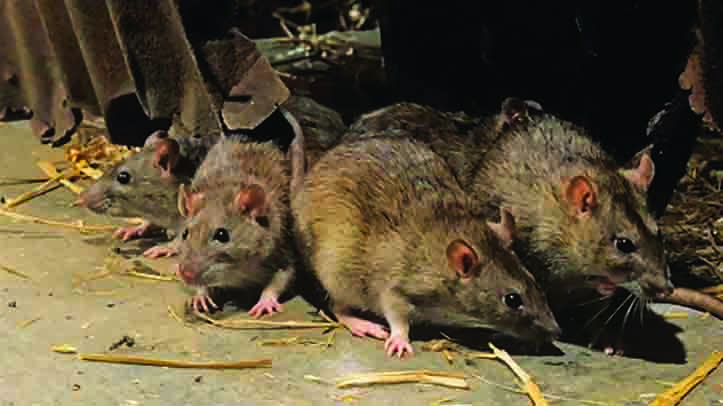
Poultry farmers have been urged to rotate the baits they use to ensure their rodent control is as effective as possible.

Best practice is to first carry out environmental management such as proofing buildings and tidying the site, and then explore non-chemical control methods, whether it is utilising natural predators, using live traps, or instant-kill traps.

But when chemical control is required, many don’t realise that bait rotation is vital to long-term success, said Laurence Barnard, country business manager at BASF.

“Successful rodent control isn’t just about choosing the right bait. Of course, factors such as speed of control, potency, and palatability are incredibly important, but it is critical to alternate your baits.

“The reason for this is two-fold – some of the biggest challenges facing farmers are rodenticide resistance and bait shyness.

“Rodenticide resistance is a phenomenon that has been causing increasing issues across the country, particularly in certain areas such as Greater Manchester or South Central England. Much like how humans can become resistant to certain antibiotics, rodents have developed resistance to the active ingredients in first-generation anticoagulants and some second-generation anticoagulants, particularly difenacoum and bromadiolone.

“To combat any potential resistance problem, farmers should be utilising rodenticides that contain either cholecalciferol or flocoumafen as the active ingredient, as there is no known resistance to either active. Ideally, usage should be rotated between the two to prevent any possible future anticoagulant resistance from developing.

“Also, although more prevalent in mice, rodents can become bored of the rodenticide on offer and search for alternative food sources.

“Of course, the rodenticide used must be highly palatable and potent. However product stewardship is essential to ensure the future-proofing of effective solutions on the market and safeguard the pest management toolbox.”

It is recommended that rodenticides should be changed every three to four months as best practice, with a minimum of every six months, to ensure a long-term, successful pest management programme.

Share. Facebook Twitter LinkedIn Email
Previous ArticleHeat stress: why cool birds are productive birds
Next Article Biomarker analysis: key to animal mycotoxin stress management
Chloe Ryan

Editor of Poultry Business, Chloe has spent the past decade writing about the food industry from farming, through manufacturing, retail and foodservice. When not working, dog walking and reading biographies are her favourite hobbies.

Read Similar Stories

Production

Hugh Carter’s carbon journey

March 12, 202610 Mins Read
Production

EU poultry production surges in February, while markets make gains

March 9, 20262 Mins Read
Production

UK poultry production starts 2026 on a high with heavier birds

March 9, 20262 Mins Read
Latest News

Hugh Carter’s carbon journey

March 12, 2026

NFU meets Defra to discuss impacts of global conflict on UK food supply chain

March 12, 2026

Poultry Business – March 2026 issue out now

March 11, 2026
Sponsored Content

Stay one step ahead of outbreaks

December 3, 2025

Can Aviance improve production and shell quality in full laying cycle?

October 1, 2025
© 2024 MA Agriculture Ltd, a Mark Allen Group company

Privacy Policy | Cookies Policy | Terms & Conditions

  • Farmers Weekly
  • AA Farmer
  • Farm Contractor
  • Pig World

Type above and press Enter to search. Press Esc to cancel.