


Poultry News
  • Production
    • Broiler Production
    • Ducks
    • Egg Production
    • Game
    • Hatching
    • Housing
    • Turkeys
  • Processing
  • Business & Politics
    • Business
    • Economics
    • EU & Politics
    • Marketing
    • People
    • Training & Education
  • Welfare
    • Environment
    • Food Safety
    • Vet & Medication
    • Welfare
  • Feed
  • Genetics
  • New Products
  • Magazines
    • December 2025
    • November 2025
    • October 2025
    • September 2025
    • 2025 Buildings supplement
    • August 2025
    • 2025 Poultry Health supplement
    • July 2025
    • 2025 National Egg and Poultry Awards finalists supplement
    • June 2025
    • 2025 Innovation supplement
    • May 2025
    • April 2025
    • March 2025
    • 2025 Feed and Nutrition supplement
    • February 2025
    • January 2025
    • December 2024
    • November 2024
    • October 2024
    • September 2024
    • 2024 Building for the Future supplement
    • August 2024
    • 2024 Poultry Health supplement
    • July 2024
    • 2024 National Egg and Poultry Awards finalists supplement
    • June 2024
    • 2024 Innovation supplement
    • Pig & Poultry Fair 2024
    • May 2024
    • April 2024
    • March 2024
    • February 2024
    • January 2024
    • December 2023
    • November 2023
    • Processing Equipment Supplement – Nov 2023
    • October 2023
    • Building Supplement – Sept 2023
    • September 2023
  • Jobs
    • Browse Jobs
    • Post a Job
    • Manage Jobs
  • Events
    • National Egg and Poultry Awards
    • Poultry Fair
    • Webinars
Twitter LinkedIn
  • FREE Email Newsletters
  • About Us
  • Advertise
  • Subscribe
  • Contact Us
Twitter LinkedIn
Podcast
Poultry News
  • Production
    • Broiler Production
    • Ducks
    • Egg Production
    • Game
    • Hatching
    • Housing
    • Turkeys
  • Processing
  • Business & Politics
    • Business
    • Economics
    • EU & Politics
    • Marketing
    • People
    • Training & Education
  • Welfare
    • Environment
    • Food Safety
    • Vet & Medication
    • Welfare
  • Feed
  • Genetics
  • New Products
  • Magazines
    1. December 2025
    2. November 2025
    3. October 2025
    4. September 2025
    5. 2025 Buildings supplement
    6. August 2025
    7. 2025 Poultry Health supplement
    8. July 2025
    9. 2025 National Egg and Poultry Awards finalists supplement
    10. June 2025
    11. 2025 Innovation supplement
    12. May 2025
    13. April 2025
    14. March 2025
    15. 2025 Feed and Nutrition supplement
    16. February 2025
    17. January 2025
    18. December 2024
    19. November 2024
    20. October 2024
    21. September 2024
    22. 2024 Building for the Future supplement
    23. August 2024
    24. 2024 Poultry Health supplement
    25. July 2024
    26. 2024 National Egg and Poultry Awards finalists supplement
    27. June 2024
    28. 2024 Innovation supplement
    29. Pig & Poultry Fair 2024
    30. May 2024
    31. April 2024
    32. March 2024
    33. February 2024
    34. January 2024
    35. December 2023
    36. November 2023
    37. Processing Equipment Supplement – Nov 2023
    38. October 2023
    39. Building Supplement – Sept 2023
    40. September 2023
    Featured

    Poultry Business – December 2025 issue out now

    By Chloe RyanDecember 8, 2025
    Recent

    Poultry Business – December 2025 issue out now

    December 8, 2025

    Poultry Business – November 2025 issue out now

    November 9, 2025

    Poultry Business – October 2025 issue out now

    October 13, 2025
  • Jobs
    • Browse Jobs
    • Post a Job
    • Manage Jobs
  • Events
    • National Egg and Poultry Awards
    • Poultry Fair
    • Webinars
Twitter LinkedIn
Poultry News
News

Poultry robot linked to increase in fertility

Chloe RyanBy Chloe RyanOctober 28, 20203 Mins Read
Facebook Twitter LinkedIn Email
Share
Facebook Twitter LinkedIn Email

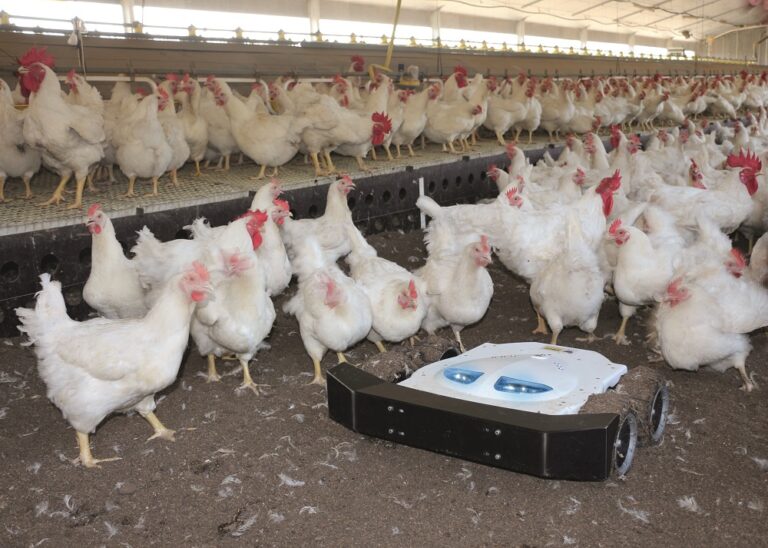
The impact of the Spoutnic robot on poultry mating behaviour and fertility has been studied by the Applied Innovation Team at Hubbard. The findings – based on 65 hours of observation – show using the robot for two weeks at the end of a flock leads to increased mating activity by 30% and fertility rates improved by five points.

During the studies conducted by the Applied Innovation Team, Hubbard assessed the impact of the Spoutnic robot on mating and fertility of male and female breeders, without intervening environmental or external factors. Tests were conducted with the robot on two flocks of broiler breeders aged 48 weeks and 55 weeks, respectively.

In order to establish the rate of mating activity during the week preceding the robot installation, an initial observation was conducted over a three-hour period before the lights were turned off. Each mating attempt was rated according to a specific scoring scale consisting of three main categories: successful mating, unsuccessful mating due to a halt in the male’s activity, unsuccessful mating due to female refusal.

Once the robot was installed in the building – operating for eight hours before lights are turned off – the same observer studied the mating activity. The observation was conducted over a two-week period to reduce the impact age could have on results.

The presence of the robot in the building helps maintain hen and rooster activity, resulting in an increase in mating attempts, especially during the last two hours before lights are turned off. In addition to mating observations, the study protocol also included fertility tracking in an aim to establish a correlation between mating activity and flock’s fertility.

Following each observation of mating activity, a sample of 120 eggs were placed in incubation in a 480-egg hatching incubator to assess the percentage of clear eggs (infertile or early dead embryos). This reduced any factors linked to transportation or storing that may have affected the study.

The study showed a decrease in fertility during the first week of the robot’s presence. Presumably, birds over 45 weeks of age require a period of adaptation to the robot as they had never seen one before. “This reaction would most likely have been avoided with animals already accustomed to robots at the start of the flock,” said Yanne Courcoux, chief executive and co-founder of TIBOT Technologies. Two weeks after the robot was introduced into the poultry shed, fertility rates stabilised or increased to offset the natural loss of the flock’s fertility. Moreover, the Hubbard team observed a five-point increase in the number of fertilised eggs in the flock of birds over 55 weeks.

Share. Facebook Twitter LinkedIn Email
Previous ArticlePD Hook’s Adrian Rushby runs marathon for farming charity
Next Article Most vets struggling with stress and burnout
Chloe Ryan

Editor of Poultry Business, Chloe has spent the past decade writing about the food industry from farming, through manufacturing, retail and foodservice. When not working, dog walking and reading biographies are her favourite hobbies.

Read Similar Stories

New Products

AI-powered hatchery automation tech on show at IPPE 2026

December 17, 20251 Min Read
News

Grounded Research launches study on poultry food safety, seeks industry participants

December 4, 20251 Min Read
Feed & Nutrition

Addressing misconceptions about probiotics allows poultry producers to unlock significant performance benefits

November 19, 20253 Mins Read
Latest News

Government signals end to cages for laying hens and shift in chicken production

December 22, 2025

Avian flu outbreaks continue as UK total reaches 73 cases

December 22, 2025

Batters review warns farm profitability under pressure

December 19, 2025
Sponsored Content

Stay one step ahead of outbreaks

December 3, 2025

Can Aviance improve production and shell quality in full laying cycle?

October 1, 2025
© 2024 MA Agriculture Ltd, a Mark Allen Group company

Privacy Policy | Cookies Policy | Terms & Conditions

  • Farmers Weekly
  • AA Farmer
  • Farm Contractor
  • Pig World

Type above and press Enter to search. Press Esc to cancel.