


Poultry producers are being urged to ensure robust contingency measures are in place so they can act quickly if they suspect bird flu in their flock, as avian influenza (AI) cases continue to climb.
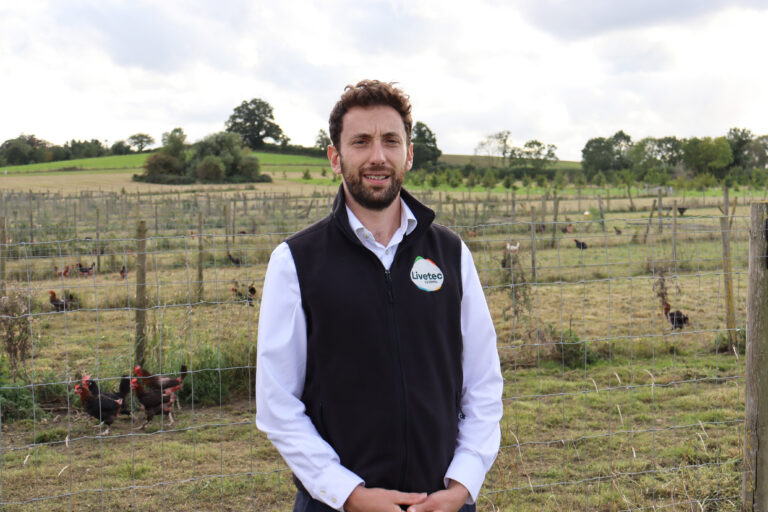
Neal Samet, director at Livetec Systems, says the latest spike in AI cases reinforces the need for preparedness to enable swift action saving producers time, money and stress.
“The number of AI cases since October has surpassed 90, with a notable increase among layers, free-range and commercial backyard premises,” he said.
“This season, we’ve seen first-hand how preparedness can save flocks and significantly reduce stress for all involved.
“Contingency planning is essentially insurance; you don’t need it until you need it, but it’s a no-brainer,” Samet said.
“It ensures all the necessary information and steps are in place so that farmers and support personnel can act quickly and decisively if an outbreak occurs.”
He says a well-documented contingency plan should include essential farm information, emergency procedures, and an understanding of the specific actions required by vets and APHA in the event of an outbreak.
“The first step with any suspected case is to report it to APHA immediately – they’re your first port of call,” Samet said.
Thereafter, producers are required to collate all the necessary information required by APHA – a process which can take several days and potentially have knock-on effects in the months that follow.
“Spending valuable time collating information means increased bird mortalities, more production downtime and less compensation,” he says.
“Having a contingency plan in place and using digital platforms such as Livetec’s Livestock Protect, means critical information is right at your fingertips.
“The faster you act, the sooner you can return to full operations.”
Samet encouraged producers to seek external support when developing contingency plans, adding that working with experienced advisors who understand the process and pressures involved can make a significant difference.
“Our contingency planning is built on real-world operational experience, not solely a veterinary-led approach, and should the worst happen, it can save producers thousands of pounds through quick, proactive actions supported by experienced advisors.”
Against the backdrop of rising AI cases, however, Samet is clear that preparation alone is not enough – strict, consistently enforced biosecurity remains producers’ strongest line of defence.