

Poultry News
  • Production
    • Broiler Production
    • Ducks
    • Egg Production
    • Game
    • Hatching
    • Housing
    • Turkeys
  • Processing
  • Business & Politics
    • Business
    • Economics
    • EU & Politics
    • Marketing
    • People
    • Training & Education
  • Welfare
    • Environment
    • Food Safety
    • Vet & Medication
    • Welfare
  • Feed
  • Genetics
  • New Products
  • Magazines
    • July 2026
    • 2026 National Egg and Poultry Awards finalists supplement
    • June 2026
    • 2026 Innovation Supplement
    • 2026 British Pig & Poultry Fair guide
    • May 2026
    • March 2026
    • 2026 Feed & Nutrition supplement
    • February 2026
    • January 2026
    • December 2025
    • November 2025
    • October 2025
    • September 2025
    • 2025 Buildings supplement
    • August 2025
    • 2025 Poultry Health supplement
    • July 2025
    • 2025 National Egg and Poultry Awards finalists supplement
    • June 2025
    • 2025 Innovation supplement
    • May 2025
    • April 2025
    • March 2025
    • 2025 Feed and Nutrition supplement
    • February 2025
    • January 2025
    • December 2024
    • November 2024
    • October 2024
    • September 2024
    • 2024 Building for the Future supplement
    • August 2024
    • 2024 Poultry Health supplement
    • July 2024
    • 2024 National Egg and Poultry Awards finalists supplement
    • June 2024
    • 2024 Innovation supplement
    • Pig & Poultry Fair 2024
    • May 2024
    • April 2024
    • March 2024
    • February 2024
    • January 2024
    • December 2023
    • November 2023
    • Processing Equipment Supplement – Nov 2023
    • October 2023
    • Building Supplement – Sept 2023
    • September 2023
  • Jobs
    • Browse Jobs
    • Post a Job
    • Manage Jobs
  • Events
    • National Egg and Poultry Awards
    • Poultry Fair
    • Webinars
Twitter LinkedIn
  • FREE Email Newsletters
  • About Us
  • Advertise
  • Subscribe
  • Contact Us
Twitter LinkedIn
Podcast
Poultry News
  • Production
    • Broiler Production
    • Ducks
    • Egg Production
    • Game
    • Hatching
    • Housing
    • Turkeys
  • Processing
  • Business & Politics
    • Business
    • Economics
    • EU & Politics
    • Marketing
    • People
    • Training & Education
  • Welfare
    • Environment
    • Food Safety
    • Vet & Medication
    • Welfare
  • Feed
  • Genetics
  • New Products
  • Magazines
    1. July 2026
    2. 2026 National Egg and Poultry Awards finalists supplement
    3. June 2026
    4. 2026 Innovation Supplement
    5. 2026 British Pig & Poultry Fair guide
    6. May 2026
    7. March 2026
    8. 2026 Feed & Nutrition supplement
    9. February 2026
    10. January 2026
    11. December 2025
    12. November 2025
    13. October 2025
    14. September 2025
    15. 2025 Buildings supplement
    16. August 2025
    17. 2025 Poultry Health supplement
    18. July 2025
    19. 2025 National Egg and Poultry Awards finalists supplement
    20. June 2025
    21. 2025 Innovation supplement
    22. May 2025
    23. April 2025
    24. March 2025
    25. 2025 Feed and Nutrition supplement
    26. February 2025
    27. January 2025
    28. December 2024
    29. November 2024
    30. October 2024
    31. September 2024
    32. 2024 Building for the Future supplement
    33. August 2024
    34. 2024 Poultry Health supplement
    35. July 2024
    36. 2024 National Egg and Poultry Awards finalists supplement
    37. June 2024
    38. 2024 Innovation supplement
    39. Pig & Poultry Fair 2024
    40. May 2024
    41. April 2024
    42. March 2024
    43. February 2024
    44. January 2024
    45. December 2023
    46. November 2023
    47. Processing Equipment Supplement – Nov 2023
    48. October 2023
    49. Building Supplement – Sept 2023
    50. September 2023
    Featured

    Poultry Business – July 2026 issue out now

    By Chloe RyanJuly 2, 2026
    Recent

    Poultry Business – July 2026 issue out now

    July 2, 2026

    2026 National Egg and Poultry Awards finalists supplement out now

    July 2, 2026

    Poultry Business – June 2026 issue out now

    June 8, 2026
  • Jobs
    • Browse Jobs
    • Post a Job
    • Manage Jobs
  • Events
    • National Egg and Poultry Awards
    • Poultry Fair
    • Webinars
Twitter LinkedIn
Poultry News
Health & Welfare

National housing order to come into force as avian flu continues to spread

Chloe RyanBy Chloe RyanNovember 24, 20214 Mins Read
Facebook Twitter LinkedIn Email
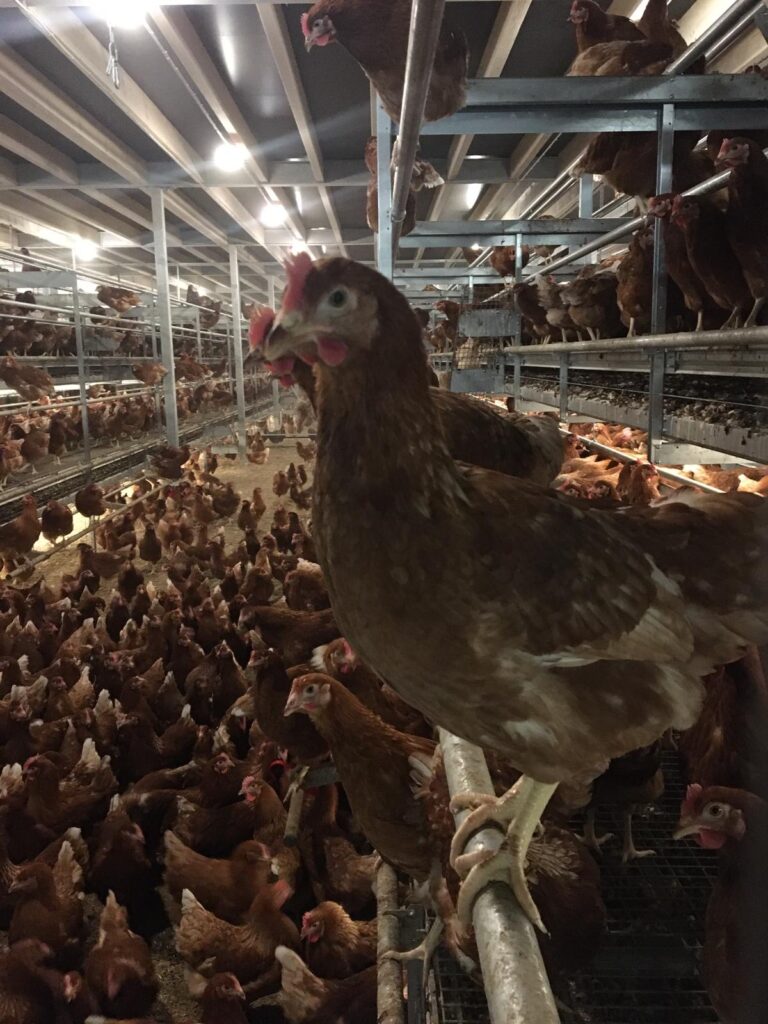
Hens in an open aviary barn
Share
Facebook Twitter LinkedIn Email

From Monday it will be a legal requirement for all bird keepers across the UK to house their birds indoors and to  follow strict biosecurity measures in order to limit the spread of and eradicate avian influenza, the UK’s chief vets announced today.

Wild birds migrating to the UK from mainland Europe during the winter months can carry the disease and this can lead to cases in poultry and other captive birds.

Housing measures have been in place for parts of North Yorkshire since 21 November following a number of confirmed and suspect cases of H5N1 avian influenza in poultry in the area.

Government Chief Veterinary Officers are encouraging bird keepers to use the next five days to prepare for the new housing measures, including taking steps to safeguard animal welfare, consult their vet and put up additional housing where necessary.

The additional housing measures build on the strengthened biosecurity regulations that were brought in across Great Britain as part of the Avian Influenza Prevention Zone (AIPZ) on 3 November 2021 and in Northern Ireland on 17 November 2021.

The introduction of housing measures means that from 29 November, in addition to housing all poultry and captive birds, keepers must continue taking extra precautions to keep their flocks safe. This includes regularly cleaning and disinfecting equipment, clothing and vehicles when entering or exiting sites and limiting access to non-essential workers or visitors.

The Chief Veterinary Officers from across all four nations have worked together to introduce the new housing measures at the same time, meaning that the restrictions will be applied across the whole of the UK.

In a joint statement the UK’s four Chief Veterinary Officers said: “We have taken swift action to limit the spread of the disease and are now planning to introduce a legal requirement for all poultry and captive bird keepers to keep their birds housed or otherwise separate from wild birds.

“Whether you keep just a few birds or thousands, from Monday 29 November onwards you will be legally required to keep your birds indoors, or take appropriate steps to keep them separate from wild birds. We have not taken this decision lightly, taking this action now is the best way to protect your birds from this highly infectious disease.”

Poultry and captive bird keepers are advised to be vigilant for any signs of disease in their birds and any wild birds, and seek prompt advice from their vet if they have any concerns.

Poultry keepers must now do the following:

  • house or net all poultry and captive birds to keep them separate from wild birds
  • cleanse and disinfect clothing, footwear, equipment and vehicles before and after contact with poultry and captive birds – if practical, use disposable protective clothing
  • reduce the movement of people, vehicles or equipment to and from areas where poultry and captive birds are kept, to minimise contamination from manure, slurry and other products, and use effective vermin control
  • thoroughly cleanse and disinfect housing on a continuous basis
  • keep fresh disinfectant at the right concentration at all farm and poultry housing entry and exit points
  • minimise direct and indirect contact between poultry and captive birds and wild birds, including making sure all feed and water is not accessible to wild birds

These new housing measures will be kept under regular review as part of the government’s work to protect flocks.

If you find dead swans, geese or ducks or other dead wild birds, such as gulls or birds of prey, you should report them to the Defra helpline on 03459 33 55 77.

Bird keepers should report suspicion of disease in Wales on 0300 303 8268, in England to Defra Rural Services Helpline on 03000 200 301. In Scotland, contact your local Field Services Office. In Northern Ireland contact DAERA on 0300 200 7840. Keepers should familiarise themselves with our avian flu advice.

Share. Facebook Twitter LinkedIn Email
Previous ArticlePioneering polymers ‘a first’ in poultry packaging
Next Article Avian Influenza identified in poultry on Anglesey
Chloe Ryan

Editor of Poultry Business, Chloe has spent the past decade writing about the food industry from farming, through manufacturing, retail and foodservice. When not working, dog walking and reading biographies are her favourite hobbies.

Read Similar Stories

Health & Welfare

EFSA calls for continued bird flu vigilance despite seasonal decline

July 6, 20261 Min Read
Environment

Comment: British farms have a vast uptapped water asset

July 3, 20262 Mins Read
Health & Welfare

Comment: Biosecurity grants are necessary and welcome

June 30, 20263 Mins Read
Latest News

NFU urges farmers to prioritise safety as agriculture deaths on the rise

July 21, 2026

Natural England names new chief executive

July 21, 2026

New Prime Minister urged to back British farming

July 21, 2026
Sponsored Content

Longer laying cycles need longer Salmonella protection

July 1, 2026

Take Control of Your Farm’s Biosecurity with Livetec

May 1, 2026
© 2024 MA Agriculture Ltd, a Mark Allen Group company

Privacy Policy | Cookies Policy | Terms & Conditions

  • Farmers Weekly
  • AA Farmer
  • Farm Contractor
  • Pig World

Type above and press Enter to search. Press Esc to cancel.