

Poultry News
  • Production
    • Broiler Production
    • Ducks
    • Egg Production
    • Game
    • Hatching
    • Housing
    • Turkeys
  • Processing
  • Business & Politics
    • Business
    • Economics
    • EU & Politics
    • Marketing
    • People
    • Training & Education
  • Welfare
    • Environment
    • Food Safety
    • Vet & Medication
    • Welfare
  • Feed
  • Genetics
  • New Products
  • Magazines
    • September 2026
    • 2026 Buildings supplement
    • August 2026
    • 2026 Health supplement
    • July 2026
    • 2026 National Egg and Poultry Awards finalists supplement
    • June 2026
    • 2026 Innovation supplement
    • 2026 British Pig & Poultry Fair guide
    • May 2026
    • March 2026
    • 2026 Feed & Nutrition supplement
    • February 2026
    • January 2026
    • December 2025
    • November 2025
    • October 2025
    • September 2025
    • 2025 Buildings supplement
    • August 2025
    • 2025 Poultry Health supplement
    • July 2025
    • 2025 National Egg and Poultry Awards finalists supplement
    • June 2025
    • 2025 Innovation supplement
    • May 2025
    • April 2025
    • March 2025
    • 2025 Feed and Nutrition supplement
    • February 2025
    • January 2025
    • December 2024
    • November 2024
    • October 2024
    • September 2024
    • 2024 Building for the Future supplement
    • August 2024
    • 2024 Poultry Health supplement
    • July 2024
    • 2024 National Egg and Poultry Awards finalists supplement
    • June 2024
    • 2024 Innovation supplement
    • Pig & Poultry Fair 2024
    • May 2024
    • April 2024
    • March 2024
    • February 2024
    • January 2024
    • December 2023
    • November 2023
    • Processing Equipment Supplement – Nov 2023
    • October 2023
    • Building Supplement – Sept 2023
    • September 2023
  • Jobs
    • Browse Jobs
    • Post a Job
    • Manage Jobs
  • Events
    • National Egg and Poultry Awards
    • Poultry Fair
    • Webinars
Twitter LinkedIn
  • FREE Email Newsletters
  • About Us
  • Advertise
  • Subscribe
  • Contact Us
Twitter LinkedIn
Podcast
Poultry News
  • Production
    • Broiler Production
    • Ducks
    • Egg Production
    • Game
    • Hatching
    • Housing
    • Turkeys
  • Processing
  • Business & Politics
    • Business
    • Economics
    • EU & Politics
    • Marketing
    • People
    • Training & Education
  • Welfare
    • Environment
    • Food Safety
    • Vet & Medication
    • Welfare
  • Feed
  • Genetics
  • New Products
  • Magazines
    1. September 2026
    2. 2026 Buildings supplement
    3. August 2026
    4. 2026 Health supplement
    5. July 2026
    6. 2026 National Egg and Poultry Awards finalists supplement
    7. June 2026
    8. 2026 Innovation supplement
    9. 2026 British Pig & Poultry Fair guide
    10. May 2026
    11. March 2026
    12. 2026 Feed & Nutrition supplement
    13. February 2026
    14. January 2026
    15. December 2025
    16. November 2025
    17. October 2025
    18. September 2025
    19. 2025 Buildings supplement
    20. August 2025
    21. 2025 Poultry Health supplement
    22. July 2025
    23. 2025 National Egg and Poultry Awards finalists supplement
    24. June 2025
    25. 2025 Innovation supplement
    26. May 2025
    27. April 2025
    28. March 2025
    29. 2025 Feed and Nutrition supplement
    30. February 2025
    31. January 2025
    32. December 2024
    33. November 2024
    34. October 2024
    35. September 2024
    36. 2024 Building for the Future supplement
    37. August 2024
    38. 2024 Poultry Health supplement
    39. July 2024
    40. 2024 National Egg and Poultry Awards finalists supplement
    41. June 2024
    42. 2024 Innovation supplement
    43. Pig & Poultry Fair 2024
    44. May 2024
    45. April 2024
    46. March 2024
    47. February 2024
    48. January 2024
    49. December 2023
    50. November 2023
    51. Processing Equipment Supplement – Nov 2023
    52. October 2023
    53. Building Supplement – Sept 2023
    54. September 2023
    Featured

    Poultry Business – September 2026 issue out now

    By Chloe RyanSeptember 9, 2026
    Recent

    Poultry Business – September 2026 issue out now

    September 9, 2026

    Poultry Business – 2026 Buildings supplement out now

    September 9, 2026

    Poultry Business – August 2026 issue out now

    August 13, 2026
  • Jobs
    • Browse Jobs
    • Post a Job
    • Manage Jobs
  • Events
    • National Egg and Poultry Awards
    • Poultry Fair
    • Webinars
Twitter LinkedIn
Poultry News
Health & Welfare

Avian influenza prevention zone declared in Norfolk, Suffolk and parts of Essex

Chloe RyanBy Chloe RyanSeptember 28, 20224 Mins Read
Facebook Twitter LinkedIn Email
Share
Facebook Twitter LinkedIn Email

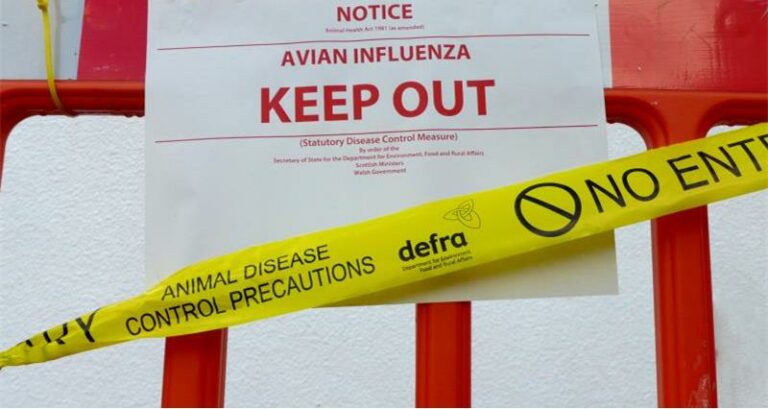
Following a number of detections of avian influenza in both poultry and wild birds across Norfolk, Suffolk and parts of Essex, the United Kingdom’s Deputy Chief Veterinary Officer has declared an Avian Influenza Prevention Zone (AIPZ) across the region to mitigate the risk of further outbreaks of disease occurring.

From midday on Tuesday 27 September it will be a legal requirement for all bird keepers in Norfolk, Suffolk and parts of Essex to follow strict biosecurity measures to help protect their flocks, of whatever type or size.

All bird keepers, including hobby and backyard poultry keepers and anyone who keeps chickens, ducks and geese as pets must take steps to limit the risk of the disease spreading to their animals.

Additionally, keepers with more than 500 birds will need to restrict access for non-essential people on their sites, workers will need to change clothing and footwear before entering bird enclosures and site vehicles will need to be cleaned and disinfected regularly to limit the risk of the disease spreading. There is also a mandatory requirement to keep records and to make them available on request.

The UK has faced its largest ever outbreak of bird flu with over 150 cases confirmed across the country since late October 2021. The introduction of this regional AIPZ comes after the disease was detected in kept birds at 10 premises in the affected regions since the beginning of September, as well as several reports in wild birds.

The United Kingdom’s Deputy Chief Veterinary Officer Richard Irvine said: “Following an increased number of detections of avian influenza we have declared an Avian Influenza Prevention Zone across Suffolk, Norfolk and parts of Essex. This means that all bird keepers in the region must urgently take action now to both prevent disease getting in to flocks and it spreading any further.

“Whether you keep just a few birds or thousands, you are now legally required to introduce stricter biosecurity standards on your farm or small holding. It is in your interests to do so in order to protect your birds from this highly infectious and devastating disease.”

The introduction of an AIPZ follows the recent increase in cases of bird flu in poultry and other captive birds in the area and increased reports of mass mortality in wild birds.

The regionalised AIPZ now in force does not include a requirement to house birds. However, this is being kept under constant review. Further disease control measures will be based on the latest scientific evidence and veterinary advice.

The Avian Influenza Prevention Zone (AIPZ) means bird keepers in the affected regions must:

  • Cleanse and disinfect clothing, footwear, equipment and vehicles before and after contact with poultry and captive birds – if practical, use disposable protective clothing
  • reduce the movement of people, vehicles or equipment to and from areas where poultry and captive birds are kept, to minimise contamination from manure, slurry and other products, and use effective vermin control
  • keep records of mortality, movement of poultry and poultry products and any changes in production
  • thoroughly cleanse and disinfect housing on a continuous basis
  • keep fresh disinfectant at the right concentration at all farm and poultry housing entry and exit points
  • minimise direct and indirect contact between poultry and captive birds and wild birds, including making sure all feed and water is not accessible to wild birds
  • prevent access by poultry to ponds and watercourses and ensure that birds are kept in fenced or enclosed areas

The AIPZ will be in place until further notice, and will be kept under regular review as part of the government’s work to monitor and manage the risks of bird flu.

Bird keepers and members of the public should report dead wild birds to Defra’s national dead wild bird helpline on 03459 33 55 77 and keepers should report suspicion of disease in their birds to APHA on 03000 200 301.

Share. Facebook Twitter LinkedIn Email
Previous ArticleLatest Rabobank report: global demand for poultry remains strong
Next Article Comment: The compelling case for more UK production
Chloe Ryan

Editor of Poultry Business, Chloe has spent the past decade writing about the food industry from farming, through manufacturing, retail and foodservice. When not working, dog walking and reading biographies are her favourite hobbies.

Read Similar Stories

Health & Welfare

Bird flu hits French duck sector with 7,600 culled, despite vaccination strategy

September 15, 20262 Mins Read
Food Safety

Salmonella cases rise as imported eggs remain in spotlight

September 15, 20262 Mins Read
Health & Welfare

Beating back the pests

September 10, 202612 Mins Read
Latest News

Avara announces £100m investment programme

September 17, 2026

Pilgrim’s Europe completes £6m update at Cambridgeshire poultry farm

September 16, 2026

Comment: I need a degree in meteorology

September 16, 2026
Sponsored Content

Make poultry diets more sustainable without compromising performance

September 7, 2026

Summer: Is this the best time to review and make improvements to your farm biosecurity?

August 1, 2026
© 2024 MA Agriculture Ltd, a Mark Allen Group company

Privacy Policy | Cookies Policy | Terms & Conditions

  • Farmers Weekly
  • AA Farmer
  • Farm Contractor
  • Pig World

Type above and press Enter to search. Press Esc to cancel.