

Poultry News
  • Production
    • Broiler Production
    • Ducks
    • Egg Production
    • Game
    • Hatching
    • Housing
    • Turkeys
  • Processing
  • Business & Politics
    • Business
    • Economics
    • EU & Politics
    • Marketing
    • People
    • Training & Education
  • Welfare
    • Environment
    • Food Safety
    • Vet & Medication
    • Welfare
  • Feed
  • Genetics
  • New Products
  • Magazines
    • November 2025
    • October 2025
    • September 2025
    • 2025 Buildings supplement
    • August 2025
    • 2025 Poultry Health supplement
    • July 2025
    • 2025 National Egg and Poultry Awards finalists supplement
    • June 2025
    • 2025 Innovation supplement
    • May 2025
    • April 2025
    • March 2025
    • 2025 Feed and Nutrition supplement
    • February 2025
    • January 2025
    • December 2024
    • November 2024
    • October 2024
    • September 2024
    • 2024 Building for the Future supplement
    • August 2024
    • 2024 Poultry Health supplement
    • July 2024
    • 2024 National Egg and Poultry Awards finalists supplement
    • June 2024
    • 2024 Innovation supplement
    • Pig & Poultry Fair 2024
    • May 2024
    • April 2024
    • March 2024
    • February 2024
    • January 2024
    • December 2023
    • November 2023
    • Processing Equipment Supplement – Nov 2023
    • October 2023
    • Building Supplement – Sept 2023
    • September 2023
  • Jobs
    • Browse Jobs
    • Post a Job
    • Manage Jobs
  • Events
    • National Egg and Poultry Awards
    • Poultry Fair
    • Webinars
Twitter LinkedIn
  • FREE Email Newsletters
  • About Us
  • Advertise
  • Subscribe
  • Contact Us
Twitter LinkedIn
Podcast
Poultry News
  • Production
    • Broiler Production
    • Ducks
    • Egg Production
    • Game
    • Hatching
    • Housing
    • Turkeys
  • Processing
  • Business & Politics
    • Business
    • Economics
    • EU & Politics
    • Marketing
    • People
    • Training & Education
  • Welfare
    • Environment
    • Food Safety
    • Vet & Medication
    • Welfare
  • Feed
  • Genetics
  • New Products
  • Magazines
    1. November 2025
    2. October 2025
    3. September 2025
    4. 2025 Buildings supplement
    5. August 2025
    6. 2025 Poultry Health supplement
    7. July 2025
    8. 2025 National Egg and Poultry Awards finalists supplement
    9. June 2025
    10. 2025 Innovation supplement
    11. May 2025
    12. April 2025
    13. March 2025
    14. 2025 Feed and Nutrition supplement
    15. February 2025
    16. January 2025
    17. December 2024
    18. November 2024
    19. October 2024
    20. September 2024
    21. 2024 Building for the Future supplement
    22. August 2024
    23. 2024 Poultry Health supplement
    24. July 2024
    25. 2024 National Egg and Poultry Awards finalists supplement
    26. June 2024
    27. 2024 Innovation supplement
    28. Pig & Poultry Fair 2024
    29. May 2024
    30. April 2024
    31. March 2024
    32. February 2024
    33. January 2024
    34. December 2023
    35. November 2023
    36. Processing Equipment Supplement – Nov 2023
    37. October 2023
    38. Building Supplement – Sept 2023
    39. September 2023
    Featured

    Poultry Business – November 2025 issue out now

    By Chloe RyanNovember 9, 2025
    Recent

    Poultry Business – November 2025 issue out now

    November 9, 2025

    Poultry Business – October 2025 issue out now

    October 13, 2025

    Poultry Business – September 2025 issue out now

    September 19, 2025
  • Jobs
    • Browse Jobs
    • Post a Job
    • Manage Jobs
  • Events
    • National Egg and Poultry Awards
    • Poultry Fair
    • Webinars
Twitter LinkedIn
Poultry News
Business & Politics

Scottish farmers AI housing order to be lifted at the end of February, with enhanced biosecurity

Chloe RyanBy Chloe RyanFebruary 20, 20174 Mins Read
Facebook Twitter LinkedIn Email
Share
Facebook Twitter LinkedIn Email

Poultry and egg farmers in Scotland will be allowed to let their birds out to range from the end of February, as long as they implement increased biosecurity measures.

The decision by the chief vet in Scotland means unlike their counterparts in Englandfree range 3, where the housing order will continue in certain ‘high risk’ areas, Scottish farmers will be able to retain their free range status, should they choose to risk allowing their birds outside.
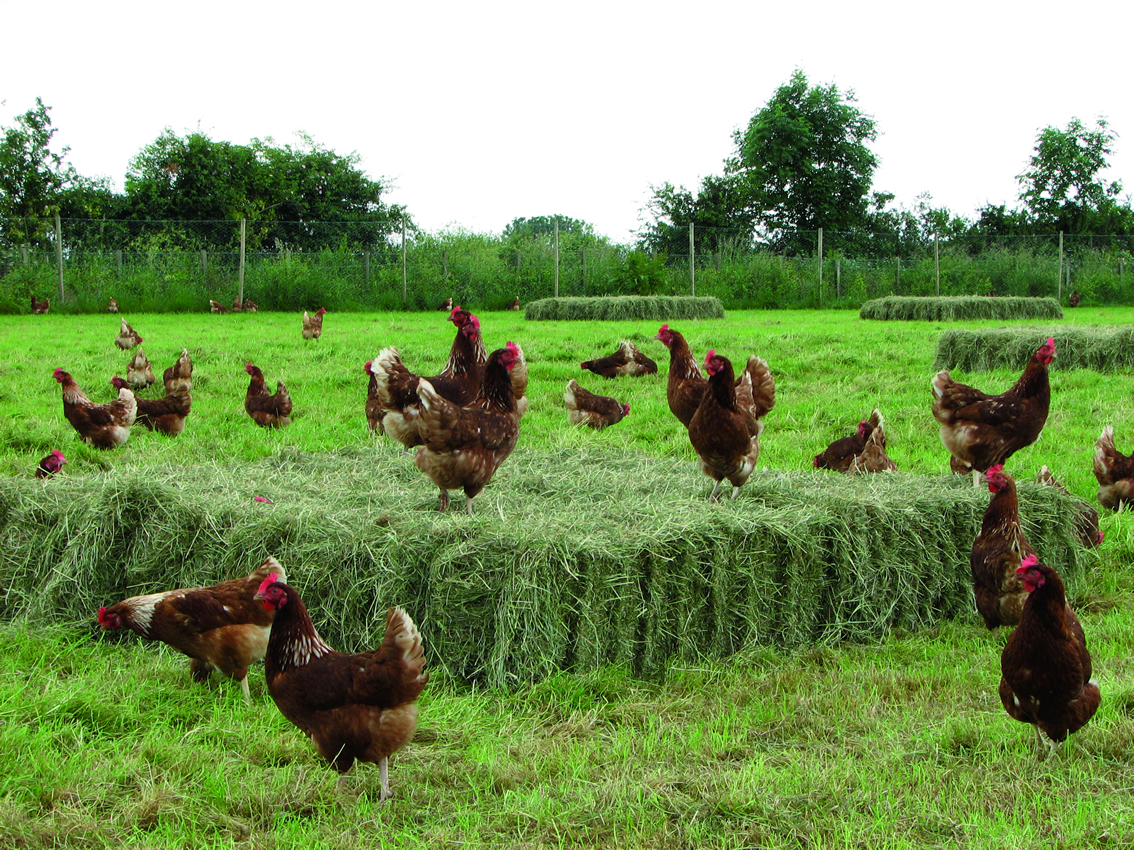
In a letter to farmers, Scotland’s chief vet Sheila Voas wrote: “From 28 February the requirements of the zone will change, meaning that keepers in Scotland can let their birds out provided that they have enhanced biosecurity measures in place.  Keepers will still have the option to house their birds – for many this will continue to be the easiest way to protect them from AI, but they will lose free range status under EU law by continuing to house.

“If keepers do intend to release their birds from 28 February then there are steps that they should begin taking now in order to make their range unattractive to wild birds for the remaining days in February – it is vital that these activities start as soon as possible.”

The steps recommended by Voas are:
o Net ponds and drain waterlogged areas of land.  If this isn’t possible, then can you fence them off from your birds so they cannot access it whilst ranging, or use an alternative paddock that doesn’t have access to water

o Remove any feeders and water stations from the range, or ensure that they are covered to sufficiently restrict access by wild birds

o Consider using decoy predators or other livestock (such as sheep or cattle) on the range, or allowing dogs to accompany you on foot patrols around the range. You could also consider bird scarers if their use is appropriate for the area (see NFU Code of Practice on bird scarers)

o Consider increasing the number of shelters on the range area

Last week the British Free Range Egg Producers Association complained different policies in different countries of the UK was unfair, and called on DEFRA to allow all free range hens in England to be allowed outside at the end of February before producers go out of business.

The organisation has written to Defra Minister Lord Gardiner and Chief Veterinary Officer Nigel Gibbens to highlight the serious inconsistency with which the UK governments have dealt with the issue.

England has designated Higher Risk Areas (HRAs) where birds must continue to be housed after 28 February. Those farms not in an HRA must put in place enhanced biosecurity protocols, but their flocks can range.

But there will be no compulsory housing for producers in Wales, where there has been an outbreak of the H5N8 strain this year. All flocks on Scottish farms will also be allowed outside.

BFREPA chief executive Robert Gooch said: “This inconsistent approach is proving divisive among producers in the UK and will spell the end for some of our members in England who will lose their free range status.

“There is a lack of common sense in an approach that allows birds on one side of the Severn Estuary to range, while across the border in England birds continue to be housed. It has created a postcode lottery.

“An outbreak at a broiler farm in Suffolk this week was outside of the proposed HRA, demonstrating that there is little science available to accurately pinpoint where HRAs should be.”

BFREPA estimates that about 150 of its members will be caught in an HRA and will be forced to downgrade their eggs from free range to barn at a cost of about 20p/dozen. They produce about two million eggs per day.

“The enhanced biosecurity measures proposed for the majority of English free range flocks outside of HRAs should apply all over the country, as has happened in Wales and Scotland,” Mr Gooch added.

“We are calling on Defra to review its position and change the policy before we see our producers go out of business.”

Share. Facebook Twitter LinkedIn Email
Previous ArticleRetail – with such an unpredictable 2016, what does 2017 hold for retail sales of poultry?
Next Article Egg marketing campaign targets social media with new videos
Chloe Ryan

Editor of Poultry Business, Chloe has spent the past decade writing about the food industry from farming, through manufacturing, retail and foodservice. When not working, dog walking and reading biographies are her favourite hobbies.

Read Similar Stories

Business & Politics

Comment: The secretary of state needs educating… fast

November 14, 20252 Mins Read
Business

Norsk Kylling’s approach to chicken

November 13, 20254 Mins Read
Business & Politics

Comment: We’ve got to deal with a lack of courage

November 13, 20252 Mins Read
Latest News

Comment: The secretary of state needs educating… fast

November 14, 2025

Two new avian flu outbreaks confirmed as UK total reaches 40 cases

November 14, 2025

Norsk Kylling’s approach to chicken

November 13, 2025
Sponsored Content

Can Aviance improve production and shell quality in full laying cycle?

October 1, 2025

How can UK farmers make poultry profitable without losing welfare?

September 1, 2025
© 2024 MA Agriculture Ltd, a Mark Allen Group company

Privacy Policy | Cookies Policy | Terms & Conditions

  • Farmers Weekly
  • AA Farmer
  • Farm Contractor
  • Pig World

Type above and press Enter to search. Press Esc to cancel.