

Poultry News
  • Production
    • Broiler Production
    • Ducks
    • Egg Production
    • Game
    • Hatching
    • Housing
    • Turkeys
  • Processing
  • Business & Politics
    • Business
    • Economics
    • EU & Politics
    • Marketing
    • People
    • Training & Education
  • Welfare
    • Environment
    • Food Safety
    • Vet & Medication
    • Welfare
  • Feed
  • Genetics
  • New Products
  • Magazines
    • July 2026
    • 2026 National Egg and Poultry Awards finalists supplement
    • June 2026
    • 2026 Innovation Supplement
    • 2026 British Pig & Poultry Fair guide
    • May 2026
    • March 2026
    • 2026 Feed & Nutrition supplement
    • February 2026
    • January 2026
    • December 2025
    • November 2025
    • October 2025
    • September 2025
    • 2025 Buildings supplement
    • August 2025
    • 2025 Poultry Health supplement
    • July 2025
    • 2025 National Egg and Poultry Awards finalists supplement
    • June 2025
    • 2025 Innovation supplement
    • May 2025
    • April 2025
    • March 2025
    • 2025 Feed and Nutrition supplement
    • February 2025
    • January 2025
    • December 2024
    • November 2024
    • October 2024
    • September 2024
    • 2024 Building for the Future supplement
    • August 2024
    • 2024 Poultry Health supplement
    • July 2024
    • 2024 National Egg and Poultry Awards finalists supplement
    • June 2024
    • 2024 Innovation supplement
    • Pig & Poultry Fair 2024
    • May 2024
    • April 2024
    • March 2024
    • February 2024
    • January 2024
    • December 2023
    • November 2023
    • Processing Equipment Supplement – Nov 2023
    • October 2023
    • Building Supplement – Sept 2023
    • September 2023
  • Jobs
    • Browse Jobs
    • Post a Job
    • Manage Jobs
  • Events
    • National Egg and Poultry Awards
    • Poultry Fair
    • Webinars
Twitter LinkedIn
  • FREE Email Newsletters
  • About Us
  • Advertise
  • Subscribe
  • Contact Us
Twitter LinkedIn
Podcast
Poultry News
  • Production
    • Broiler Production
    • Ducks
    • Egg Production
    • Game
    • Hatching
    • Housing
    • Turkeys
  • Processing
  • Business & Politics
    • Business
    • Economics
    • EU & Politics
    • Marketing
    • People
    • Training & Education
  • Welfare
    • Environment
    • Food Safety
    • Vet & Medication
    • Welfare
  • Feed
  • Genetics
  • New Products
  • Magazines
    1. July 2026
    2. 2026 National Egg and Poultry Awards finalists supplement
    3. June 2026
    4. 2026 Innovation Supplement
    5. 2026 British Pig & Poultry Fair guide
    6. May 2026
    7. March 2026
    8. 2026 Feed & Nutrition supplement
    9. February 2026
    10. January 2026
    11. December 2025
    12. November 2025
    13. October 2025
    14. September 2025
    15. 2025 Buildings supplement
    16. August 2025
    17. 2025 Poultry Health supplement
    18. July 2025
    19. 2025 National Egg and Poultry Awards finalists supplement
    20. June 2025
    21. 2025 Innovation supplement
    22. May 2025
    23. April 2025
    24. March 2025
    25. 2025 Feed and Nutrition supplement
    26. February 2025
    27. January 2025
    28. December 2024
    29. November 2024
    30. October 2024
    31. September 2024
    32. 2024 Building for the Future supplement
    33. August 2024
    34. 2024 Poultry Health supplement
    35. July 2024
    36. 2024 National Egg and Poultry Awards finalists supplement
    37. June 2024
    38. 2024 Innovation supplement
    39. Pig & Poultry Fair 2024
    40. May 2024
    41. April 2024
    42. March 2024
    43. February 2024
    44. January 2024
    45. December 2023
    46. November 2023
    47. Processing Equipment Supplement – Nov 2023
    48. October 2023
    49. Building Supplement – Sept 2023
    50. September 2023
    Featured

    Poultry Business – July 2026 issue out now

    By Chloe RyanJuly 2, 2026
    Recent

    Poultry Business – July 2026 issue out now

    July 2, 2026

    2026 National Egg and Poultry Awards finalists supplement out now

    July 2, 2026

    Poultry Business – June 2026 issue out now

    June 8, 2026
  • Jobs
    • Browse Jobs
    • Post a Job
    • Manage Jobs
  • Events
    • National Egg and Poultry Awards
    • Poultry Fair
    • Webinars
Twitter LinkedIn
Poultry News
Business & Politics

High and volatile egg prices impact markets and industry business models

Chloe RyanBy Chloe RyanJune 20, 20233 Mins Read
Facebook Twitter LinkedIn Email
Share
Facebook Twitter LinkedIn Email

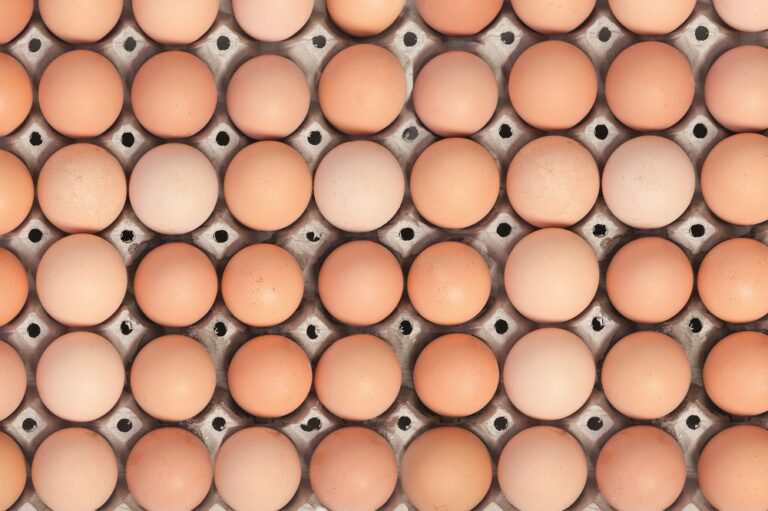
Egg prices have become increasingly volatile and reached record-high levels in markets across the globe this year. This is greatly impacting consumers and players in the egg supply chain – from breeders and producers to customers in retail, foodservice, and food processing.

These changes are likely to require a rethink of industry value chains, from producers to customers, and how governments interact with the value chain, according to a new report from Rabobank.

While consumers face high prices and availability issues, suppliers struggle with disease, cost inflation, new regulations, government intervention, and changing consumer demand. This has resulted in supply chain disruptions, with considerable price volatility, high price peaks, and, in some cases, empty supermarket shelves.

Limited customer commitment has pushed high market risks through to producers and resulted in additional market volatility. Although prices have started to drop in some markets, like the US, global prices are expected to stay relatively high throughout 2023 and into 2024, albeit lower on average than the levels seen in Q1 2023 and with differences between countries.

The main exception is the US, where prices have started to drop significantly. “The key issue there is that consumers have reduced egg consumption at a time when farms are transitioning toward cage-free production while old capacity is still operational, leading to high production. Meanwhile, a sudden drop in the number of avian flu cases in commercial laying hen farms has resulted in more supply than expected. Prices are expected to recover later in the year when market balance returns,” said Nan-Dirk Mulder, senior analyst – animal protein at Rabobank.

“The US situation is expected to be an exception worldwide. Prices will stay especially high and increasingly volatile in markets heavily impacted by avian influenza, high costs, and regulatory changes. In other markets, prices will drop but not to pre-2021 levels, as lingering high input costs will keep prices elevated.”

A major concern related to high and volatile egg prices is the impact on low-income consumers, especially in emerging markets. For these consumers, eggs are a major staple food and an important source of proteins and nutrients like Vitamins B6, B12, and D, and they are widely distributed, as no cooling is needed. Eggs are positioned in these markets as one of the most affordable proteins. If eggs become more expensive or less widely available for these consumers, it could raise significant social and health risks.

Additionally, some governments have become worried about high food prices (including eggs) and have intervened in markets by imposing price ceilings (especially in Asia) and opening imports of eggs and egg products. This usually makes the operational context more challenging for local producers, who are not able to pass on high costs under these new circumstances, and consequently reduces production (as seen in Malaysia and more recently in Egypt), worsening availability and creating additional market volatility.

Market trends can quickly turn, as seen in the US market, revealing how important it is to rethink business models in the value chain. “In the longer term, a refocused and measured approach to better balance market supply and demand, pricing, and risks in the value chain is important. Such an approach should include the key tools of more customer commitment, more demand-driven value chain cooperation, strategies to reduce the impact of avian influenza and government interventions, and better access to finance for the sector,” said Mulder. “The egg industry, customers, governments, and other stakeholders will need to join efforts to optimise value chains and link these efforts to industry business models.”

Share. Facebook Twitter LinkedIn Email
Previous ArticleSt Ewe Free Range Eggs attempts to break world record
Next Article Grocery inflation falls to slowest monthly rate this year
Chloe Ryan

Editor of Poultry Business, Chloe has spent the past decade writing about the food industry from farming, through manufacturing, retail and foodservice. When not working, dog walking and reading biographies are her favourite hobbies.

Read Similar Stories

Business

Skea Egg Farms reports higher revenue and profits

July 1, 20261 Min Read
Business

Fairburn & Son revenue dips as investment programme continues

July 1, 20261 Min Read
Business & Politics

EU broiler prices surpass €3/kg in June

June 26, 20262 Mins Read
Latest News

Comment: Reflections on a year of lower stocking densities

July 3, 2026

Comment: British farms have a vast uptapped water asset

July 3, 2026

Breeding success

July 2, 2026
Sponsored Content

Longer laying cycles need longer Salmonella protection

July 1, 2026

Take Control of Your Farm’s Biosecurity with Livetec

May 1, 2026
© 2024 MA Agriculture Ltd, a Mark Allen Group company

Privacy Policy | Cookies Policy | Terms & Conditions

  • Farmers Weekly
  • AA Farmer
  • Farm Contractor
  • Pig World

Type above and press Enter to search. Press Esc to cancel.