


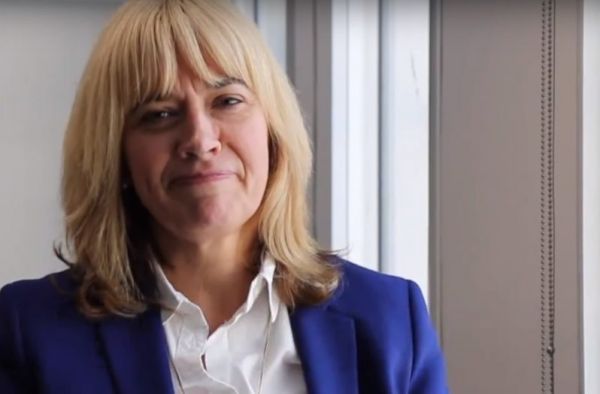
The UK’s chief veterinary officer, Christine Middlemiss, has warned producers that the country faces “another difficult year” of avian influenza, as officials continue to manage high levels of infection in both wild birds and domestic poultry.
Speaking at BFREPA Live last week, held in Telford, alongside Gordon Hickman, who leads the UK’s avian influenza response team, Middlemiss confirmed that authorities “confirmed another infected premises yesterday morning.” She noted that the UK has not returned to full disease freedom since March 2021 due to “the continual circulation of H5N1,” adding that the confirmation of cases through the past two summers means the disease has now run for “three full years of continuous virus activity.”
Explaining why the threat remains so persistent, Middlemiss said “virus behaviour in wild birds has changed,” with some migratory species now remaining infected through summer. She added that “transmission back into domestic poultry is occurring repeatedly” and that storms and wild-bird movements are allowing spread “even outside traditional peak seasons.”
Middlemiss highlighted international concern about the evolution of H5N1, noting that a genotype linked to dairy cattle infections in the US “represents adaptation towards mammals,” although this has not been detected in UK herds.
Hickman told delegates that while the mammalian infections seen overseas underline the need for vigilance, “that is not what we are seeing in the UK at this time.” He said occasional cases in foxes, otters and seals were linked to scavenging and stressed: “There is no evidence at this stage of sustained mammal-to-mammal transmission in the UK.”
Both emphasised biosecurity, with Hickman noting that it is “not just about boot dips and disinfectant” but also about “physical barriers, behavioural change, staff training” and controlling how equipment, vehicles and people move on and off farms.
On vaccination, Hickman said significant research is underway, including international field trials. He said authorities want vaccines that “prevent clinical disease, reduce shedding, and allow us to distinguish vaccinated from infected birds,” adding that vaccination “is not a quick solution but it is part of long-term planning.”