

Poultry News
  • Production
    • Broiler Production
    • Ducks
    • Egg Production
    • Game
    • Hatching
    • Housing
    • Turkeys
  • Processing
  • Business & Politics
    • Business
    • Economics
    • EU & Politics
    • Marketing
    • People
    • Training & Education
  • Welfare
    • Environment
    • Food Safety
    • Vet & Medication
    • Welfare
  • Feed
  • Genetics
  • New Products
  • Magazines
    • July 2026
    • 2026 National Egg and Poultry Awards finalists supplement
    • June 2026
    • 2026 Innovation Supplement
    • 2026 British Pig & Poultry Fair guide
    • May 2026
    • March 2026
    • 2026 Feed & Nutrition supplement
    • February 2026
    • January 2026
    • December 2025
    • November 2025
    • October 2025
    • September 2025
    • 2025 Buildings supplement
    • August 2025
    • 2025 Poultry Health supplement
    • July 2025
    • 2025 National Egg and Poultry Awards finalists supplement
    • June 2025
    • 2025 Innovation supplement
    • May 2025
    • April 2025
    • March 2025
    • 2025 Feed and Nutrition supplement
    • February 2025
    • January 2025
    • December 2024
    • November 2024
    • October 2024
    • September 2024
    • 2024 Building for the Future supplement
    • August 2024
    • 2024 Poultry Health supplement
    • July 2024
    • 2024 National Egg and Poultry Awards finalists supplement
    • June 2024
    • 2024 Innovation supplement
    • Pig & Poultry Fair 2024
    • May 2024
    • April 2024
    • March 2024
    • February 2024
    • January 2024
    • December 2023
    • November 2023
    • Processing Equipment Supplement – Nov 2023
    • October 2023
    • Building Supplement – Sept 2023
    • September 2023
  • Jobs
    • Browse Jobs
    • Post a Job
    • Manage Jobs
  • Events
    • National Egg and Poultry Awards
    • Poultry Fair
    • Webinars
Twitter LinkedIn
  • FREE Email Newsletters
  • About Us
  • Advertise
  • Subscribe
  • Contact Us
Twitter LinkedIn
Podcast
Poultry News
  • Production
    • Broiler Production
    • Ducks
    • Egg Production
    • Game
    • Hatching
    • Housing
    • Turkeys
  • Processing
  • Business & Politics
    • Business
    • Economics
    • EU & Politics
    • Marketing
    • People
    • Training & Education
  • Welfare
    • Environment
    • Food Safety
    • Vet & Medication
    • Welfare
  • Feed
  • Genetics
  • New Products
  • Magazines
    1. July 2026
    2. 2026 National Egg and Poultry Awards finalists supplement
    3. June 2026
    4. 2026 Innovation Supplement
    5. 2026 British Pig & Poultry Fair guide
    6. May 2026
    7. March 2026
    8. 2026 Feed & Nutrition supplement
    9. February 2026
    10. January 2026
    11. December 2025
    12. November 2025
    13. October 2025
    14. September 2025
    15. 2025 Buildings supplement
    16. August 2025
    17. 2025 Poultry Health supplement
    18. July 2025
    19. 2025 National Egg and Poultry Awards finalists supplement
    20. June 2025
    21. 2025 Innovation supplement
    22. May 2025
    23. April 2025
    24. March 2025
    25. 2025 Feed and Nutrition supplement
    26. February 2025
    27. January 2025
    28. December 2024
    29. November 2024
    30. October 2024
    31. September 2024
    32. 2024 Building for the Future supplement
    33. August 2024
    34. 2024 Poultry Health supplement
    35. July 2024
    36. 2024 National Egg and Poultry Awards finalists supplement
    37. June 2024
    38. 2024 Innovation supplement
    39. Pig & Poultry Fair 2024
    40. May 2024
    41. April 2024
    42. March 2024
    43. February 2024
    44. January 2024
    45. December 2023
    46. November 2023
    47. Processing Equipment Supplement – Nov 2023
    48. October 2023
    49. Building Supplement – Sept 2023
    50. September 2023
    Featured

    Poultry Business – July 2026 issue out now

    By Chloe RyanJuly 2, 2026
    Recent

    Poultry Business – July 2026 issue out now

    July 2, 2026

    2026 National Egg and Poultry Awards finalists supplement out now

    July 2, 2026

    Poultry Business – June 2026 issue out now

    June 8, 2026
  • Jobs
    • Browse Jobs
    • Post a Job
    • Manage Jobs
  • Events
    • National Egg and Poultry Awards
    • Poultry Fair
    • Webinars
Twitter LinkedIn
Poultry News
Business & Politics

Analysis: RSPCA acts on member concerns over welfare rules

Chloe RyanBy Chloe RyanJanuary 7, 20255 Mins Read
Facebook Twitter LinkedIn Email
Share
Facebook Twitter LinkedIn Email

RSPCA u-turns on standards after ‘unprecedented’ backlash from producers

A year ago, RSPCA let a fox into the henhouse, with the publication of new standards for laying hens in its assurance scheme. The fallout was immediate. Producers were alarmed at the list of new requirements.

The list of requirements included compulsory verandas on all barn units and on all new and refurbished free range units (existing free-range members were exempt). There was also a new requirement for natural daylight.

An alliance comprised of BFPEPA, the BEIC and NFU communicated clearly the strength of feeling among producers. They said, in no uncertain terms, the new standards would be very difficult and in some cases impossible to implement.

But now, a compromised list of new requirements has been published, hammered out over months of negotiations, and after a series of very public interventions from the likes of Gary Ford, formerly chief executive of the BEIC, and newly appointed PR and strategy advisor for BFREPA.

Unprecedented

He wrote in PB in the autumn of his frustration at the lack of progress. “If we are to come through this difficult period, then we need compromise on some of the new standards,” he said.

Kelly Grellier, RSPCA Assured’s chief commercial officer, also noted the difficulties of the past year: “The strength of feeling and feedback on the new standards has been unprecedented. Our members are fundamental in helping us improve hen welfare, and we have listened and taken action.”

She added: “We’ve made a number of amendments and clarifications to the standards. We hope these amendments will alleviate concerns and provide greater support to our members so they can achieve the new standards.”

After a series of meetings between the parties, RSPCA Assured said the amendments had been made “in direct response to concerns raised by both RSPCA Assured members and the laying hen industry.”

Key changes

They include key changes such as:

Extending the general implementation date for the standards to 1 May 2025. This means members can continue to use the current 2017 version until 1 May 2025.

One particularly contentious change was the requirement for verandas. RSPCA said the requirement for new free-range members or existing members carrying out a major refurbishment to install a veranda, originally announced in November, has been removed.

For barn members however, the requirement will remain and verandas must be installed on all barn buildings by no later than 1 January 2030.

Natural daylight

Additional natural daylight within the main laying house, corresponding to at least 3% of the total floor area, must be provided in all free-range systems by no later than 1 January 2032. This is a year longer than previously announced. Popholes can be counted towards the natural daylight allowance. Many free-range producers will already be providing approximately half of the natural daylight requirement through existing popholes, RSPCA Assured said.

Newly approved buildings and refurbished buildings are no longer required to install windows from August 2024.

Committing to commissioning an independent researcher to develop in-depth case studies from farms which are already achieving 3% natural daylight – and those that are working towards it is another step RSPCA Assured has committed to. Case studies will be made available as soon as each one is completed.

The assurance scheme has also u-turned on several other components of the standards. These include:

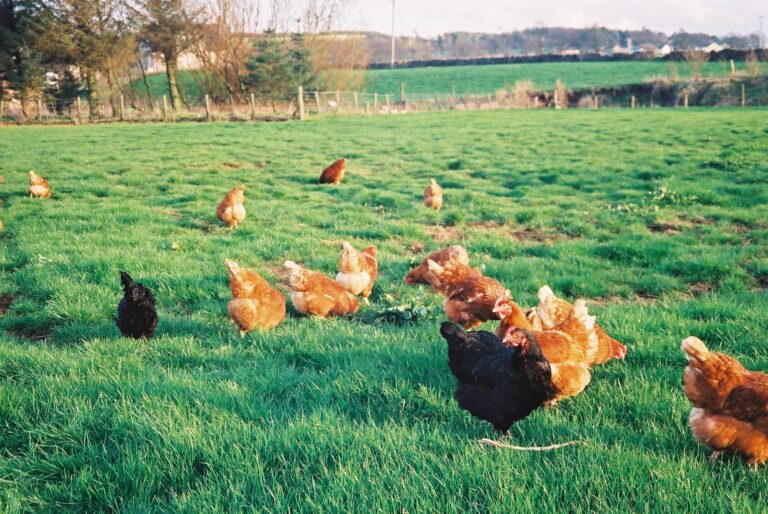
Fences on the range: The standards no longer require fences on the range to have a gap of 45cm underneath them. The standards will now require that any fencing or restrictions on the range must not inhibit the hens’ ability to access the range area. These changes ensure the standard is achievable for a variety of different farm setups.

Pophole base height: The standards previously stated for existing buildings that ‘where the base of a pophole is more than 40cm from the house floor, ramps or platforms must be provided’. This has now been increased by 5cm (to 45cm) in line with the industry standard pophole base height.

Natural cover: The implementation date for the provision of 20% natural cover has been extended for an additional year from 1 May 2026 to 1 May 2027, to allow members two full planting seasons to grow the required trees and shrubs.

However, RSPCA said it was aware that in some regions it’s difficult to grow trees and shrubs. Members in this situation are encouraged to contact the organisation so it “can provide expert advice on alternatives that will work for their specific environment.”

Independent research

The laying hen industry has also started the process for commissioning research in this area and have submitted an initial proposal to the RSPCA and RSPCA Assured for review. Whilst the RSPCA’s commitment to the natural daylight standard will remain the same – along with the implementation date of 2032, if the research is scientifically robust and delivers meaningful results that everyone can have confidence in, “the RSPCA and RSPCA Assured will commit to taking due account of this and use the research to further influence the natural daylight standard if needed.”

Grellier added: “Our specialist farming engagement team is also on hand to give in-person support to those who need it.

“We will continue to talk to our members and the industry about the new standards – and review how we can improve communication when developing new standards in the future.”

Members hub

RSPCA Assured said it would soon be launching a brand new online laying hen members hub, which will provide members with additional support and guidance on how to meet the new standards. The site will host case studies for natural daylight (once they are ready), a digital calculator for members to calculate their current natural daylight provision through popholes, as well as a number of other useful resources.

Share. Facebook Twitter LinkedIn Email
Previous ArticlePoultry Business – January 2025
Next Article Comment: What I learnt at the young farmers’ pudding evening
Chloe Ryan

Editor of Poultry Business, Chloe has spent the past decade writing about the food industry from farming, through manufacturing, retail and foodservice. When not working, dog walking and reading biographies are her favourite hobbies.

Read Similar Stories

Business & Politics

EU broiler prices remain close to record highs

August 6, 20262 Mins Read
Business & Politics

AIMS launches legal challenge over French border checks

August 4, 20262 Mins Read
Business & Politics

Chicken prices buck the trend as supermarket meat inflation eases

August 4, 20263 Mins Read
Latest News

NFU issues antibiotic warning over Brazilian poultry imports

August 7, 2026

Comment: Do we need to change the way we design our poultry houses to cope with the heat?

August 7, 2026

Analysis: Heatwave exposes growing challenge for UK poultry sector

August 7, 2026
Sponsored Content

Summer: Is this the best time to review and make improvements to your farm biosecurity?

August 1, 2026

Longer laying cycles need longer Salmonella protection

July 1, 2026
© 2024 MA Agriculture Ltd, a Mark Allen Group company

Privacy Policy | Cookies Policy | Terms & Conditions

  • Farmers Weekly
  • AA Farmer
  • Farm Contractor
  • Pig World

Type above and press Enter to search. Press Esc to cancel.