


Poultry News
  • Production
    • Broiler Production
    • Ducks
    • Egg Production
    • Game
    • Hatching
    • Housing
    • Turkeys
  • Processing
  • Business & Politics
    • Business
    • Economics
    • EU & Politics
    • Marketing
    • People
    • Training & Education
  • Welfare
    • Environment
    • Food Safety
    • Vet & Medication
    • Welfare
  • Feed
  • Genetics
  • New Products
  • Magazines
    • March 2026
    • 2026 Feed & Nutrition supplement
    • February 2026
    • January 2026
    • December 2025
    • November 2025
    • October 2025
    • September 2025
    • 2025 Buildings supplement
    • August 2025
    • 2025 Poultry Health supplement
    • July 2025
    • 2025 National Egg and Poultry Awards finalists supplement
    • June 2025
    • 2025 Innovation supplement
    • May 2025
    • April 2025
    • March 2025
    • 2025 Feed and Nutrition supplement
    • February 2025
    • January 2025
    • December 2024
    • November 2024
    • October 2024
    • September 2024
    • 2024 Building for the Future supplement
    • August 2024
    • 2024 Poultry Health supplement
    • July 2024
    • 2024 National Egg and Poultry Awards finalists supplement
    • June 2024
    • 2024 Innovation supplement
    • Pig & Poultry Fair 2024
    • May 2024
    • April 2024
    • March 2024
    • February 2024
    • January 2024
    • December 2023
    • November 2023
    • Processing Equipment Supplement – Nov 2023
    • October 2023
    • Building Supplement – Sept 2023
    • September 2023
  • Jobs
    • Browse Jobs
    • Post a Job
    • Manage Jobs
  • Events
    • National Egg and Poultry Awards
    • Poultry Fair
    • Webinars
Twitter LinkedIn
  • FREE Email Newsletters
  • About Us
  • Advertise
  • Subscribe
  • Contact Us
Twitter LinkedIn
Podcast
Poultry News
  • Production
    • Broiler Production
    • Ducks
    • Egg Production
    • Game
    • Hatching
    • Housing
    • Turkeys
  • Processing
  • Business & Politics
    • Business
    • Economics
    • EU & Politics
    • Marketing
    • People
    • Training & Education
  • Welfare
    • Environment
    • Food Safety
    • Vet & Medication
    • Welfare
  • Feed
  • Genetics
  • New Products
  • Magazines
    1. March 2026
    2. 2026 Feed & Nutrition supplement
    3. February 2026
    4. January 2026
    5. December 2025
    6. November 2025
    7. October 2025
    8. September 2025
    9. 2025 Buildings supplement
    10. August 2025
    11. 2025 Poultry Health supplement
    12. July 2025
    13. 2025 National Egg and Poultry Awards finalists supplement
    14. June 2025
    15. 2025 Innovation supplement
    16. May 2025
    17. April 2025
    18. March 2025
    19. 2025 Feed and Nutrition supplement
    20. February 2025
    21. January 2025
    22. December 2024
    23. November 2024
    24. October 2024
    25. September 2024
    26. 2024 Building for the Future supplement
    27. August 2024
    28. 2024 Poultry Health supplement
    29. July 2024
    30. 2024 National Egg and Poultry Awards finalists supplement
    31. June 2024
    32. 2024 Innovation supplement
    33. Pig & Poultry Fair 2024
    34. May 2024
    35. April 2024
    36. March 2024
    37. February 2024
    38. January 2024
    39. December 2023
    40. November 2023
    41. Processing Equipment Supplement – Nov 2023
    42. October 2023
    43. Building Supplement – Sept 2023
    44. September 2023
    Featured

    Poultry Business – March 2026 issue out now

    By Chloe RyanMarch 11, 2026
    Recent

    Poultry Business – March 2026 issue out now

    March 11, 2026

    Poultry Business – 2026 Feed & Nutrition supplement out now

    March 11, 2026

    Poultry Business – February 2026 issue out now

    February 11, 2026
  • Jobs
    • Browse Jobs
    • Post a Job
    • Manage Jobs
  • Events
    • National Egg and Poultry Awards
    • Poultry Fair
    • Webinars
Twitter LinkedIn
Poultry News
Production

New research shows better leg health and tenderness in native breed turkeys

Chloe RyanBy Chloe RyanDecember 9, 20202 Mins Read
Facebook Twitter LinkedIn Email
Share
Facebook Twitter LinkedIn Email

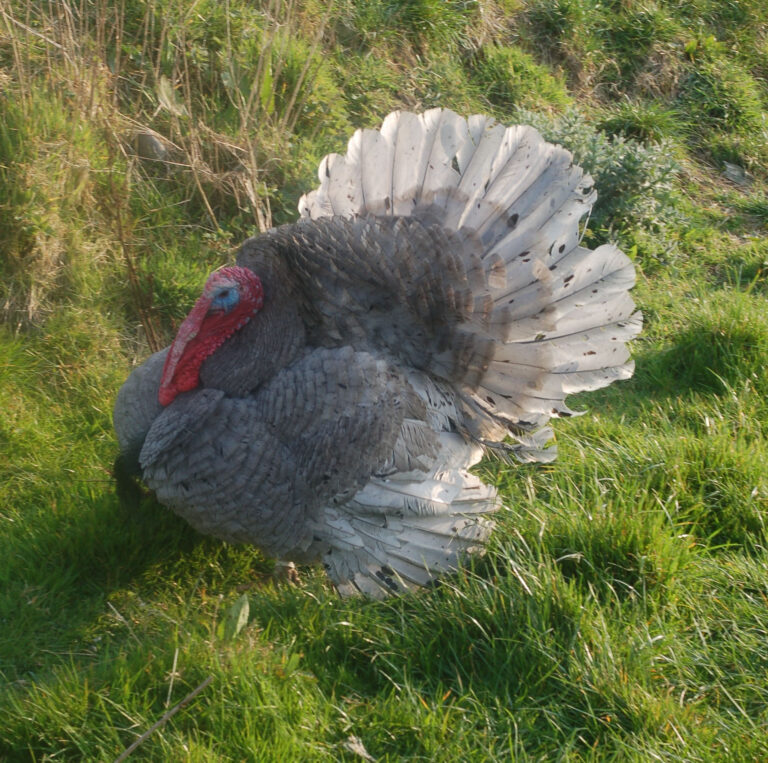
New scientific research has shown that native breed turkeys have stronger leg bones than commercial strains of turkey within the study.

The research project, a collaboration between Rare Breeds Survival Trust (RBST) and the Poultry Research Unit at Nottingham Trent University, also found Norfolk Black native breed turkey breast meat to be more tender than commercial turkey breast meat.

There are currently 11 native breeds of turkey on the RBST Watchlist for rare poultry, including the Slate, Norfolk Black and British White breeds. RBST is encouraging poultry farmers to consider the commercial advantages which are associated with the findings of the new research.

RBST Chief Executive Christopher Price said: “These findings highlight two important commercial advantages for farmers who choose native breed turkeys. Firstly, stronger leg bones can reduce the losses from lameness that are an ongoing concern for many commercial turkey businesses.

“Secondly, the improved tenderness of the native breed turkey meat is appealing for consumers, particularly as the trend grows for eating less meat but choosing high quality products that are sourced locally and which are reared in high welfare systems.” 

Eight native breed turkeys (Norfolk Black and Slate breeds) were compared to a test set of 20 commercial birds, with measurements taken at 12 and 18 weeks for the commercial strains in order to benchmark meat quality in the native breeds. Tenderness was measured as the force exerted on the sample in order to elicit a representative change in tension. Bone strength was assessed by measuring tibia and femur strength per kilogram of bird weight.

The research project was led by Nottingham Trent University’s Professor Emily Burton and RBST Head of Conservation Professor Philippe Wilson, also a Professor in the School of Animal, Rural and Environmental Sciences at NTU. 

Professor Emily Burton said: “Whilst native breeds of livestock such as these turkeys are rare, this is not because they are not good food sources, it is because not many are kept and they take a long time to grow when compared to their commercial friends. We need commercial turkey meat for the market, and this suggests that whilst these strains are excellent as being batch produced and offered to consumers, native breed turkeys can also be a tasty alternative, and are good strong birds.”

The full report, ‘An investigation into the production qualities of native breed and commercial turkeys: a pilot study’ can be obtained from RBST. 

Share. Facebook Twitter LinkedIn Email
Previous ArticleBoehringer Ingelheim becomes member of International Poultry Council
Next Article Avara Foods launches Love Your Turkey Leftovers campaign
Chloe Ryan

Editor of Poultry Business, Chloe has spent the past decade writing about the food industry from farming, through manufacturing, retail and foodservice. When not working, dog walking and reading biographies are her favourite hobbies.

Read Similar Stories

Broiler Production

Comment: There is an unfamiliar yellow disc in the sky

March 13, 20263 Mins Read
Production

Hugh Carter’s carbon journey

March 12, 202610 Mins Read
Production

EU poultry production surges in February, while markets make gains

March 9, 20262 Mins Read
Latest News

Comment: There is an unfamiliar yellow disc in the sky

March 13, 2026

Comment: The good AI and the bad AI

March 13, 2026

Hugh Carter’s carbon journey

March 12, 2026
Sponsored Content

Stay one step ahead of outbreaks

December 3, 2025

Can Aviance improve production and shell quality in full laying cycle?

October 1, 2025
© 2024 MA Agriculture Ltd, a Mark Allen Group company

Privacy Policy | Cookies Policy | Terms & Conditions

  • Farmers Weekly
  • AA Farmer
  • Farm Contractor
  • Pig World

Type above and press Enter to search. Press Esc to cancel.