
Poultry News
  • Production
    • Broiler Production
    • Ducks
    • Egg Production
    • Game
    • Hatching
    • Housing
    • Turkeys
  • Processing
  • Business & Politics
    • Business
    • Economics
    • EU & Politics
    • Marketing
    • People
    • Training & Education
  • Welfare
    • Environment
    • Food Safety
    • Vet & Medication
    • Welfare
  • Feed
  • Genetics
  • New Products
  • Magazines
    • December 2025
    • November 2025
    • October 2025
    • September 2025
    • 2025 Buildings supplement
    • August 2025
    • 2025 Poultry Health supplement
    • July 2025
    • 2025 National Egg and Poultry Awards finalists supplement
    • June 2025
    • 2025 Innovation supplement
    • May 2025
    • April 2025
    • March 2025
    • 2025 Feed and Nutrition supplement
    • February 2025
    • January 2025
    • December 2024
    • November 2024
    • October 2024
    • September 2024
    • 2024 Building for the Future supplement
    • August 2024
    • 2024 Poultry Health supplement
    • July 2024
    • 2024 National Egg and Poultry Awards finalists supplement
    • June 2024
    • 2024 Innovation supplement
    • Pig & Poultry Fair 2024
    • May 2024
    • April 2024
    • March 2024
    • February 2024
    • January 2024
    • December 2023
    • November 2023
    • Processing Equipment Supplement – Nov 2023
    • October 2023
    • Building Supplement – Sept 2023
    • September 2023
  • Jobs
    • Browse Jobs
    • Post a Job
    • Manage Jobs
  • Events
    • National Egg and Poultry Awards
    • Poultry Fair
    • Webinars
Twitter LinkedIn
  • FREE Email Newsletters
  • About Us
  • Advertise
  • Subscribe
  • Contact Us
Twitter LinkedIn
Podcast
Poultry News
  • Production
    • Broiler Production
    • Ducks
    • Egg Production
    • Game
    • Hatching
    • Housing
    • Turkeys
  • Processing
  • Business & Politics
    • Business
    • Economics
    • EU & Politics
    • Marketing
    • People
    • Training & Education
  • Welfare
    • Environment
    • Food Safety
    • Vet & Medication
    • Welfare
  • Feed
  • Genetics
  • New Products
  • Magazines
    1. December 2025
    2. November 2025
    3. October 2025
    4. September 2025
    5. 2025 Buildings supplement
    6. August 2025
    7. 2025 Poultry Health supplement
    8. July 2025
    9. 2025 National Egg and Poultry Awards finalists supplement
    10. June 2025
    11. 2025 Innovation supplement
    12. May 2025
    13. April 2025
    14. March 2025
    15. 2025 Feed and Nutrition supplement
    16. February 2025
    17. January 2025
    18. December 2024
    19. November 2024
    20. October 2024
    21. September 2024
    22. 2024 Building for the Future supplement
    23. August 2024
    24. 2024 Poultry Health supplement
    25. July 2024
    26. 2024 National Egg and Poultry Awards finalists supplement
    27. June 2024
    28. 2024 Innovation supplement
    29. Pig & Poultry Fair 2024
    30. May 2024
    31. April 2024
    32. March 2024
    33. February 2024
    34. January 2024
    35. December 2023
    36. November 2023
    37. Processing Equipment Supplement – Nov 2023
    38. October 2023
    39. Building Supplement – Sept 2023
    40. September 2023
    Featured

    Poultry Business – December 2025 issue out now

    By Chloe RyanDecember 8, 2025
    Recent

    Poultry Business – December 2025 issue out now

    December 8, 2025

    Poultry Business – November 2025 issue out now

    November 9, 2025

    Poultry Business – October 2025 issue out now

    October 13, 2025
  • Jobs
    • Browse Jobs
    • Post a Job
    • Manage Jobs
  • Events
    • National Egg and Poultry Awards
    • Poultry Fair
    • Webinars
Twitter LinkedIn
Poultry News
Feed & Nutrition

Mycotoxin risk alert issued for GB winter wheat

Colin LeyBy Colin LeyJuly 18, 20163 Mins Read
Facebook Twitter LinkedIn Email
Share
Facebook Twitter LinkedIn Email

Winter wheat growers in Britain have been alerted to an increased risk of mycotoxins entering the food and feed chain, compared with conditions in 2015.

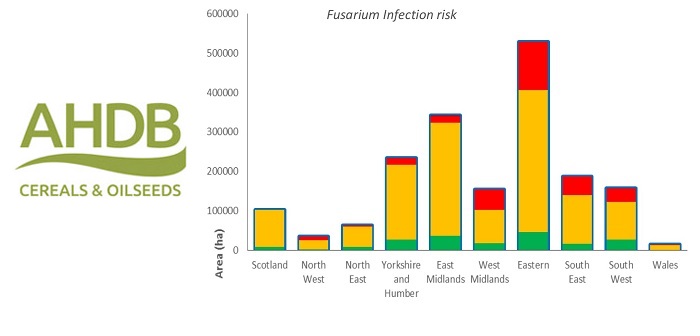
Infection of crops by fusarium species increases the risk of mycotoxins entering the food and feed chain and, according to AHBB Cereals, around 73% of the GB winter wheat area was at moderate risk during this year’s flowering period with 17% of crops at high risk of fusarium infection.

This contrasts with the relatively low fusarium infection risk reported at the same stage in 2015.

“Due to the highly local nature of infection risk, growers are being reminded to follow mycotoxin management guidelines and to calculate field-level mycotoxin risk scores for recording on the grain passport,” said AHDB Cereals, who fund the monitoring work on which the warning is based.

AHDB’s Dr Dhan Bhandari, who manages the organisation’s grain quality research, added: “Flowering started at the beginning of June, when conditions were generally settled. The weather turned during the peak flowering period, which happened from the middle to the end of June.

“This exposed relatively large areas of winter wheat to conditions which favour fusarium infection.”

The largest areas of high-risk crops were in Cambridgeshire, Kent, Norfolk, Shropshire and Staffordshire. In addition, a small proportion of crops, located in Derbyshire and Nottinghamshire, were classified as being at very high risk of fusarium infection.

AHDB added that infection risk can be mitigated to some degree by a T3 spray and that the majority of the wheat area received a well-timed spray at the start of the flowering period.

“The important thing is to record what happened on the mycotoxin risk assessment and let the results guide your management decisions,” Dr Bhandari told growers.

“As part of your harvest plan, map out the potential mycotoxin risk across your farm. Group crops with similar agronomy that have been exposed to similar amounts of rain during the critical fusarium infection and spread periods.

“Where symptoms have been spotted in crops, adjust combines to minimise the retention of light fusarium-damaged grains and chaff.

“Crucially, at every opportunity, segregate crops according to their risk score. Once mixed, your power to control grain quality can diminish significantly.

“Once safely in the shed, calculate the final risk score and record it on your grain passport.”

Growers are also advised to check end-user requirements to determine whether mycotoxin testing is required and to plan their approach to grain sampling carefully.”

Share. Facebook Twitter LinkedIn Email
Previous ArticleFarmers warned that Brexit adds volatility to agricultural markets
Next Article NFU lodges formal complaint over “fake” branding
Colin Ley

Read Similar Stories

Feed & Nutrition

Defra confirms extended organic feed derogation

January 7, 20263 Mins Read
Feed & Nutrition

Addressing misconceptions about probiotics allows poultry producers to unlock significant performance benefits

November 19, 20253 Mins Read
Feed & Nutrition

dsm-firmenich mycotoxin survey reveals escalating global risk

October 30, 20252 Mins Read
Latest News

Government rules out further inheritance tax changes

January 8, 2026

EU broiler markets take a tumble while egg prices climb

January 8, 2026

Government confirms January consultation on ending laying hen cages

January 8, 2026
Sponsored Content

Stay one step ahead of outbreaks

December 3, 2025

Can Aviance improve production and shell quality in full laying cycle?

October 1, 2025
© 2024 MA Agriculture Ltd, a Mark Allen Group company

Privacy Policy | Cookies Policy | Terms & Conditions

  • Farmers Weekly
  • AA Farmer
  • Farm Contractor
  • Pig World

Type above and press Enter to search. Press Esc to cancel.