

Poultry News
  • Production
    • Broiler Production
    • Ducks
    • Egg Production
    • Game
    • Hatching
    • Housing
    • Turkeys
  • Processing
  • Business & Politics
    • Business
    • Economics
    • EU & Politics
    • Marketing
    • People
    • Training & Education
  • Welfare
    • Environment
    • Food Safety
    • Vet & Medication
    • Welfare
  • Feed
  • Genetics
  • New Products
  • Magazines
    • February 2026
    • January 2026
    • December 2025
    • November 2025
    • October 2025
    • September 2025
    • 2025 Buildings supplement
    • August 2025
    • 2025 Poultry Health supplement
    • July 2025
    • 2025 National Egg and Poultry Awards finalists supplement
    • June 2025
    • 2025 Innovation supplement
    • May 2025
    • April 2025
    • March 2025
    • 2025 Feed and Nutrition supplement
    • February 2025
    • January 2025
    • December 2024
    • November 2024
    • October 2024
    • September 2024
    • 2024 Building for the Future supplement
    • August 2024
    • 2024 Poultry Health supplement
    • July 2024
    • 2024 National Egg and Poultry Awards finalists supplement
    • June 2024
    • 2024 Innovation supplement
    • Pig & Poultry Fair 2024
    • May 2024
    • April 2024
    • March 2024
    • February 2024
    • January 2024
    • December 2023
    • November 2023
    • Processing Equipment Supplement – Nov 2023
    • October 2023
    • Building Supplement – Sept 2023
    • September 2023
  • Jobs
    • Browse Jobs
    • Post a Job
    • Manage Jobs
  • Events
    • National Egg and Poultry Awards
    • Poultry Fair
    • Webinars
Twitter LinkedIn
  • FREE Email Newsletters
  • About Us
  • Advertise
  • Subscribe
  • Contact Us
Twitter LinkedIn
Podcast
Poultry News
  • Production
    • Broiler Production
    • Ducks
    • Egg Production
    • Game
    • Hatching
    • Housing
    • Turkeys
  • Processing
  • Business & Politics
    • Business
    • Economics
    • EU & Politics
    • Marketing
    • People
    • Training & Education
  • Welfare
    • Environment
    • Food Safety
    • Vet & Medication
    • Welfare
  • Feed
  • Genetics
  • New Products
  • Magazines
    1. February 2026
    2. January 2026
    3. December 2025
    4. November 2025
    5. October 2025
    6. September 2025
    7. 2025 Buildings supplement
    8. August 2025
    9. 2025 Poultry Health supplement
    10. July 2025
    11. 2025 National Egg and Poultry Awards finalists supplement
    12. June 2025
    13. 2025 Innovation supplement
    14. May 2025
    15. April 2025
    16. March 2025
    17. 2025 Feed and Nutrition supplement
    18. February 2025
    19. January 2025
    20. December 2024
    21. November 2024
    22. October 2024
    23. September 2024
    24. 2024 Building for the Future supplement
    25. August 2024
    26. 2024 Poultry Health supplement
    27. July 2024
    28. 2024 National Egg and Poultry Awards finalists supplement
    29. June 2024
    30. 2024 Innovation supplement
    31. Pig & Poultry Fair 2024
    32. May 2024
    33. April 2024
    34. March 2024
    35. February 2024
    36. January 2024
    37. December 2023
    38. November 2023
    39. Processing Equipment Supplement – Nov 2023
    40. October 2023
    41. Building Supplement – Sept 2023
    42. September 2023
    Featured

    Poultry Business – February 2026 issue out now

    By Chloe RyanFebruary 11, 2026
    Recent

    Poultry Business – February 2026 issue out now

    February 11, 2026

    Poultry Business – January 2026 issue out now

    January 13, 2026

    Poultry Business – December 2025 issue out now

    December 8, 2025
  • Jobs
    • Browse Jobs
    • Post a Job
    • Manage Jobs
  • Events
    • National Egg and Poultry Awards
    • Poultry Fair
    • Webinars
Twitter LinkedIn
Poultry News
Housing

EFC explains why housing change needs to take until 2036

Colin LeyBy Colin LeySeptember 7, 20163 Mins Read
Facebook Twitter LinkedIn Email
Share
Facebook Twitter LinkedIn Email

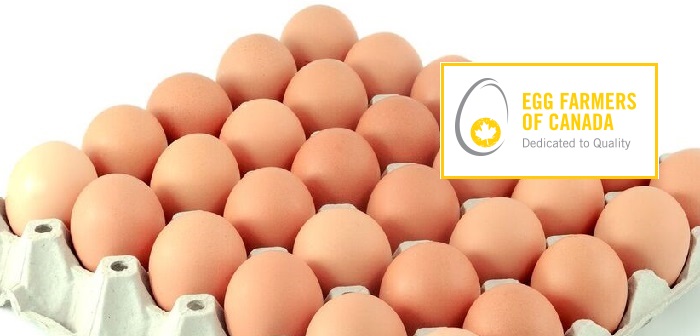
Canada’s egg producers have published a five-step explanation of why it is going to take 20 years for farmers to move way from conventional hen housing systems in favour of other methods of production for supplying eggs.

While applauded for their commitment to change, made public in February this year, Egg Farmers of Canada (EFC) has revealed that one of the most common questions posed by consumers since than concerns why the planned transition will take so long.

Now, in an attempt to justify its short reply that such a transformation is “complicated”, EFC has given its questioners five detailed reasons why 2036 was selected as the housing change completion date.

New birds

“Not all chickens are raised alike,” said EFC. “How a pullet is raised determines what kind of housing they can thrive in as they grow. Like egg farmers themselves, the upstream supply chain must adjust to align with the national shift. Transitioning to these systems requires new equipment and new rearing practices, which takes time.

New barns

“In many cases, new housing systems means new barns. This is extraordinarily expensive and requires careful planning. For an average sized farm in Canada the cost to rebuild can be close to $1 million dollars (£600,000). Obviously a barn can’t just be ripped up and replaced over the course of a few months. A fiscally sustainable transition takes time and preparation.

New equipment

“New housing means new equipment. A lot of this new equipment needs to be imported from Europe and not only is that expensive, it also takes time. A lengthy transition is needed to make sure every farmer has the equipment they need for their new mode of production.

Certainty for farmers

“In the EU, conventional hen housing systems were prohibited as of 2012, a process initiated 12 years earlier. However, a key problem with their transition was a lack of certainty around which housing systems would be allowed and which wouldn’t. Many farmers delayed building new barns because of this uncertainty. This led to underinvestment in egg production, a lower egg supply and a subsequent rise in prices. We want to avoid those problems by aiming for certainty and orderliness in our approach.

Supply and demand

“We need to ensure that the supply of eggs matches up with what consumers actually want and will pay for. For that reason, our steady, coordinated and cross-supply chain approach must be executed with the utmost respect for ensuring supply, both that there are no supply shortages and that there is no production of eggs for which there is no market.”

Access the original EFC housing change commitment

Share. Facebook Twitter LinkedIn Email
Previous ArticleVet bodies inject “jigsaw” comment into AMR debate
Next Article Salmon disease success prompts research expansion into pigs and poultry
Colin Ley

Read Similar Stories

Housing

Four areas of biosecurity to consider when building or adapting poultry houses

September 12, 20255 Mins Read
Housing

NFU survey reveals ageing UK poultry housing

September 3, 20252 Mins Read
Housing

New state-of-the-art broiler site for Hook2Sisters

September 19, 20243 Mins Read
Latest News

Oakland Farm Eggs to reopen farm in March following devastating AI outbreak

February 19, 2026

Aviagen’s Rustic Rowan breed accepted by RSPCA Assured

February 19, 2026

Comment: Respond to the cage ban consultation!

February 18, 2026
Sponsored Content

Stay one step ahead of outbreaks

December 3, 2025

Can Aviance improve production and shell quality in full laying cycle?

October 1, 2025
© 2024 MA Agriculture Ltd, a Mark Allen Group company

Privacy Policy | Cookies Policy | Terms & Conditions

  • Farmers Weekly
  • AA Farmer
  • Farm Contractor
  • Pig World

Type above and press Enter to search. Press Esc to cancel.