

Poultry News
  • Production
    • Broiler Production
    • Ducks
    • Egg Production
    • Game
    • Hatching
    • Housing
    • Turkeys
  • Processing
  • Business & Politics
    • Business
    • Economics
    • EU & Politics
    • Marketing
    • People
    • Training & Education
  • Welfare
    • Environment
    • Food Safety
    • Vet & Medication
    • Welfare
  • Feed
  • Genetics
  • New Products
  • Magazines
    • March 2026
    • 2026 Feed & Nutrition supplement
    • February 2026
    • January 2026
    • December 2025
    • November 2025
    • October 2025
    • September 2025
    • 2025 Buildings supplement
    • August 2025
    • 2025 Poultry Health supplement
    • July 2025
    • 2025 National Egg and Poultry Awards finalists supplement
    • June 2025
    • 2025 Innovation supplement
    • May 2025
    • April 2025
    • March 2025
    • 2025 Feed and Nutrition supplement
    • February 2025
    • January 2025
    • December 2024
    • November 2024
    • October 2024
    • September 2024
    • 2024 Building for the Future supplement
    • August 2024
    • 2024 Poultry Health supplement
    • July 2024
    • 2024 National Egg and Poultry Awards finalists supplement
    • June 2024
    • 2024 Innovation supplement
    • Pig & Poultry Fair 2024
    • May 2024
    • April 2024
    • March 2024
    • February 2024
    • January 2024
    • December 2023
    • November 2023
    • Processing Equipment Supplement – Nov 2023
    • October 2023
    • Building Supplement – Sept 2023
    • September 2023
  • Jobs
    • Browse Jobs
    • Post a Job
    • Manage Jobs
  • Events
    • National Egg and Poultry Awards
    • Poultry Fair
    • Webinars
Twitter LinkedIn
  • FREE Email Newsletters
  • About Us
  • Advertise
  • Subscribe
  • Contact Us
Twitter LinkedIn
Podcast
Poultry News
  • Production
    • Broiler Production
    • Ducks
    • Egg Production
    • Game
    • Hatching
    • Housing
    • Turkeys
  • Processing
  • Business & Politics
    • Business
    • Economics
    • EU & Politics
    • Marketing
    • People
    • Training & Education
  • Welfare
    • Environment
    • Food Safety
    • Vet & Medication
    • Welfare
  • Feed
  • Genetics
  • New Products
  • Magazines
    1. March 2026
    2. 2026 Feed & Nutrition supplement
    3. February 2026
    4. January 2026
    5. December 2025
    6. November 2025
    7. October 2025
    8. September 2025
    9. 2025 Buildings supplement
    10. August 2025
    11. 2025 Poultry Health supplement
    12. July 2025
    13. 2025 National Egg and Poultry Awards finalists supplement
    14. June 2025
    15. 2025 Innovation supplement
    16. May 2025
    17. April 2025
    18. March 2025
    19. 2025 Feed and Nutrition supplement
    20. February 2025
    21. January 2025
    22. December 2024
    23. November 2024
    24. October 2024
    25. September 2024
    26. 2024 Building for the Future supplement
    27. August 2024
    28. 2024 Poultry Health supplement
    29. July 2024
    30. 2024 National Egg and Poultry Awards finalists supplement
    31. June 2024
    32. 2024 Innovation supplement
    33. Pig & Poultry Fair 2024
    34. May 2024
    35. April 2024
    36. March 2024
    37. February 2024
    38. January 2024
    39. December 2023
    40. November 2023
    41. Processing Equipment Supplement – Nov 2023
    42. October 2023
    43. Building Supplement – Sept 2023
    44. September 2023
    Featured

    Poultry Business – April 2026 issue out now

    By Chloe RyanApril 7, 2026
    Recent

    Poultry Business – April 2026 issue out now

    April 7, 2026

    Poultry Business – March 2026 issue out now

    March 11, 2026

    Poultry Business – 2026 Feed & Nutrition supplement out now

    March 11, 2026
  • Jobs
    • Browse Jobs
    • Post a Job
    • Manage Jobs
  • Events
    • National Egg and Poultry Awards
    • Poultry Fair
    • Webinars
Twitter LinkedIn
Poultry News
Health & Welfare

Producers reminded to monitor red mite this autumn

Chloe RyanBy Chloe RyanNovember 5, 20212 Mins Read
Facebook Twitter LinkedIn Email
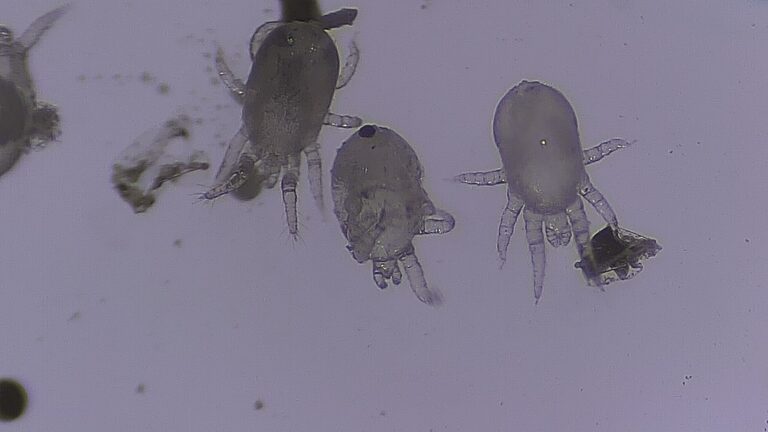
Red mite. Photo credit: MSD Animal Health
Share
Facebook Twitter LinkedIn Email

Poultry producers are being reminded that red mite monitoring should remain a priority over the winter months to reduce the threat of poor flock health and production losses.

“Generally, as the weather turns cooler, red mite activity will decline,” said Wesley Thorne, key account manager at MSD Animal Health UK.

However, this year we have experienced an unseasonably warm autumn which has potentially caused red mite populations to remain high in poultry houses later into the year than we would expect.

“Because of this, it’s crucial producers continue to routinely monitor for the pest throughout this autumn and winter to ensure red mite levels do not exceed the recommended treatment threshold,” he said

Visual assessment of mite activity can be a challenge for producers as they tend to only come out to feed when the house lights are off. To accurately monitor nocturnal mite activity, it is recommended that simple traps are strategically placed inside the shed to help quantify the threat to flocks.

“It’s possible to create your own red mite traps,” said Thorne.

“Start with simple plastic tubes that are approximately 15mm wide by 50mm long and then roll up and insert some appropriately sized corrugated cardboard into the tubes – the corrugations create the ideal environment for red mite to lay eggs.

“Place the traps along the pathway red mite will travel at night to feed on the birds. Mite will feed and then enter the cardboard traps ‘on their way home’, as it’s a more convenient location to shelter,” he said.

Producers are advised to leave these traps out for two days to provide the mites sufficient opportunity to discover them.

“After 48 hours, place the traps in individual bags prior to counting. If you find over 100 mites in one trap, this is considered a moderate infestation, whereas more than 250 mites in one trap would be classed as a high infestation which is when treatment would be recommended.

“If producers aren’t keeping an eye on red mite levels in their poultry houses, by the time an infestation is noticeable, it’s likely flock productivity and welfare will already be suffering. Unseasonably warm weather has heightened the risk of infestation this autumn, so it’s crucial to stay on top of the threat,” added Thorne.

Share. Facebook Twitter LinkedIn Email
Previous ArticleFree range egg producers call for urgent price rise
Next Article Comment: These are tough times, but demand for poultry is strong
Chloe Ryan

Editor of Poultry Business, Chloe has spent the past decade writing about the food industry from farming, through manufacturing, retail and foodservice. When not working, dog walking and reading biographies are her favourite hobbies.

Read Similar Stories

Health & Welfare

Joice and Hill uncovers case of Group B salmonella

April 16, 20263 Mins Read
Health & Welfare

Scattered insects ‘boost broiler welfare’

April 15, 20262 Mins Read
Health & Welfare

Bird flu identified at Lincs duck farm

April 13, 20262 Mins Read
Latest News

Small rise in suppliers reporting GSCoP issues

April 17, 2026

Joice and Hill uncovers case of Group B salmonella

April 16, 2026

NFU urges backing for farming in local elections

April 15, 2026
Sponsored Content

Address beta-mannans in broiler diets to optimise bird health and performance

April 1, 2026

Stay one step ahead of outbreaks

December 3, 2025
© 2024 MA Agriculture Ltd, a Mark Allen Group company

Privacy Policy | Cookies Policy | Terms & Conditions

  • Farmers Weekly
  • AA Farmer
  • Farm Contractor
  • Pig World

Type above and press Enter to search. Press Esc to cancel.