


Farming and food industry bodies have raised concerns about the practical and economic implications of the Government’s newly published Animal Welfare Strategy, warning that some proposals could undermine UK producers and lead to increased imports produced to lower welfare standards.
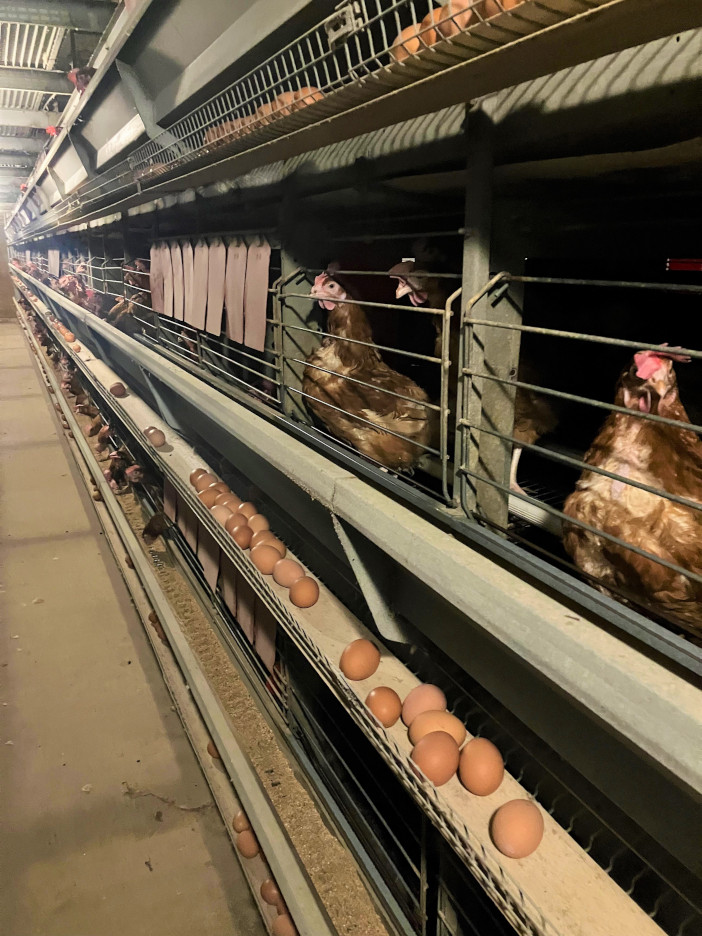
The strategy sets out the Government’s priorities for animal welfare reform in England by 2030, including plans to consult on phasing out enriched colony cages for laying hens, ending the use of farrowing crates for sows, promoting slower-growing chicken breeds and tightening welfare standards at slaughter.
The British Egg Industry Council (BEIC) said it was “extremely concerned” by the proposal to consult on a formal ban on enriched colony cages, arguing that it risks displacing UK production rather than improving welfare overall.
In a statement, the BEIC said: “Rather than reducing consumption of caged eggs, it risks simply exporting food production overseas, significantly raising the number of imports produced to lower welfare standards.”
The BEIC pointed out that while the production of eggs from battery cages has been banned in the UK since 2012, imports of eggs from caged systems remain legal, including in processed foods. “For any UK ban to be effective, the Government would also need to prohibit imports of eggs from caged systems, including in prepared foods, which cannot be enforced,” it said.
The BEIC also warned that increased regulation could push up prices and reduce access to eggs for consumers, describing eggs as “an affordable, highly nutritious, and natural food”. It said it would continue to work with Government to protect both hen welfare and the viability of British egg producers.
Concerns were also voiced by the abattoir sector. Tony Goodger, speaking for AIMS, the industry body representing abattoirs, said the organisation would study the strategy in detail but criticised it for failing to address what it sees as a growing threat to animal welfare from extremist activity. “We are very concerned that the strategy fails to address one of the main threats to animal welfare faced by farmers, hauliers, and abattoirs, namely the activities of ideologically driven extremists,” he said.
AIMS said such actions can cause severe stress, injury and, in some cases, death to animals, and urged the Government to take stronger action to protect livestock farming and processing.
Animal welfare organisations, however, have welcomed the strategy’s direction of travel. Compassion in World Farming said the Government’s commitment to ending cages for laying hens and farrowing crates for sows represented a significant opportunity to improve welfare standards for farmed animals.
Dr Tracey Jones, Global Director of Food Business at Compassion in World Farming, said: “The Government’s new Animal Welfare Strategy, with its commitment to ending cages for laying hens and sows, presents a rare and powerful opportunity to advance the welfare of farmed animals.”
She added that the success of the strategy would depend on the pace of consultation and the setting of clear minimum standards.
CIWF also welcomed plans to promote slower-growing broiler breeds and to address welfare concerns around pig stunning and the slaughter of farmed fish, but said it was disappointed that mandatory method-of-production labelling was not included in the strategy.
The Government has said it will work with industry, welfare groups and other stakeholders to deliver the Animal Welfare Strategy by the end of 2030, with further consultations and legislation expected to follow.