


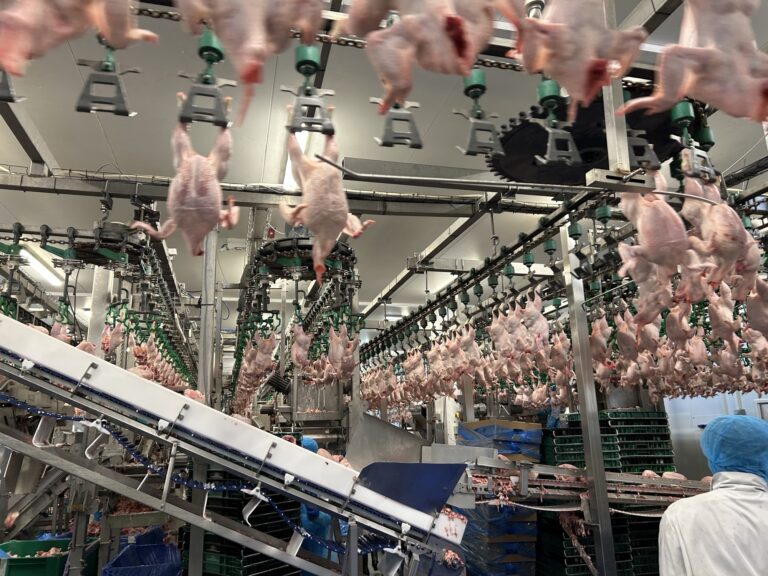
Gafoor Pure Halal Ltd has delivered a robust set of financial results for the year ended 30 November 2024, with the Lancashire-based poultry processor reporting strong increases in turnover and profitability, according to its newly filed annual report.
The independently owned family business has specialised for over 60 years in the farming, processing and distribution of Red Tractor certified and Halal certified poultry.
Turnover rose sharply to £178.28 million, up from £140.18 million the previous year, a 27% increase, attributed to a more diverse customer base, higher production volumes and better yields following investments in new equipment.
Gross profit climbed from 10% to 12%, with gross profit rising to £21.40 million. Operating profit more than doubled to £6.97 million, compared with £3.32 million the year before. After tax of just over £1.02 million, the company recorded a profit for the financial year of £5.96 million, up from £3.04 million.
The company also increased its number of employees during the year, a move the company described as both “pleasing” and indicative of its growing value to the local community. The business emphasised its continuing commitment to staff welfare and environmental improvements.
The report stated the company is “pleased with the results” and remains confident that “further growth and profitability can be achieved” in the years ahead.
The company highlighted significant R&D investment in 2024, including projects aimed at improving manufacturing efficiency and reducing waste. Key initiatives included intelligent cubing using hydrodynamic machine learning; x-ray leg deboning technology; high-efficiency scalding tank enhancements; and advanced live bird handling systems.
These initiatives required extensive capital expenditure and staff involvement, but are expected to drive long-term operational gains.
Looking ahead, the company plans further investment in enhanced vacuum tumbling for shelf-life extension and continued improvement of high-efficiency scalding systems, aimed at boosting throughput, product quality and overall efficiency.
The report acknowledges several risks facing the poultry sector, including volatile live bird prices, feed cost inflation, animal welfare regulations, disease outbreaks such as avian influenza, and high energy and packaging costs. The Ukraine conflict has also contributed to rising feed and energy expenses.
Aggressive imports from Europe have intensified competition, putting downward pressure on prices. These challenges, the director noted, make forward planning difficult and pose potential risks to margins.