

Poultry News
  • Production
    • Broiler Production
    • Ducks
    • Egg Production
    • Game
    • Hatching
    • Housing
    • Turkeys
  • Processing
  • Business & Politics
    • Business
    • Economics
    • EU & Politics
    • Marketing
    • People
    • Training & Education
  • Welfare
    • Environment
    • Food Safety
    • Vet & Medication
    • Welfare
  • Feed
  • Genetics
  • New Products
  • Magazines
    • May 2026
    • March 2026
    • 2026 Feed & Nutrition supplement
    • February 2026
    • January 2026
    • December 2025
    • November 2025
    • October 2025
    • September 2025
    • 2025 Buildings supplement
    • August 2025
    • 2025 Poultry Health supplement
    • July 2025
    • 2025 National Egg and Poultry Awards finalists supplement
    • June 2025
    • 2025 Innovation supplement
    • May 2025
    • April 2025
    • March 2025
    • 2025 Feed and Nutrition supplement
    • February 2025
    • January 2025
    • December 2024
    • November 2024
    • October 2024
    • September 2024
    • 2024 Building for the Future supplement
    • August 2024
    • 2024 Poultry Health supplement
    • July 2024
    • 2024 National Egg and Poultry Awards finalists supplement
    • June 2024
    • 2024 Innovation supplement
    • Pig & Poultry Fair 2024
    • May 2024
    • April 2024
    • March 2024
    • February 2024
    • January 2024
    • December 2023
    • November 2023
    • Processing Equipment Supplement – Nov 2023
    • October 2023
    • Building Supplement – Sept 2023
    • September 2023
  • Jobs
    • Browse Jobs
    • Post a Job
    • Manage Jobs
  • Events
    • National Egg and Poultry Awards
    • Poultry Fair
    • Webinars
Twitter LinkedIn
  • FREE Email Newsletters
  • About Us
  • Advertise
  • Subscribe
  • Contact Us
Twitter LinkedIn
Podcast
Poultry News
  • Production
    • Broiler Production
    • Ducks
    • Egg Production
    • Game
    • Hatching
    • Housing
    • Turkeys
  • Processing
  • Business & Politics
    • Business
    • Economics
    • EU & Politics
    • Marketing
    • People
    • Training & Education
  • Welfare
    • Environment
    • Food Safety
    • Vet & Medication
    • Welfare
  • Feed
  • Genetics
  • New Products
  • Magazines
    1. May 2026
    2. March 2026
    3. 2026 Feed & Nutrition supplement
    4. February 2026
    5. January 2026
    6. December 2025
    7. November 2025
    8. October 2025
    9. September 2025
    10. 2025 Buildings supplement
    11. August 2025
    12. 2025 Poultry Health supplement
    13. July 2025
    14. 2025 National Egg and Poultry Awards finalists supplement
    15. June 2025
    16. 2025 Innovation supplement
    17. May 2025
    18. April 2025
    19. March 2025
    20. 2025 Feed and Nutrition supplement
    21. February 2025
    22. January 2025
    23. December 2024
    24. November 2024
    25. October 2024
    26. September 2024
    27. 2024 Building for the Future supplement
    28. August 2024
    29. 2024 Poultry Health supplement
    30. July 2024
    31. 2024 National Egg and Poultry Awards finalists supplement
    32. June 2024
    33. 2024 Innovation supplement
    34. Pig & Poultry Fair 2024
    35. May 2024
    36. April 2024
    37. March 2024
    38. February 2024
    39. January 2024
    40. December 2023
    41. November 2023
    42. Processing Equipment Supplement – Nov 2023
    43. October 2023
    44. Building Supplement – Sept 2023
    45. September 2023
    Featured

    Poultry Business – May 2026 issue out now

    By Chloe RyanMay 6, 2026
    Recent

    Poultry Business – May 2026 issue out now

    May 6, 2026

    Poultry Business – April 2026 issue out now

    April 7, 2026

    Poultry Business – March 2026 issue out now

    March 11, 2026
  • Jobs
    • Browse Jobs
    • Post a Job
    • Manage Jobs
  • Events
    • National Egg and Poultry Awards
    • Poultry Fair
    • Webinars
Twitter LinkedIn
Poultry News
Business & Politics

A new poultry litter solution

Chloe RyanBy Chloe RyanAugust 29, 20234 Mins Read
Facebook Twitter LinkedIn Email
Share
Facebook Twitter LinkedIn Email

Pollution of the River Wye has gained national attention, with poultry farms in the firing line. Now a new firm is claiming it can help solve the problem of what to do with poultry litter.

Algal blooms in the River Wye are causing wildlife to die and the quality of the water to deteriorate. The causes are multiple, but they include run off from farm land in the catchment, which has been fertilised with poultry litter that come from the hundreds of poultry farms in the area.

Avara Foods last month announced all of its poultry litter would now be exported from the catchment for use elsewhere. It has partnered with Gamber, which will ensure none of it ends up on farmland in the Wye catchment.

But other poultry producers may be able to take advantage of another solution being developed by a new company called Onnu.

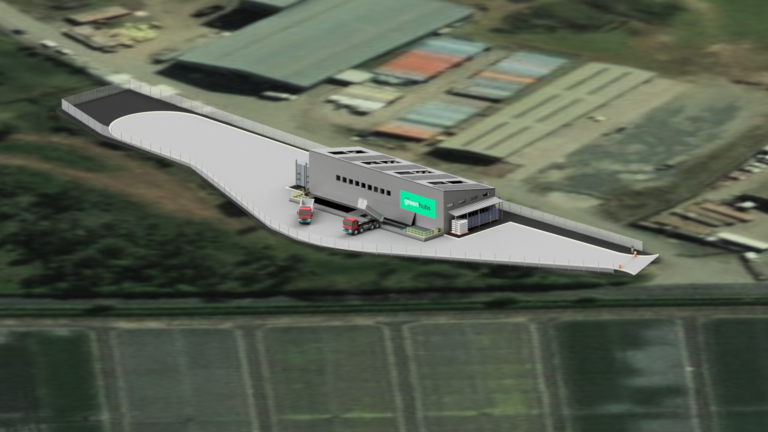
Onnu, which describes itself as a ‘greentech’ company, is in the process of buying land in Herefordshire. It is planning to build a ‘pyrolysis-based hub’, in which to process poultry litter.

So far it has not obtained the relevant planning permissions, but the company says it is acquiring a disused industrial plot in Herefordshire which is adjacent to a number of other light-industrial businesses. The proposed hub will be completed by next April and is the size of a typical barn, being two stories tall and approximately 20 by 40 metres with a facility for feedstock storage.

Pyrolysis is a process in which biomass is heated without oxygen, and it can transform poultry litter into a solid biochar which has several applications. According to Onnu, when used as a fertiliser, phosphorous is locked into the biochar preventing the run-off that has caused so much damage in the Wye Valley.

“Our hubs are far less intrusive than alternative forms of litter treatment – they will be sited close to poultry farms to minimise transport costs and traffic disruption; and, as they are sealed systems, emissions will be negligible,” said Michael Douglas, Onnu’s director of projects. “In fact, the only impact our hubs will have on the local environment will be to enhance the quality of our river systems, and combat climate change.”

The claims are certainly big, and are matched in scale by Onnu’s ambitions. It says it wants 16 of the hubs to be built in the area eventually.

What is pyrolysis?

Pyrolysis – the combustion of organic matter in the absence of oxygen – transforms poultry waste into biochar, a stable, slow-release fertiliser that can be spread safely on farmland without causing run-off.

“We are being asked to choose between a unique ecosystem in an area of outstanding natural beauty and an industry that contributes a billion pounds to the River Wye,” said Giles Welch, the entrepreneur behind Greentech firm Onnu. “Why shouldn’t we aspire to have both? The net result of pyrolysis is a win-win: it’s great for the poultry farmer – and a huge positive for the environment.”

Pyrolysis is a self-sustaining process that uses the energy in the poultry litter to dry it and heat the resulting feedstock until it decomposes into biochar. The process also locks all the carbon contained in the poultry litter into the biochar: this therefore serves as a carbon sink and qualifies for carbon credits. In most cases, more energy is created than is needed for the pyrolysis process: this surplus can then be provided as a green energy source to decarbonise other business operations.

Biochar produced from poultry litter is only 5% of the weight of the original, greatly reducing requirements for storage, transportation, and land application. As with fertiliser derived from poultry litter, biochar delivers key nutrients (including phosphorus) to the soil, but the release is slower, eliminating the threat of run-off and ecological damage.

“The poultry litter has to end up somewhere other than in our rivers so, for the farmer, pyrolysis makes a virtue of a necessity,” explained Welch. “The phosphorous is captured in a solid biochar that can safely be spread on land without causing run-off or emitting greenhouse gases like nitrous oxide. The biochar also captures carbon that would otherwise be released into the atmosphere.”

Share. Facebook Twitter LinkedIn Email
Previous ArticlePoultry shows and gatherings can resume after Defra lifts ban
Next Article Comment: We must educate the public about poultry production
Chloe Ryan

Editor of Poultry Business, Chloe has spent the past decade writing about the food industry from farming, through manufacturing, retail and foodservice. When not working, dog walking and reading biographies are her favourite hobbies.

Read Similar Stories

Business

Poultry producers hit by planning delays as SES criticised over NI approval backlog

May 8, 20262 Mins Read
Business & Politics

Comment: Letter from Warsaw

May 5, 20263 Mins Read
Business & Politics

Analysis: What the Iran conflict means for energy prices

May 5, 20268 Mins Read
Latest News

New commercial broiler trial into ammonia abatement

May 8, 2026

Poultry producers hit by planning delays as SES criticised over NI approval backlog

May 8, 2026

Comment: Good stock people are at the heart of every farm

May 7, 2026
Sponsored Content

Take Control of Your Farm’s Biosecurity with Livetec

May 1, 2026

Address beta-mannans in broiler diets to optimise bird health and performance

April 1, 2026
© 2024 MA Agriculture Ltd, a Mark Allen Group company

Privacy Policy | Cookies Policy | Terms & Conditions

  • Farmers Weekly
  • AA Farmer
  • Farm Contractor
  • Pig World

Type above and press Enter to search. Press Esc to cancel.