

Poultry News
  • Production
    • Broiler Production
    • Ducks
    • Egg Production
    • Game
    • Hatching
    • Housing
    • Turkeys
  • Processing
  • Business & Politics
    • Business
    • Economics
    • EU & Politics
    • Marketing
    • People
    • Training & Education
  • Welfare
    • Environment
    • Food Safety
    • Vet & Medication
    • Welfare
  • Feed
  • Genetics
  • New Products
  • Magazines
    • February 2026
    • January 2026
    • December 2025
    • November 2025
    • October 2025
    • September 2025
    • 2025 Buildings supplement
    • August 2025
    • 2025 Poultry Health supplement
    • July 2025
    • 2025 National Egg and Poultry Awards finalists supplement
    • June 2025
    • 2025 Innovation supplement
    • May 2025
    • April 2025
    • March 2025
    • 2025 Feed and Nutrition supplement
    • February 2025
    • January 2025
    • December 2024
    • November 2024
    • October 2024
    • September 2024
    • 2024 Building for the Future supplement
    • August 2024
    • 2024 Poultry Health supplement
    • July 2024
    • 2024 National Egg and Poultry Awards finalists supplement
    • June 2024
    • 2024 Innovation supplement
    • Pig & Poultry Fair 2024
    • May 2024
    • April 2024
    • March 2024
    • February 2024
    • January 2024
    • December 2023
    • November 2023
    • Processing Equipment Supplement – Nov 2023
    • October 2023
    • Building Supplement – Sept 2023
    • September 2023
  • Jobs
    • Browse Jobs
    • Post a Job
    • Manage Jobs
  • Events
    • National Egg and Poultry Awards
    • Poultry Fair
    • Webinars
Twitter LinkedIn
  • FREE Email Newsletters
  • About Us
  • Advertise
  • Subscribe
  • Contact Us
Twitter LinkedIn
Podcast
Poultry News
  • Production
    • Broiler Production
    • Ducks
    • Egg Production
    • Game
    • Hatching
    • Housing
    • Turkeys
  • Processing
  • Business & Politics
    • Business
    • Economics
    • EU & Politics
    • Marketing
    • People
    • Training & Education
  • Welfare
    • Environment
    • Food Safety
    • Vet & Medication
    • Welfare
  • Feed
  • Genetics
  • New Products
  • Magazines
    1. February 2026
    2. January 2026
    3. December 2025
    4. November 2025
    5. October 2025
    6. September 2025
    7. 2025 Buildings supplement
    8. August 2025
    9. 2025 Poultry Health supplement
    10. July 2025
    11. 2025 National Egg and Poultry Awards finalists supplement
    12. June 2025
    13. 2025 Innovation supplement
    14. May 2025
    15. April 2025
    16. March 2025
    17. 2025 Feed and Nutrition supplement
    18. February 2025
    19. January 2025
    20. December 2024
    21. November 2024
    22. October 2024
    23. September 2024
    24. 2024 Building for the Future supplement
    25. August 2024
    26. 2024 Poultry Health supplement
    27. July 2024
    28. 2024 National Egg and Poultry Awards finalists supplement
    29. June 2024
    30. 2024 Innovation supplement
    31. Pig & Poultry Fair 2024
    32. May 2024
    33. April 2024
    34. March 2024
    35. February 2024
    36. January 2024
    37. December 2023
    38. November 2023
    39. Processing Equipment Supplement – Nov 2023
    40. October 2023
    41. Building Supplement – Sept 2023
    42. September 2023
    Featured

    Poultry Business – February 2026 issue out now

    By Chloe RyanFebruary 11, 2026
    Recent

    Poultry Business – February 2026 issue out now

    February 11, 2026

    Poultry Business – January 2026 issue out now

    January 13, 2026

    Poultry Business – December 2025 issue out now

    December 8, 2025
  • Jobs
    • Browse Jobs
    • Post a Job
    • Manage Jobs
  • Events
    • National Egg and Poultry Awards
    • Poultry Fair
    • Webinars
Twitter LinkedIn
Poultry News
Business & Politics

New rules extend marketing standards for free range eggs hit by avian flu restrictions

Chloe RyanBy Chloe RyanNovember 23, 20173 Mins Read
Facebook Twitter LinkedIn Email
Share
Facebook Twitter LinkedIn Email
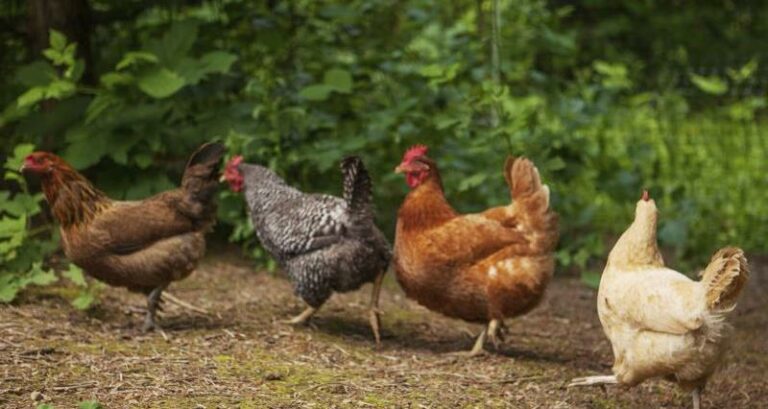
Producers of free range eggs will be allowed to continue to market their products as such even if their hens have restricted access to open-air runs because of influenza outbreaks following further changes to EU egg marketing standards.
An initial amendment to the EU-wide standard from September 2017 allowed egg producers to continue to market their products as free range even if their hens had no open-air access for up to 12 weeks. The latest change, which comes into force on 25 November 2017, will extend this period to 16 weeks.
The changes to the rules come as a direct response from the European Commission to concerns raised by EU hen farmers about the potential economic losses for free range farms. EU-wide veterinary restrictions require hens to be kept indoors in order to stop the spread of avian flu, but this is directly at odds with EU rules on free range eggs which state that laying hens must have continuous daytime access to open-air runs.
The marketing standards already allowed eggs to be labelled as free range even if birds were kept indoors as a result of EU-wide measures, but the 12 week derogation was considered too short in the face of the prolonged nature of the influenza outbreak across the EU in 2016. This meant that eggs normally marketed as free range had to be sold as ‘barn eggs’ if the hens were kept indoors for more than 12 weeks, leading to economic losses for farmers.
With the likelihood of further prolonged outbreaks of avian influenza in the future, and following discussions with member state authorities and industry stakeholders, the decision was taken to extended the period from 12 to 16 weeks.
The new rules also clarify that this derogation applies at the level of flocks (rather than regions or farms). This allows farms having introduced new flocks during the restriction period to benefit from the full derogation; eggs from each individual flock on the same farm can be labelled as free-range for the full 16-week period if open air access is restricted, regardless of when they were established.
There are currently around 390 million hens in the EU, of which around 54 million (14%) are kept in free range systems (14%). Free range eggs are particularly important in the UK (53% of eggs sold there), Ireland (40%), Austria (21%), France (18%), Germany (18%) and the Netherlands (15%). In terms of flock size, the UK has the biggest share of free range hens (41%), followed by Germany (17%), France (16%) and the Netherlands (10%).
The avian flu restrictions imposed in 2016/17 had a particularly severe impact in Germany, the Netherlands, the UK, Belgium, France and Ireland.
Share. Facebook Twitter LinkedIn Email
Previous ArticleMuted response to Hammond’s budget focussing on urban priorities
Next Article UK food and drink exports grow 15% to £5.9bn in third quarter of 2017
Chloe Ryan

Editor of Poultry Business, Chloe has spent the past decade writing about the food industry from farming, through manufacturing, retail and foodservice. When not working, dog walking and reading biographies are her favourite hobbies.

Read Similar Stories

Business & Politics

Comment: People make this industry so special

February 12, 20262 Mins Read
Business & Politics

KFC to spend £100m a year sourcing wings from British farmers

February 11, 20262 Mins Read
Business & Politics

Comment: Hasn’t China taken enough of our market?

February 9, 20263 Mins Read
Latest News

Comment: People make this industry so special

February 12, 2026

Comment: Winter puts real pressure on chick quality

February 12, 2026

Poultry Business – February 2026 issue out now

February 11, 2026
Sponsored Content

Stay one step ahead of outbreaks

December 3, 2025

Can Aviance improve production and shell quality in full laying cycle?

October 1, 2025
© 2024 MA Agriculture Ltd, a Mark Allen Group company

Privacy Policy | Cookies Policy | Terms & Conditions

  • Farmers Weekly
  • AA Farmer
  • Farm Contractor
  • Pig World

Type above and press Enter to search. Press Esc to cancel.